


The Ohio buckeye (Aesculus glabra) is a beloved native tree of the Midwestern United States, celebrated for its showy spring flowers, distinctive palmate leaves, and glossy brown nuts. As the state tree of Ohio, it holds cultural significance and provides valuable shade in parks and large landscapes.
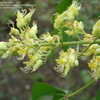
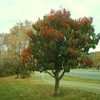
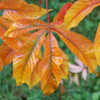
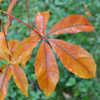
In spring, the tree produces upright clusters of creamy yellow-green flowers that attract pollinators. The foliage emerges bright green, maturing to a deep green in summer, and turns a striking pumpkin-orange in autumn. The nuts, encased in a spiny husk, ripen in fall and are a favorite of wildlife, though they are toxic to humans if eaten raw.
| Family: | Sapindaceae (sap-in-DAY-see-ee) |
| Genus: | Aesculus (ES-kew-lus) |
| Species: | glabra (GLAY-bruh) |
| Synonyms: | Aesculus glabra var. leucodermis, Aesculus glabra var. micrantha, Aesculus glabra var. monticola, Aesculus glabra var. pallida, Aesculus glabra var. sargentii |
Ohio buckeye prefers moist, well-drained soils and thrives in full sun to partial shade. It is adaptable to a range of soil pH but does best in slightly acidic conditions. The tree grows 20-40 feet tall with a rounded canopy, making it an excellent shade tree for large yards. It is relatively low-maintenance but can be susceptible to leaf blotch and powdery mildew in humid conditions.
Whether planted for its ornamental value, wildlife benefits, or state pride, the Ohio buckeye is a magnificent addition to any landscape where it has room to spread its branches.
Winterizing Roses in Cincinnati: A Step-by-Step Guide
Identifying the Buckeye Tree: Nuts, Leaves, and Key Characteristics
Pruning Fruit Trees in Southeast Ohio
Identifying Lantana: A Colorful Annual for Cool Climates
Hibiscus in Western Ohio: Tropical vs. Hardy — Know Which You Have
First-Time Tomato Growing in Ohio: Pollination, Watering, and Fertilizing
Peony 'Buckeye Belle': Velvety Dark Red Blooms for Spring Gardens
Steep, Sunny, Shale Hillside: No-Mow Planting Plan
Finding Buyers for Bur Oak Timber in Northeast Ohio
Lavender and Basil Care in Northeast Ohio
Cold-Hardy Bamboo Species for Ohio Gardens
Growing Lady's Mantle in Ohio: A Step-by-Step Guide
Bottlebrush Buckeye (Aesculus parviflora): Identification and Seed Planting
Copyright © www.100flowers.win Botanic Garden All Rights Reserved