


The Arizona ash, also known as velvet ash, Modesto ash, desert ash, leatherleaf ash, smooth ash, Toumey ash, or Fresno ash, is a resilient deciduous tree native to the southwestern United States and northern Mexico. Beloved for its fast growth, dense shade, and adaptability to arid climates, it has become a staple in urban and residential landscapes across the desert Southwest.
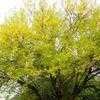
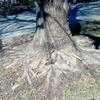
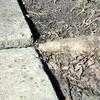
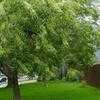
Arizona ash typically reaches 30–50 feet tall with a broad, rounded canopy that provides excellent shade. Its compound leaves are velvety to the touch, especially when young, giving rise to the common name "velvet ash." In spring, inconspicuous flowers appear before the leaves, followed by clusters of winged seeds (samaras) that mature in late summer. The bark is gray-brown and becomes furrowed with age.
This tree thrives in full sun and tolerates a wide range of soils, including alkaline, clay, and sandy substrates. Once established, it is remarkably drought-tolerant, though occasional deep watering during extreme heat improves vigor. It is hardy in USDA zones 7–10 and can withstand temperatures as low as 0°F (-18°C).
Arizona ash is widely planted as a street tree, park specimen, and shade tree for patios and lawns. Its rapid growth makes it a popular choice for new developments where quick canopy cover is desired. However, its relatively weak wood and susceptibility to pests such as ash borers and diseases like ash decline mean it may have a shorter lifespan than slower-growing hardwoods.
Regular pruning when young helps develop a strong branch structure and reduces the risk of limb breakage in storms. Monitor for signs of borer infestation (D-shaped exit holes, canopy dieback) and consult an arborist for treatment options. Fall cleanup of seeds and leaves can reduce litter.
Tropical Hibiscus 'Velvet Illusion' – 2006 Black Hybrid
Tropical Hibiscus 'Desert Lightning': Striking Blooms from a 2010 Stollings Hybrid
Desert Spoon (Dasylirion wheeleri): A Striking Blue Sotol for Arid Landscapes
Desert Rose 'Tropic Sun' (Adenium obesum 'Tropic Sun'): A Floriferous Caudiciform
Fairy-ring Agave (Agave toumeyana var. bella)
Leatherleaf Sedge 'Red Rooster' (Carex buchananii): Upright Bronze-Red Foliage
Copyright © www.100flowers.win Botanic Garden All Rights Reserved