


Manuka, also called New Zealand Tea Tree or Tea Bush, is a iconic shrub or small tree native to New Zealand and southeastern Australia. Famous worldwide for its medicinal honey, Leptospermum scoparium has been used for centuries by Māori for its therapeutic properties and has become a significant commercial crop.
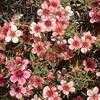
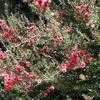
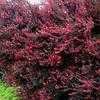
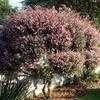
Manuka typically grows as a dense, bushy shrub 6-15 feet tall, though it can reach 30 feet as a small tree in favorable conditions. Its small, prickly, aromatic leaves release a distinctive scent when crushed. From spring through summer, the plant is covered in a profusion of five-petaled flowers—typically white, but ranging to pink and red in cultivars—creating a spectacular display that attracts bees and other pollinators.
| Family: | Myrtaceae (mir-TAY-see-ee) |
| Genus: | Leptospermum (lep-toh-SPER-mum) |
| Species: | scoparium (sko-PAIR-ee-um) |
| Synonym: | Kunzea scoparium |
Manuka's global fame stems from its honey, which possesses unique antibacterial properties attributed to methylglyoxal (MGO). The higher the MGO rating, the more potent the honey's therapeutic effects. Beyond honey, Manuka essential oil—extracted from leaves and twigs—is valued for antimicrobial, anti-inflammatory, and wound-healing properties.
In cultivation, Manuka prefers full sun and well-drained, slightly acidic soil. It's drought-tolerant once established and handles coastal conditions well. Numerous ornamental cultivars have been selected for flower color, double flowers, and compact growth habits, making it popular in gardens beyond its native range. The wood is hard and durable, traditionally used for tool handles and firewood.
Empress Tree (Paulownia tomentosa)
Franklin Tree (Franklinia alatamaha)
Maidenhair Tree (Ginkgo biloba): The Living Fossil with Unique Fan-Shaped Leaves
Bottlebrush Tree (Callistemon rigidus): An Australian Native with Stiff, Red Brush-Like Flowers
Katsura Tree (Cercidiphyllum japonicum)
Fern Tree (Filicium decipiens): Graceful Shade for Tropics
Soft New Guinea Tree Fern (Cyathea tomentosissima): Rare, Woolly Tree Fern for Collectors
Hybrid Tea/Florist Rose 'New Day': Cultivar Profile
Sausage Tree: Africa's Bizarre & Beautiful Kigelia
Tamarind Tree: Tropical Pantry Staple & Majestic Shade Tree
Elephant Tree: The Bizarre, Bottle-Trunked Bursera of Deserts
Silver Tree: The Shimmering Protea of South Africa
Neem Tree (Azadirachta indica): Miracle Tree of the Tropics
Orchid Tree (Bauhinia monandra): Butterfly Leaves and Pink Flowers
Copyright © www.100flowers.win Botanic Garden All Rights Reserved