


Dating to 1819 (with roots far older), 'Autumn Damask' (also Alexandrian Rose, Bifera, Rose des Quatre Saisons, Four Seasons Rose, Old Castilian) is the legendary Damask that broke the once-blooming barrier. A sport of the ancient summer Damask (Rosa × damascena), it possesses the remarkable ability to bloom again in autumn—hence its many names referencing four seasons. This trait, passed to countless descendants, revolutionized rose breeding.
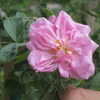
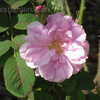
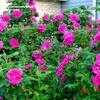
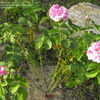
The flowers are medium (3 to 4 inches), very double, quartered, and a clear, rich pink with the intense, classic Damask fragrance—arguably the finest perfume in the rose world, the source of commercial attar of roses. The plant forms a dense, suckering shrub 4 to 6 feet tall with grey-green, downy foliage and numerous prickles. It blooms heavily in early summer, then produces a lighter but welcome second flush in autumn.
Extraordinarily hardy (zone 3), disease-resistant, and tolerant of poor soils, 'Autumn Damask' is a survivor. Its historical significance cannot be overstated: without this rose, the entire lineage of repeat-flowering modern roses—Hybrid Perpetuals, Hybrid Teas, Floribundas, English Roses—might not exist. For historical gardens and fragrance lovers, it is an essential living artifact.
| Family: | Rosaceae (ro-ZAY-see-ee) |
| Genus: | Rosa (RO-zuh) |
| Cultivar: | Autumn Damask |
| Additional cultivar information: | (aka Alexandrian Rose, Bifera, Rose des Quatre Saisons, Four Seasons Rose, Old Castilian) |
| Registered or introduced: | 1819 |
| Synonym: | Rosa damascena var. bifera |
| Synonym: | Rosa damascena var. semperflorens |
| Synonym: | Rosa x damascena |
Copyright © www.100flowers.win Botanic Garden All Rights Reserved