


Family: Asteraceae (ass-ter-AY-see-ee)
Genus: Balsamita (bal-SAM-it-uh) / Tanacetum
Species: major (MAY-jor) / balsamita
Synonyms: Balsamita vulgaris, Chrysanthemum balsamita, Chrysanthemum majus, Tanacetum balsamita
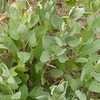
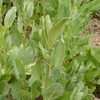
Costmary is a clump-forming perennial growing 2–3 feet tall with aromatic, gray-green, lance-shaped leaves that have a distinct minty-balsam fragrance. Small, yellow, button-like flowers appear in loose clusters atop tall stems in late summer. The plant spreads slowly by rhizomes.
Thrives in full sun to partial shade with average, well-drained soil. Drought tolerant once established. Hardy in zones 4–8. Divide clumps every 3–4 years in spring. Can be aggressive in ideal conditions; site accordingly or contain.
Known as "Bible Leaf" because the large, fragrant leaves were used as bookmarks in Bibles and prayer books, releasing scent during long services. Also called "Alecost" for its use flavoring ale before hops dominated. A staple in medieval monastery and kitchen gardens.
Leaves flavor teas, cold drinks, salads, and poultry stuffing. Dried leaves retain fragrance for potpourri and sachets. Traditional medicinal uses include digestive aid, menstrual relief, and wound wash. The essential oil has antimicrobial properties.
Salvia dorrii: Desert Sage with Purple Flowers and Silver Foliage
Heartleaf Ice Plant (Aptenia cordifolia)
Diamond Leaf Oak (Quercus laurifolia): Semi-Evergreen Southern Oak
Ruby Leaf (Alternanthera brasiliana): Colorful Foliage for Tropical Borders
Tennessee Ostrich Fern / Glade Fern (Diplazium pycnocarpon): Narrow, Elegant Fern for Rich Woods
Horseradish (Armoracia rusticana): Pungent Root for Sauce and Medicine
Agastache 'Pink Pop' (Agastache austromontana 'Pink Pop'): Compact Hummingbird Mint
Ground Orchid (Spathoglottis plicata): Tropical Terrestrial Orchid
American Beautyberry (Callicarpa americana): Native Shrub with Electric Purple Berries
Lesser Calamint (Calamintha nepeta): Cloud of Tiny White Flowers for Pollinator Gardens
Scented Geranium (Pelargonium graveolens): Fragrant Foliage Plant
Salad Burnet (Sanguisorba minor): Cucumber-Flavored Perennial
Telegraph Plant (Desmodium gyrans): Leaf-Moving Curiosity
Eastern Sweetshrub (Calycanthus floridus var. glaucus): Fragrant Native Shrub
Copyright © www.100flowers.win Botanic Garden All Rights Reserved