


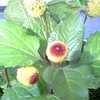
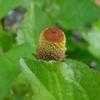
Toothache plant (Acmella oleracea), also called para cress or eyeball plant, is a tender annual/perennial native to Brazil. Its claim to fame: chewing the flower heads produces a strong tingling, numbing sensation in the mouth (due to spilanthol), traditionally used to relieve toothache. The yellow-and-red "eyeball" flowers are also strikingly ornamental.
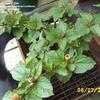
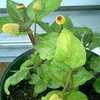
Low, spreading plant 20–40 cm tall. Leaves are ovate, toothed, 3–6 cm long. Flowers are cone-shaped, 1–2 cm tall, with a yellow base and a bright red "pupil" at the apex—resembling an eyeball. Blooms continuously from early summer to frost.
| Family: | Asteraceae (ass-ter-AY-see-ee) |
| Genus: | Acmella (ak-MEL-uh) |
| Species: | oleracea (awl-lur-RAY-see-uh) |
| Synonyms: | Spilanthes oleracea, S. acmella, S. ocymifolia |
Culinary: Leaves in salads (small amounts); flower buds for "buzz buttons" in cocktails. Medicinal: Traditional anesthetic for toothache, gum disease; antimicrobial. Ornamental: Containers, borders, conversation piece.
Easy from seed sown after frost; also from cuttings. Self-sows in warm climates.
Monkey Hand Tree (Chiranthodendron pentadactylon): The Devil's Hand
Beefsteak Plant 'Magilla' (Perilla 'Magilla'): Vibrant Foliage for Shade
Curry Plant (Helichrysum italicum): Silver Foliage with Curry Scent
Vicks Plant (Plectranthus cylindraceus): Succulent Herb with Menthol Fragrance
Moses-in-a-Basket (Tradescantia spathacea): Colorful Boat-Shaped Leaves
Chiranthodendron pentadactylon: The Bizarre Monkey Hand Tree
Care Guide for Dracaena reflexa 'Song of India'
ZZ Plant (Zamioculcas zamiifolia): The Near-Indestructible Houseplant
Lifesaver Plant (Huernia zebrina): Striped Carrion Flower
Ball Cactus (Parodia magnifica): A Handsome Globe with Silky Yellow Spines and Crown of Flowers
Carpet Weed (Cheiridopsis candidissima): A Silvery, Mat-Forming Mesemb from South Africa
Copyright © www.100flowers.win Botanic Garden All Rights Reserved