


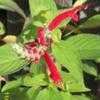
Pineapple sage (Salvia elegans) is a tender perennial herb native to the highlands of Mexico and Guatemala. Its common name comes from the intense pineapple fragrance released when the leaves are crushed. In late summer and fall, it produces brilliant scarlet flowers that attract hummingbirds and butterflies.
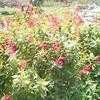
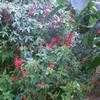
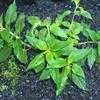
Plants form open, bushy clumps 90–150 cm tall and wide. Leaves are ovate, 5–10 cm long, soft green, covered in fine hairs, with a distinct pineapple scent. Flowers are tubular, 2.5–3 cm long, bright red, borne in whorls on terminal spikes from August to frost. The calyx is also red, enhancing the color impact.
| Family: | Lamiaceae (lay-mee-AY-see-ee) |
| Genus: | Salvia (SAL-vee-uh) |
| Species: | elegans (ELL-eh-ganz) |
| Synonyms: | S. camertonii, S. longiflora, S. microculis, S. punicea, S. rutilans |
Culinary: Fresh leaves add pineapple flavor to teas, fruit salads, desserts, and cocktails. Flowers are edible garnishes. Ornamental: Late-season color in borders and containers. Wildlife: Magnet for hummingbirds, butterflies, and bees.
Easy from stem cuttings in spring or summer. Roots in water or moist mix in 2–3 weeks. Can be grown from seed, but cultivars may not come true. Overwinter stock plants indoors in bright light.
Copyright © www.100flowers.win Botanic Garden All Rights Reserved