


The Soap Aloe, also known as African Aloe, is a striking succulent native to southern Africa. Its botanical name, Aloe maculata var. latifolia, hints at its broad, spotted leaves that form attractive rosettes. This species is prized not only for its ornamental appeal but also for the soapy lather its sap produces when mixed with water—a traditional soap substitute used by indigenous peoples.
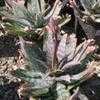
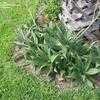
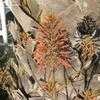
Soap Aloe forms stemless rosettes of thick, lance-shaped leaves that can reach up to 18 inches long. The leaves are green with distinctive white spots (maculata means "spotted") and have sharp, brownish teeth along the margins. In late winter to spring, it produces tall, branched inflorescences bearing tubular flowers in shades of orange, red, or yellow, attracting pollinators like bees and sunbirds.
This aloe thrives in well-drained, sandy or gritty soil and prefers full sun to partial shade. It is drought-tolerant once established but benefits from occasional watering during the growing season. Protect from hard frosts; it is best suited to USDA zones 9–11. In cooler climates, grow in containers that can be moved indoors during winter.
Beyond its decorative value, the gel-like sap has been used historically as a natural soap and for treating minor skin irritations. The plant also makes an excellent addition to rock gardens, xeriscapes, and succulent collections.

| Family: | Aloaceae |
| Genus: | Aloe (AL-oh) (Info) |
| Species: | maculata var. latifolia |
| Synonym: | Aloe saponaria var. latifolia |
Getting African Violets to Rebloom: Fertilizer, Light, and Watering Tips
Aloe Vera: The Living First-Aid Plant — Growing, Using & Safety Guide
Giant Tree Aloe (Aloe barberae): Majestic African Tree Aloe
Fan Aloe (Aloe plicatilis): Distinctive Fan-Shaped Tree Aloe
Insecticidal Soap: A Targeted Tool, Not a “Safer” Magic Bullet
Spiral Aloe (Aloe polyphylla): Mesmerizing Geometric Succulent
Mountain Aloe (Aloe marlothii): Majestic Single-Stemmed Tree Aloe
Boekaalwyn Aloe (Aloe suprafoliata): A Distinctive, Two-Ranked Leaf Aloe
Tiger Tooth Aloe (Aloe juvenna)
Clanwilliam Aloe (Aloe comosa)
African Candelabra (Euphorbia ammak)
Aloe 'Hercules' (Aloe barberae × dichotoma 'Hercules'): A Giant Hybrid Tree Aloe
Copyright © www.100flowers.win Botanic Garden All Rights Reserved