


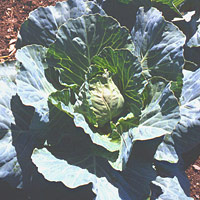
Once considered lowly, cabbage is now recognized as one of the most nutritious vegetables, rich in antioxidants and essential nutrients. Its culinary versatility—raw in slaw, steamed, stir-fried, pickled as sauerkraut, or stuffed—makes it a kitchen staple.
Cabbage performs best when heads mature in cool weather. Plan to harvest before summer heat arrives or target a fall harvest. In mild winter areas, it can be grown through winter.
Choose a site with full sun and well-drained soil. Loosen soil to 12–15 inches deep and mix in a 2- to 4-inch layer of compost.
Spring crop: Buy transplants or start seeds indoors 50–60 days before the last spring frost. Harden off over 1–2 weeks, then plant 2–3 weeks before the last expected frost. Space early varieties 12–15 inches apart; later types 18–24 inches apart.
Fall crop: Direct-sow seeds ¼ inch deep, 1½–2 inches apart, then thin to proper spacing.
When plants are 4–5 inches tall, thin or transplant to stand 18–24 inches apart. Apply thick mulch to retain moisture. Water during summer if rainfall is less than 1 inch per week. Contact your extension office for controls of common pests: aphids, root maggots, cabbageworms, and loopers.
Begin harvesting when heads are firm and softball-sized. Cut the head from the stem with a sharp knife and discard outer leaves. For longest storage, harvest late in the season before hard freezes and keep heads in a cold, moist location.
Odd Heliamphora Pitcher: Deformed or Aborted Flower Stalk?
Removing Moss & Plants from Cabbage Palm Trunk Safely
Growing Plumeria in Pots for Easy Moving in Austin
Organic Control of Cabbage Worms: Companion Planting and Bt
Hosta Catalogs: Discover the Shade Garden's Crown Jewels
Container Depth for Carrots: Matching Varieties to Pot Size
Pinching Sweet Peas for More Vines and Blooms
Building Up Soil Against a Foundation to Divert Water
Retaining Wall Near a Mature Dogwood: Why 10 Inches of Fill Will Kill It
Mulch Basics: Your Complete Guide to Types, Application, and Maintenance
Replacing Mismatched English Ivy with Uniform Cuttings
Bamboo Control: Barriers, Eradication, and Long-Term Vigilance
Copyright © www.100flowers.win Botanic Garden All Rights Reserved