


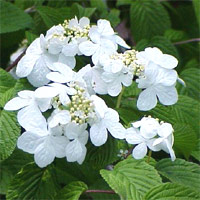
Viburnums are a diverse group of large, deciduous shrubs prized for their low-maintenance nature and multi-season appeal. From showy spring flowers and colorful berries to brilliant fall foliage and attractive winter structure, these plants earn their keep in the landscape year-round. Common names vary by species and include American cranberry bush, hobblebush, and European cranberry bush.
Viburnums serve beautifully as hedges, privacy screens, or filler plants in mixed borders. Their abundant berries are a magnet for birds and other wildlife, adding ecological value to their ornamental charm. Many species boast spectacular fall color in shades of red, orange, and purple, while their blue, red, black, or yellow berries often persist well into winter, providing visual interest during the dormant season.
Bloom time typically falls in mid to late spring. Some varieties, such as Korean spice viburnum (V. carlesii), offer intensely fragrant flowers that perfume the garden. A few cultivars even feature purple-tinged foliage for extra drama. Mature size ranges from 5 to 15 feet tall and wide, depending on the variety, so choose a cultivar that fits your space.
Apply a layer of compost around the base of the plant each spring, extending it to the dripline (the area beneath the outermost branches). Top with a 2-inch layer of mulch to conserve moisture and suppress weeds. Water during dry spells in summer if rainfall is less than 1 inch per week. Prune for shape immediately after flowering. Remove dead, diseased, or broken branches at any time.
Most viburnums thrive in full sun to light shade and well-drained soil. Some species tolerate wetter conditions, making them adaptable to various garden situations.
Plant in spring or fall. Space plants 5 to 15 feet apart, depending on the expected mature size of your chosen variety. Dig a hole only as deep as the root ball but 2 to 3 times as wide. If your soil is very poor, amend the excavated soil with a small amount of compost; otherwise, backfill with native soil. Gently remove the plant from its container, place it in the hole, and fill halfway with soil. Water thoroughly to settle the soil and eliminate air pockets. Once drained, fill the remainder of the hole and water again deeply.
Strawberry Decline After 8–10 Weeks: Soil Testing and Fertilizer
Understanding Cation Exchange Capacity (CEC) in Soil
Herbicide Residue in Soil: Bioassay with Peas Before Planting Shrubs
Best Plants for Clay Soil and Planting Size Advice
Reviving Cold-Damaged Jasmine Sambac in North Carolina
Storing Carnivorous Plant Soil: Does It Expire?
Gardenia Indoor Care: Bloom Maintenance and Reblooming Challenge
Spider Plant Root Rot from Annual Soil Washing & Queen of the Night Blooming Tips
Tiny White Bugs in Prayer Plant Soil: Symptom, Not Cause
Philodendron Soil Mold: Lysol and Perlite Fix
Copyright © www.100flowers.win Botanic Garden All Rights Reserved