


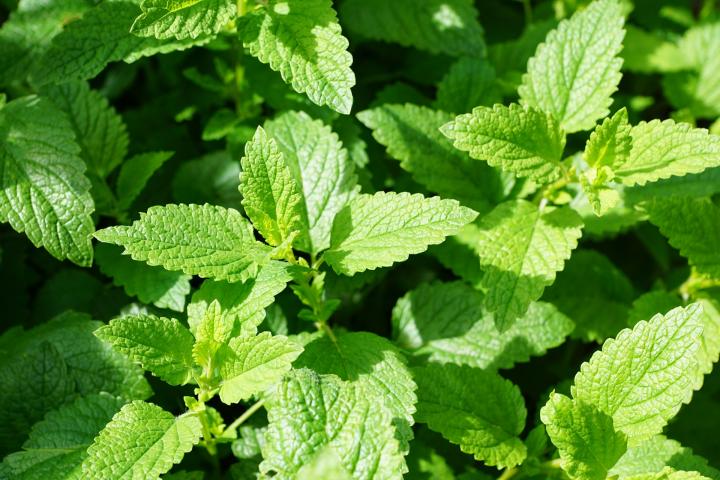
Mint is a perennial with fragrant, toothed leaves and tiny purple/pink/white flowers. Fruity, aromatic taste.
"If any man can name … all the varieties of mint, he must know how many fish swim in the Indian Ocean." –Walafrid Strabo (c. 808–849)
Many varieties—all fragrant, shiny/fuzzy, smooth/crinkled, bright green/variegated. Square stem identifies mint family. Rolling between fingers releases pungent scent—candy, sweet teas, mint juleps.
Kitchen companions, garden accents, groundcovers, air fresheners, herbal medicines. Beautiful, functional, foolproof—thrive in sun/shade across North America. Vigorous spreaders—plant carefully.
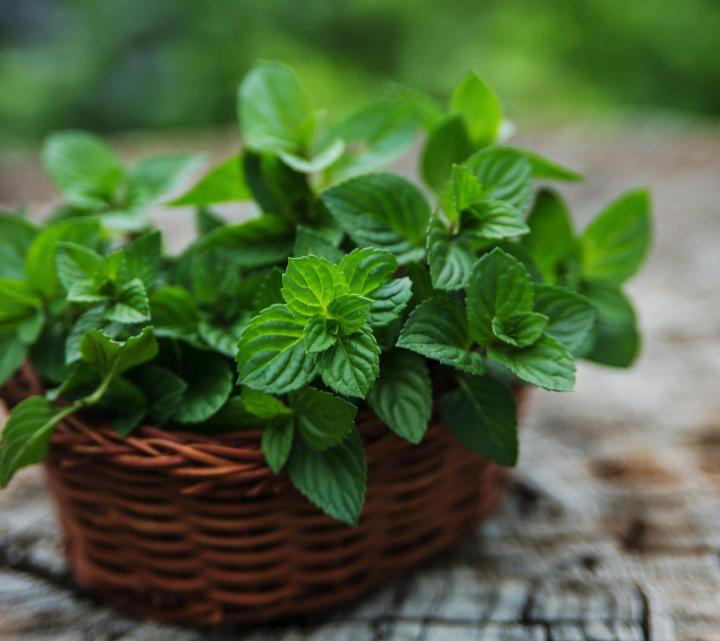
Photo Credit: Juta/Shutterstock
Best propagation: cuttings from favorites. Easy—6-inch rooted stem cuttings planted horizontally in soil. Stems root in water glass. Start with small cutting from established plant. Any gardening friend shares favorite mint cuttings.
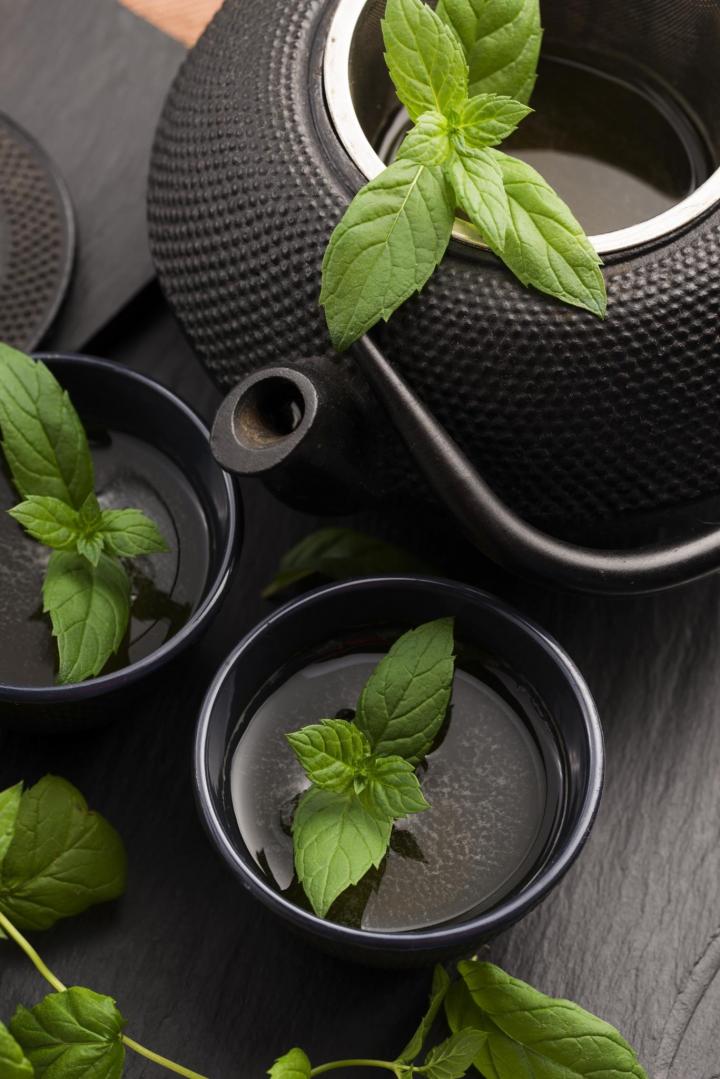
Photo Credit: Joannawnuk/Shutterstock
Serious cooks: spearmint for savory, peppermint for desserts. Delicate mint in fruit salads, yogurt, tea: apple/orange mint. Background in Middle Eastern salads (tabouli), with lamb, peas, zucchini, fresh beans, summer veg marinades, cold soups, fruit salads, cheese.
See our Mango Mint Smoothie recipe!
Credit: Anna Shepulova/Shutterstock
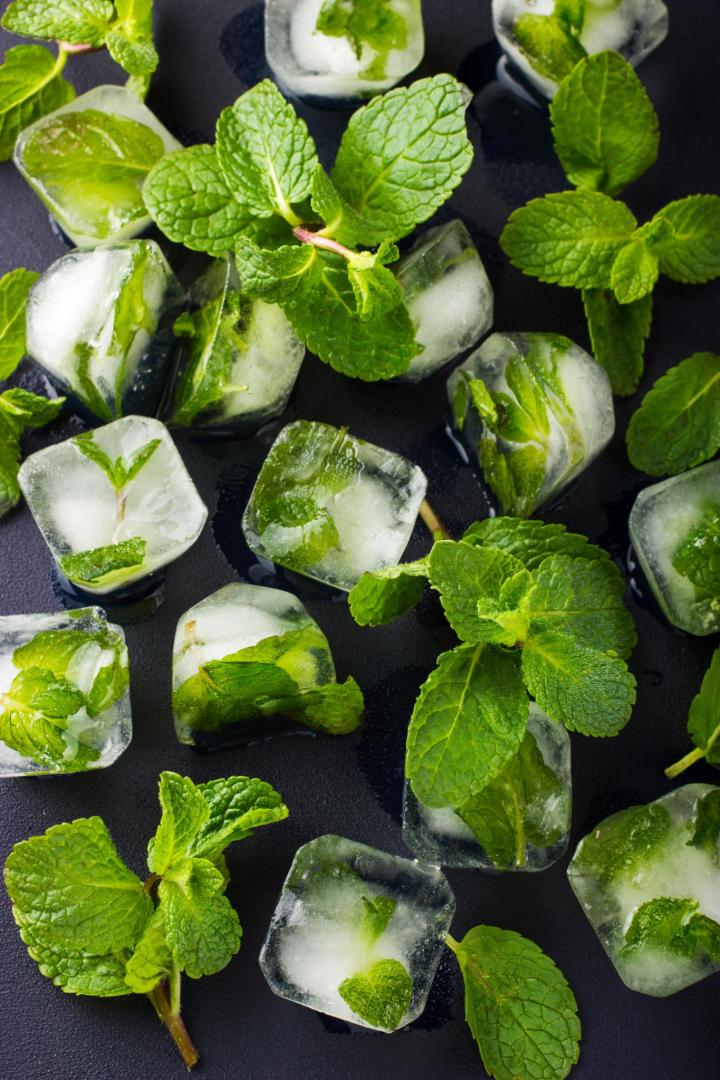
Tip! Make Flavor Cubes: freeze strong mint tea trays; use ice cubes for drinks!
Oregano: Planting, Growing, and Harvesting the Zesty Mediterranean Herb
Growing Thyme: A Complete Guide to Planting, Care, and Harvest
Growing Asparagus: A Long-Term Investment for Delicious Spring Harvests
Growing Beets: A Cool-Season Root Crop for Northern Gardens
Growing Cabbage: Tips for Two Successful Crops Per Year
Growing Sweet Corn: Wind-Pollinated Blocks for Maximum Yield
Growing Garlic: Fall Planting for Big, Flavorful Bulbs
Growing Okra: Heat-Loving Southern Favorite with Beautiful Flowers
Growing Parsnips: Sweet Roots Best Harvested After Frost
Growing Turnips: Quick-Growing Root Vegetable for Spring and Fall
Growing Figs: Planting, Care, and Harvest for Home Gardens
Growing Pears: Planting, Care, and Harvest for Home Orchards
Growing Basil: Planting, Care, and Harvest for Fresh Herbs All Summer
Copyright © www.100flowers.win Botanic Garden All Rights Reserved