


 Studies have suggested that Chinese evergreens are extremely effective when it comes to the removal of formaldehyde and xylene from the air.Chinese evergreens belong to Aglaonema genus and Araceae family. It is a popular indoor ornamental plant, that is relatively easy to care for. Though Aglaonema is a genus of flowering plants, it is the speckled or variegated foliage of this plant that interests gardening enthusiasts, and not its flowers. Its leaves are long and pointed. Its glossy foliage has pronounced patterns of green, silver-gray, or creamy white. Aglaonema 'Silver Queen' is one of the most popular cultivars that has received the Royal Horticultural Society's Award of Garden Merit.Over the years, several cultivars and varieties have been developed that have foliage with more visually-appealing patterns. Breeders have been able to develop varieties that have shades of yellow, pink, or red on the foliage. Some of the hybrid varieties are more resistant to diseases, and grow at a faster rate. Another feature that makes this an ideal houseplant is its compact size. This plant will flourish, if you provide it with the ideal environment.Chinese Evergreen Plant Information✦Genus: Aglaonema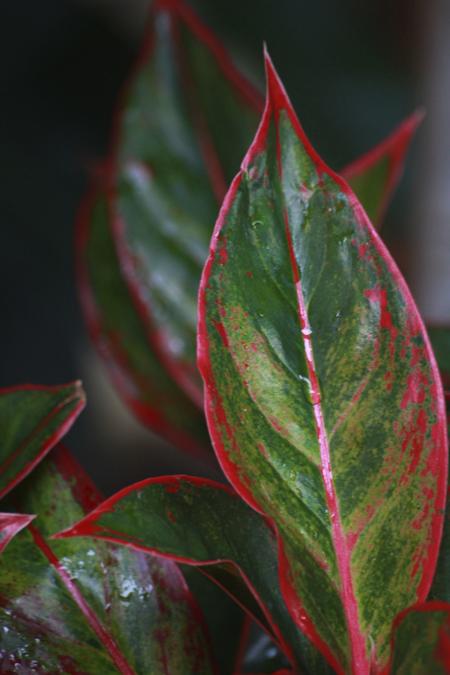
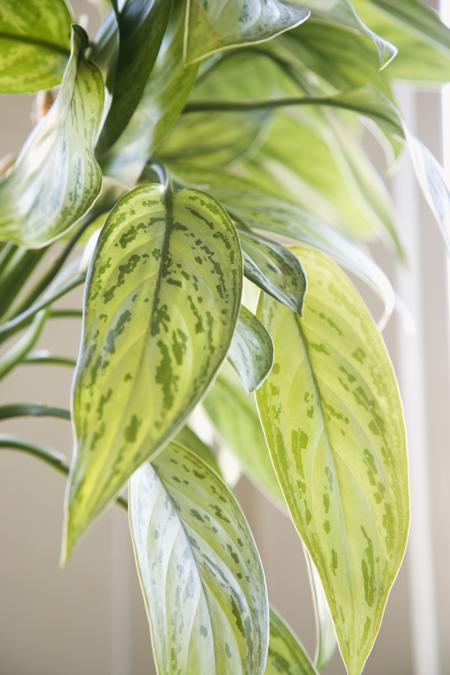
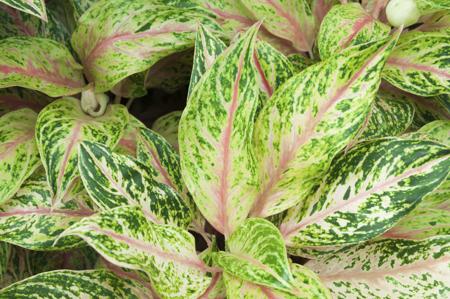
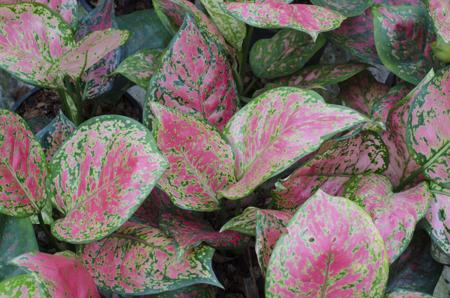
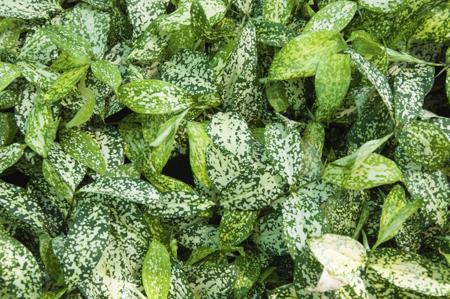
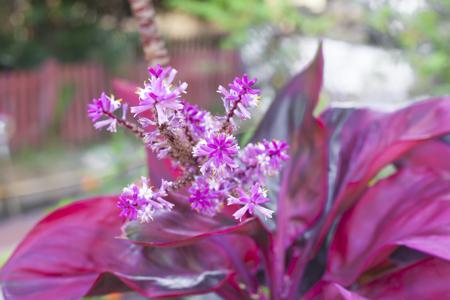 How to Take Care of Chinese EvergreensLight and TemperatureChinese evergreens make ideal indoor plants, as they can thrive in low light or shade. The plant can be placed around a north-facing window. It can tolerate filtered sunlight, but exposure to direct sunlight can cause damage to its foliage, which is the best feature of this low light indoor plant. Also, make sure that the temperature falls in the range of 65-80°F. If the temperature dips lower than 60°F, the foliage might begin to show signs of damage. For instance, dark patches might appear on the leaves. The foliage might even start curling due to the decrease in the temperature.Watering and HumidityFor the Chinese evergreens to thrive, you need to ensure that the soil remains evenly moist. So, water thoroughly till water starts draining from the drainage holes at the bottom of the pot. However, refrain from heavy watering, as that can make the plant susceptible to root rot. Allow the soil to become somewhat dry, before you water the plant again. Don't wait till the soil becomes completely dry. Since this plant does well in average to slightly high humidity, you can use a humidity tray.Soil and FertilizerAs far as the soil type is concerned, you could use a regular potting soil. However, the plant needs a well-drained soil, which is why you can add sand or perlite to the potting soil in the ratio of 1:3. The soil should also be replenished with a fertilizer during the growing season. You can apply a balanced liquid fertilizer (20-20-20) every 2-3 weeks. You can reduce the frequency of fertilizer application during the winter season.PruningDuring the spring, you will spot blooms, which then turn into berries. Since the flowers don't offer any visual interest, and the berries are poisonous, it would be best to remove them. Moreover, these will only compete with the foliage for nutrients. So, the removal of flowers and berries is to ensure that the leaves get all the nourishment they need. Also, pruning will be required if leaves are yellowing or wilting.RepottingAfter every 2-3 years, the plant should be repotted or placed in a pot that is bigger than the one that was used previously. Make sure that the potting soil drains well. The best time to repot Chinese evergreens is during the spring.PropagatingChinese evergreens can be propagated through division. In order to do so, you will need to remove the root ball. Use a clean knife to sever the thick rhizomes, so as to get clumps with several stems. The cut ends of the rhizomes can be dipped in rooting hormone to promote new root growth. Stem cuttings can be used for the purpose of propagation. All you need to do is cut the stem back to about 2 cm from the soil line. New growth will appear where the cut was made, and the top of the stem with leaves can be used as tip cuttings. Shoot tip cuttings that have at least 5 leaves can be used for propagating aglaonema silver queen or other cultivars. Remove two basal leaves from each cutting and push them in a pot filled with potting soil. Make sure that the pot is placed at a location that receives filtered sunlight. To encourage new root growth, water regularly for keeping the soil evenly moist.On a concluding note, the Chinese evergreen is an excellent choice for an indoor plant, not only due to its glossy, variegated foliage, but also due to its ability to purify air. Provide aglaonema with the ideal conditions that it needs to thrive, and watch its glossy foliage add visual interest to your home.
Copyright © www.100flowers.win Botanic Garden All Rights Reserved