1. Home
  2. Question and Answer
  3. Houseplants
  4. Garden Articles
  5. Most Popular Plants
  6. Plant Nutrition

Maidenhair Fern Care: 19 Essential Tips for Growing Adiantum Indoors

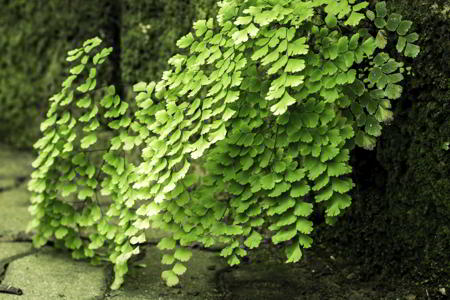
The maidenhair fern (Adiantum pedatum and related species) is a study in delicate resilience. Its fan-shaped, bright green fronds on wiry black stems bring ethereal grace to shaded gardens and humid interiors. Native to moist woodlands and rock crevices across North America, it demands consistent moisture, high humidity, and gentle light—but rewards care with unparalleled texture.
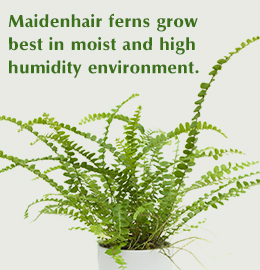
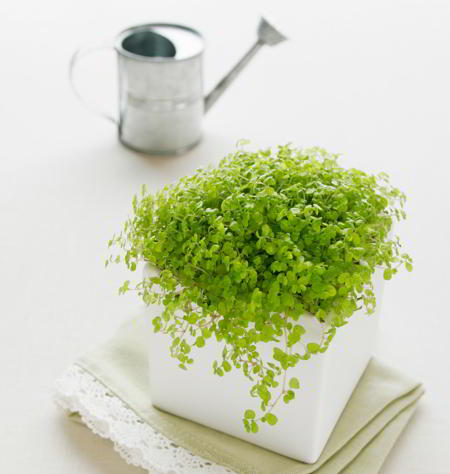
Maidenhair fern Maidenhair fern care Maidenhair fern humidity

Quick Reference

  • Botanical name: Adiantum spp. (Pteridaceae)
  • Common names: Maidenhair fern, five-finger fern, Venus hair fern
  • Type: Deciduous to evergreen perennial (climate-dependent)
  • Height: 12–24 inches
  • USDA Zones: 3–8 (outdoors)
  • Light: Bright indirect / dappled shade; no direct sun
  • Water: Consistently moist; distilled/rain water preferred
  • Humidity: High (60%+); critical
  • Temperature: 60–75°F; not frost-hardy in pots
  • Soil: Rich, organic, acidic, moisture-retentive but draining
  • Fertilizer: Dilute liquid, 2×/month growing season only
  • Mulch: Essential—2–3 inches shredded bark/leaf mold

19 Essential Care Tips

  1. Water with distilled or rain water. Hard water minerals clog delicate pores, causing brown tips.
  2. Replicate woodland soil. Rich, acidic, high organic matter. Amend with compost, peat, leaf mold.
  3. Maintain high humidity constantly. Dry air = crispy fronds. Use humidifier, pebble tray, or terrarium.
  4. Mist daily with warm water. Morning only—wet fronds overnight invite fungus.
  5. Keep temperatures warm but not hot. 60–75°F ideal. Avoid heat vents, cold drafts.
  6. Provide indirect light only. East/west window with sheer curtain. Direct sun scorches.
  7. Ensure air circulation. Stagnant air breeds disease. Small fan on low (not blowing directly) helps.
  8. Mulch generously. 2–3 inches organic mulch conserves moisture, feeds soil, protects rhizomes.
  9. Fertilize lightly, only when actively growing. Half-strength liquid, twice monthly April–Sept. Never in winter.
  10. Dilute fertilizer and apply to soil, not fronds. Prevents burn.
  11. Don't fertilize right after repotting. Fresh mix has nutrients; wait 4–6 weeks.
  12. Choose east or west window for indoor display. Morning/evening light is diffused and gentle.
  13. Trim yellowing or brown fronds at base. Encourages dense new growth.
  14. Propagate by division in spring. Separate rhizome sections with fronds and roots.
  15. Repot when root-bound. Spring; use wide, shallow pots (rhizomes spread horizontally).
  16. Watch for pests. Slugs, snails, aphids, mites. Hand-pick; neem oil if needed.
  17. Recognize distress signals:
    • Curling fronds = low humidity
    • Brown tips = dry air / hard water
    • Premature frond drop = chronic dehydration
    • Overall browning = water/light/humidity/temperature imbalance
  18. Keep away from heating vents, radiators, cold windows.
  19. Be consistent. Maidenhair ferns hate fluctuation. Routine care = thriving plant.

Common Species for Cultivation

  • Adiantum raddianum (Delta maidenhair) – Classic houseplant; many cultivars ('Fragrantissimum', 'Pacific Maid')
  • Adiantum capillus-veneris (Southern maidenhair) – Finer texture; warmer zones
  • Adiantum pedatum (Northern maidenhair) – Hardy; distinctive fingered fronds
  • Adiantum venustum (Himalayan maidenhair) – Evergreen, creeping; great groundcover

The Name's Origin

Oil from Adiantum fronds was historically used in hair preparations—hence "maidenhair." The genus name means "unwetted" (Greek adiantos), referring to fronds that shed water without becoming wet.

Maidenhair fern care is a daily practice, not a weekly chore. But for the gardener who loves ritual, it's a meditation that yields living lace.

Copyright © www.100flowers.win Botanic Garden All Rights Reserved