


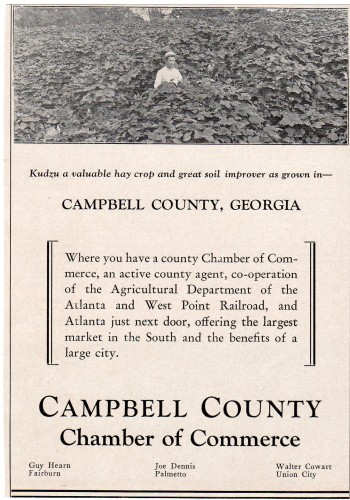
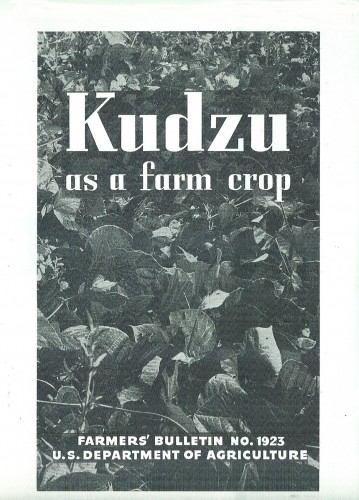
A faded copy of USDA Farmers Bulletin No. 1923, "Kudzu as a Farm Crop," resurfaced in the author's archives—along with a magazine ad featuring his grandfather, Walter Cowart, promoting kudzu to lure farmers back to rural Georgia in the 1920s. The bulletin touted kudzu's virtues for forage, erosion control, and soil building. Today, kudzu is infamous as "the vine that ate the South," but a century ago it was hailed as an agricultural savior. The document offers a fascinating glimpse into shifting perceptions of an invasive species.
Organic Fertilizer and Spray Schedule for Apple Farms
Why Crop Rotation Beats Nature's Monocultures: Benefits for Yields, Pests, and Soil
Potato Yield: Comparing True Seeds, Sprouts, Cuttings, and Tubers
Managing Overpopulated Bluegill in a Large Farm Pond
Organic Seeds Explained: Certification, Labels & What They Mean
Worm Farming Success: Avoid the Pitfalls That Kill Your Colony
Kudzu Bug (Globular Stink Bug) on Figs: Identification and Home Invasion Prevention
Crop Rotation vs. Nature: Why Farmers Rotate, Wild Plants Don't
Managing Leatherleaf Fern Anthracnose: When to Start Over
Organic Liquid Fertilizer: Benefits, Application, and Soil Health Impact
Overcoming Farming Challenges in Victoria: Wind, Water, Rabbits, and Weeds
Kudzu Control: It Has Flowers (Grape Kool-Aid Scent), Spray in Fall or Spring
Kudzu for Biofuel: Why This Invasive Vine Won't Power Cars
Why Kudzu Isn't a Practical Biofuel Crop Despite Its Vigorous Growth
Copyright © www.100flowers.win Botanic Garden All Rights Reserved