


Most homeowners have no idea how big their lawn is—and that's a problem. Fertilizer and herbicide rates are calibrated per 1,000 sq ft. Guessing leads to over-application (burned grass, runoff) or under-application (weeds persist, thin turf).
Pacing it out works, but a smartphone app that lets you drop pins at corners and calculates area would be ideal. Until one exists, measure manually: break the lawn into rectangles, circles, and triangles, calculate each, and sum them. Your grass—and wallet—will thank you.
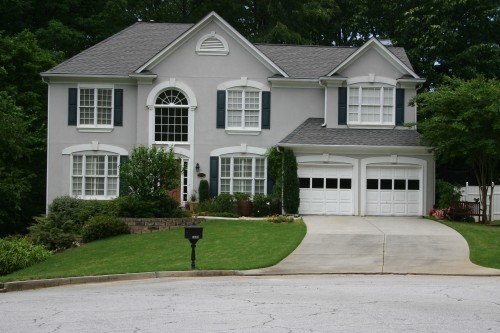
Lawn Replacement Options for Atlanta, Georgia
Fall Lawn Care Sequence: Seed, Fertilize, Weed Control (Toronto)
Growing Lawn in Shallow Bed on Concrete Slab
Converting Lawn to Landscape Beds: Removal Methods
Shade-Tolerant St. Augustine Varieties for Fort Lauderdale
Chicago Shady Backyard Seeding: Water Management Is Everything
Diagnosing a Dead Grass Rectangle: Abiotic vs. Biotic
Reseeding After a Playset: How to Blend New Grass Seamlessly
Establishing a Shade-Tolerant Lawn Under Mature Trees in Virginia
Regrading an Uneven Lawn: Equipment, Topsoil, and Drainage
Diagnosing a Persistent Soggy Lawn: Natural Springs vs. Drainage Issues
Diagnosing and Repairing Dead Spots in a Mature Ontario Lawn
Copyright © www.100flowers.win Botanic Garden All Rights Reserved