Garden edging is the quiet hero of landscape design—creating clean lines, containing materials, reducing maintenance, and elevating the entire composition from "planted" to "designed." The right edging pays for itself in saved time and visual coherence.
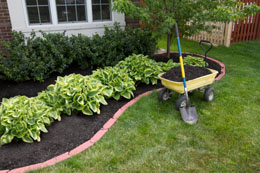
Why Edging Matters
- Visual definition: Separates beds from lawn, paths, hardscape
- Material containment: Keeps mulch, gravel, soil in place
- Root barrier: Blocks grass rhizomes, invasive spreaders
- Mowing efficiency: Eliminates string trimming along beds
- Design intent: Signals deliberate composition vs. accidental arrangement
Edging Materials: Pros, Cons & Best Uses
Stone Edging: Natural Elegance
- Types: River rock (stacked), flagstone (vertical), cobblestone, cut stone (bluestone, limestone, granite)
- Installation: Dry-stack (gravity) or mortared; compacted base essential
- Pros: Permanent, natural, matches stone hardscape, substantial
- Cons: Heavy, skilled labor for mortared, expensive
- Best for: Formal gardens, permanent beds, visible edges
Brick Edging: Classic Versatility
- Patterns: Soldier (vertical), sailor (flat), angled (45°), header (end), herringbone
- Installation: Sand bed (2") on compacted base; polymeric sand joints
- Pros: DIY-friendly, curves well, reclaimed brick = character + savings
- Cons: Can heave in freeze-thaw; mortar cracks; grass grows in joints
- Best for: Traditional, cottage, colonial; curved beds
Metal Edging: Invisible Discipline
- Types: Steel (raw, Corten, powder-coated), aluminum
- Profile: 4-6" deep × 1/8" thick; rolled top edge for safety
- Installation: Trench; stake every 2-3'; backfill
- Pros: Nearly invisible, perfect curves, durable, minimal visual weight
- Cons: Sharp edges (choose rolled), conducts heat, Corten stains surfaces
- Best for: Modern, naturalistic, meadow edges; where plants should star
Concrete Edging: Permanent Structure
- Types: Poured-in-place, precast sections, pavers on edge
- Profiles: Mowing strip (flat top), raised curb, sculpted
- Pros: Permanent, customizable, doubles as mowing strip
- Cons: Permanent (hard to change), cracking risk, skilled for decorative
- Best for: High-traffic edges, modern, lawn-bed separation
Plastic/Composite Edging: Budget Function
- Types: Rolls (coiled), rigid sections, recycled composite boards
- Installation: Trench; stake; backfill
- Pros: Inexpensive, flexible, DIY, lightweight
- Cons: Visually obvious, brittle in cold, UV degradation, lifts over time
- Best for: Temporary beds, budget projects, hidden edges
Wood Edging: Rustic Warmth
- Types: Landscape timbers, railroad ties, cedar/redwood boards, logs
- Installation: Stake/rebar; level; backfill
- Pros: Natural, inexpensive, curves (with cuts), raised bed capable
- Cons: Rot (10-20 yrs), chemical concerns (treated), termite risk
- Best for: Rustic, vegetable gardens, temporary, raised beds
Living Edges: Plants as Edging
- Low hedges: Boxwood, germander, lavender, dwarf yaupon
- Perennial borders: Catmint, salvia, sedum, heuchera, ornamental grasses
- Groundcover strips: Thyme, sedum, ajuga, liriope
- Pros: Soft, ecological, seasonal interest
- Cons: Maintenance (pruning, division), less defined line
Creative & Upcycled Edging
- Wine bottles (neck down, colored glass glow)
- Terra cotta pots (sideways, alternating)
- Reclaimed fence boards (vertical)
- Shells (coastal gardens)
- Bamboo stakes (woven)
- Broken concrete ("urbanite") - flagstone look, free
- Clamshells, brick fragments, tile pieces
Installation Best Practices
- Cut clean edge with half-moon edger or spade
- Trench to edging depth + base (typically 4-6")
- Compact subgrade; add sand/gravel base for rigid materials
- Set edging; level; stake/securing
- Backfill both sides; compact
- Mulch bed side; sod/seed lawn side
Design Tips
- Consistency: One primary edging material per garden area
- Curves: Generous radii (3'+) look intentional; tight curves look fussy
- Transitions: Plan where materials change (e.g., steel → stone at patio)
- Height: 1-2" above mulch for containment; flush for mowing strips
- Maintenance access: Leave gaps for wheelbarrow, equipment
Garden edging is where design meets maintenance. The hours saved not string-trimming, the mulch that stays put, the clean line that makes plantings pop—these daily satisfactions compound over years. Choose once, install well, enjoy the edge.


