Fairy gardens blend horticulture, miniature crafting, and imagination into living dioramas that delight children and adults alike. Whether tucked into a garden corner, arranged on a windowsill, or built in a repurposed container, these tiny landscapes invite storytelling, mindfulness, and a touch of magic into everyday spaces. This guide covers design principles, plant selection, accessory ideas, and step-by-step creation for fairy gardens at any scale.
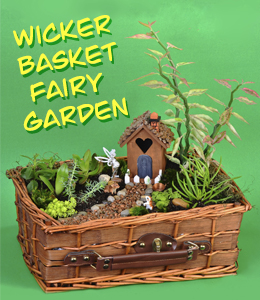
The Appeal: Why Fairy Gardens Resonate
Beyond whimsy, fairy gardens offer tangible benefits:
- Accessible gardening: No heavy lifting, minimal space, adaptable to mobility limitations
- Child engagement: Hands-on nature connection, responsibility, creativity
- Therapeutic value: Miniature world-building reduces stress, improves focus
- Year-round activity: Indoor gardens transcend seasons
- Upcycling opportunity: Repurpose broken pots, old drawers, discarded furniture
Design Foundations: Scale, Theme, and Story
Choose Your Scale
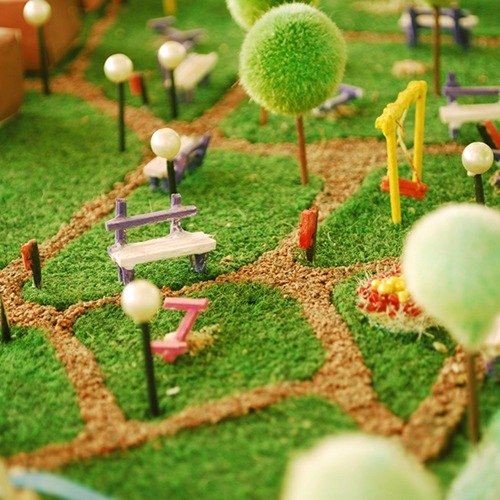
- Micro (1:24 or smaller): Dollhouse scale — thimble-sized accessories, tiny sedums
- Standard fairy (1:12): Most common — 1" = 1 ft, wide accessory availability
- Garden railroad (1:22.5, G scale): Larger — integrates with model trains
Select a Theme (Guides Plant/Accessory Choices)
- Woodland/Forest: Mosses, ferns, tiny conifers, bark houses, mushroom circles
- Cottage Garden: Mini roses, thyme lawn, picket fence, arbors, flower beds
- Coastal/Beach: Sand, succulents, driftwood, shells, lighthouse, beach chairs
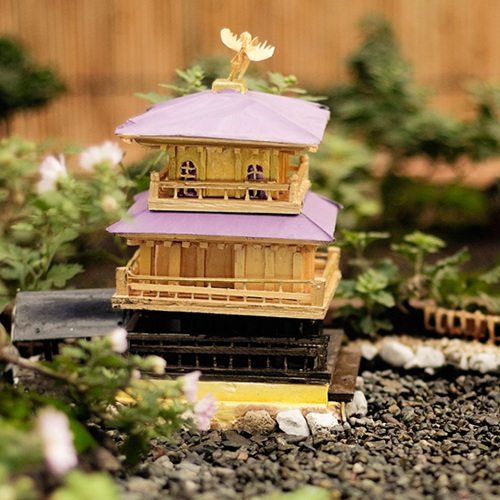
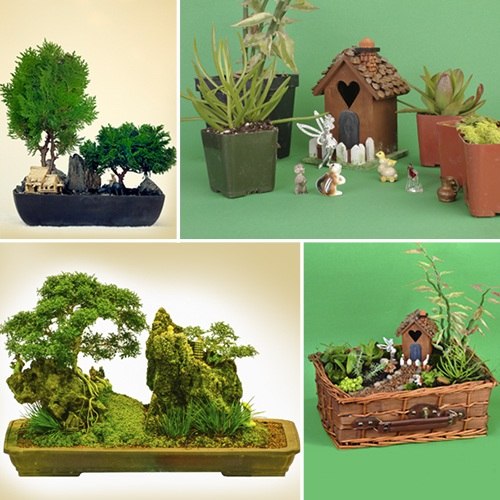
- Asian/Zen: Bonsai, raked sand, bamboo, stone lanterns, koi pond, torii gate
- Seasonal/Holiday: Rotatable — pumpkin patch, winter village, spring meadow
- Storybook: Recreate scenes — Hobbiton, Narnia, Secret Garden
Container Strategies: Think Beyond the Pot
Traditional Containers
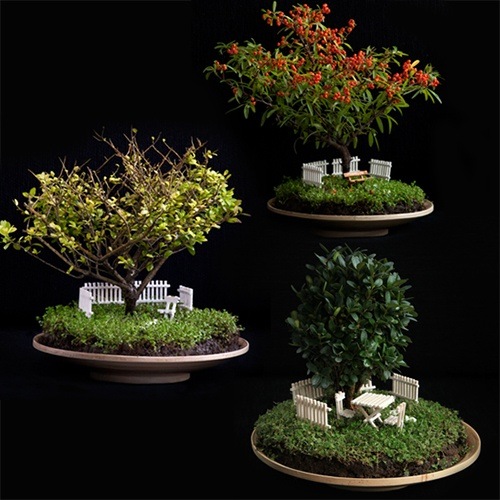
- Wide, shallow bowls (bonsai pots, ceramic saucers)
- Terracotta strawberry jars (multi-level planting)
- Hypertufa troughs (rustic, porous, ages beautifully)
Creative Repurposing (The Most Characterful Gardens)
- Broken terra cotta: "Shard gardens" — plant in the fragments
- Vintage drawers: Dresser drawers with drainage holes drilled
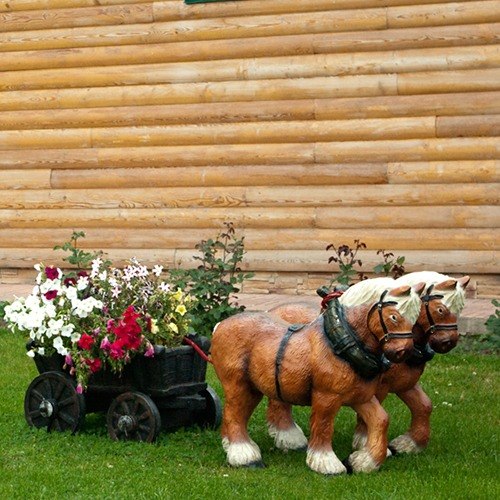
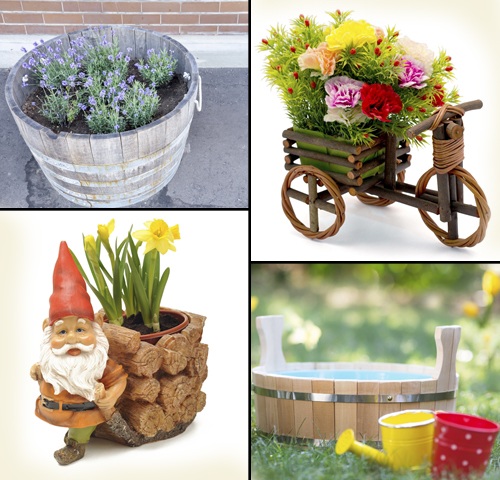
- Wheelbarrows/garden carts: Mobile, rustic, excellent drainage
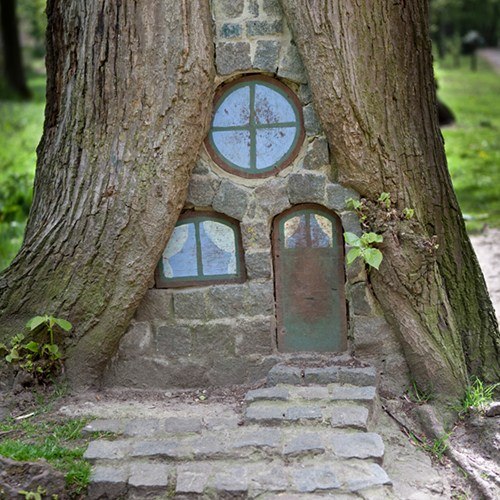
- Tree stumps: Hollowed centers with hinged "fairy doors"
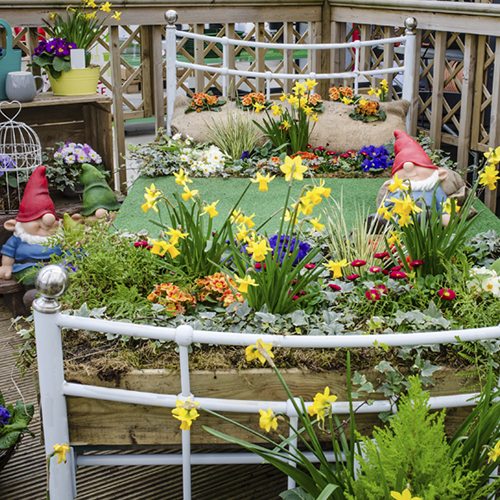
- Old furniture: Chair seats, desk drawers, piano tops
- Kitchen items: Enamel pots, colanders, tea tins, wooden crates
- Natural vessels: Large shells, hollow logs, stone basins

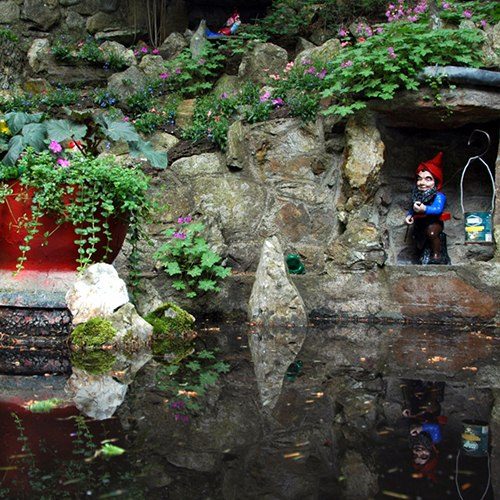
Plant Selection: The Living Foundation
Ground Covers (Lawn Substitutes)
- Elfin Thyme (Thymus serpyllum 'Elfin'): Tightest mat, tiny flowers, fragrant, walkable
- Irish Moss (Sagina subulata): Emerald cushion, not true moss, needs moisture
- Scotch Moss (Sagina subulata 'Aurea'): Golden version
- Baby's Tears (Soleirolia soleirolii): Lush, shade-loving, delicate
- Creeping Wire Vine (Muehlenbeckia axillaris): Wiry, tough, bronze winter color
- Miniature Sedums: 'Tiny Buttons', 'Little Missy' — drought tolerant
Shrub/Tree Layer (Woody Structure)
- Dwarf Conifers: 'Jean's Dilly' spruce, 'Tom Thumb' cotoneaster, 'Nana' hinoki
- Boxwood: 'Morris Midget', 'Green Pillow' — shearable, evergreen
- Japanese Holly: 'Helleri', 'Soft Touch' — small leaves, dense
- Azalea: 'Gumpo' series — compact, spring flowers
- Bonsai starts: Young maples, pines, elms — train as specimen trees
Accent Plants (Flowers, Texture, Vertical Interest)
- Miniature Roses: True roses, 6-12" tall, repeat bloom
- African Violets: Indoor gardens, constant bloom
- Lobelia: Trailing, intense blue/purple/white
- Alyssum: Honey-scented, self-sows, pollinator favorite
- Violas/Johnny-Jump-Ups: Edible flowers, cool season
- Succulents: Haworthia, Echeveria, Sedum — low water, geometric forms
Indoor-Specific Plants (Low Light Tolerant)
- Fittonia (nerve plant) — colorful veins, terrarium happy
- Pilea (friendship plant) — textured leaves, easy propagation
- Peperomia — diverse forms, compact
- Selaginella (spikemoss) — prehistoric look, humidity lover
Essential Accessory Categories
Structures (The "Built Environment")
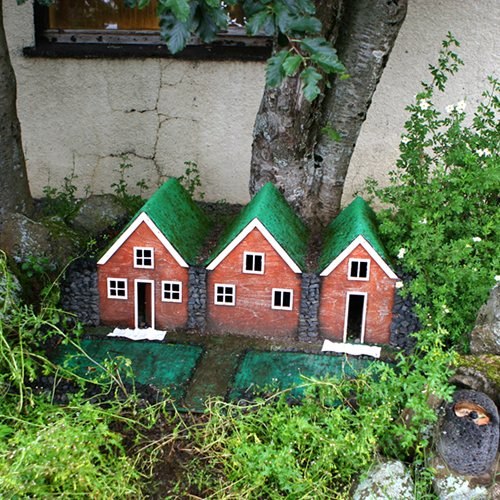
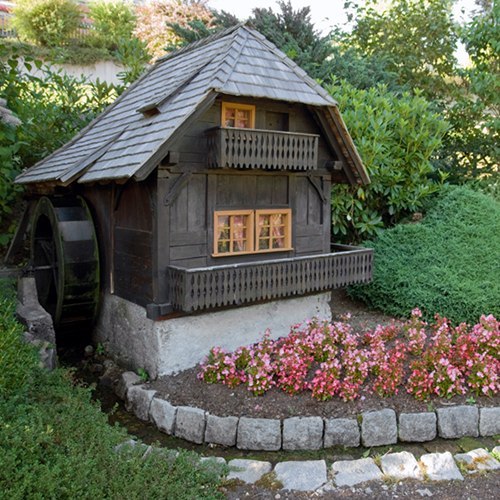
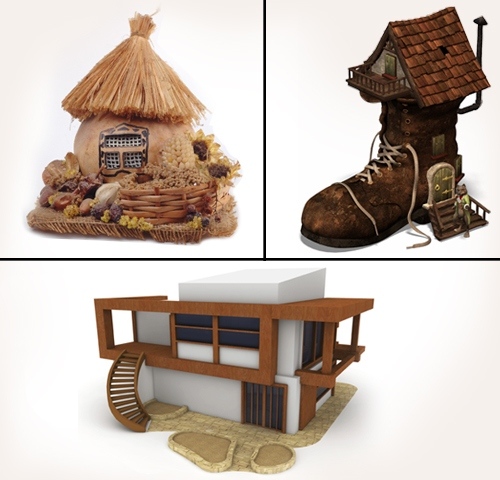
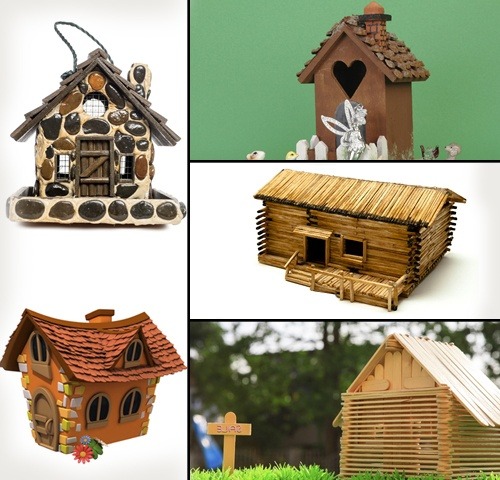
- Houses: Cottages, tree houses, mushroom caps, shoe houses, teapot homes
- Doors: Fairy doors on trees/stumps — the portal concept
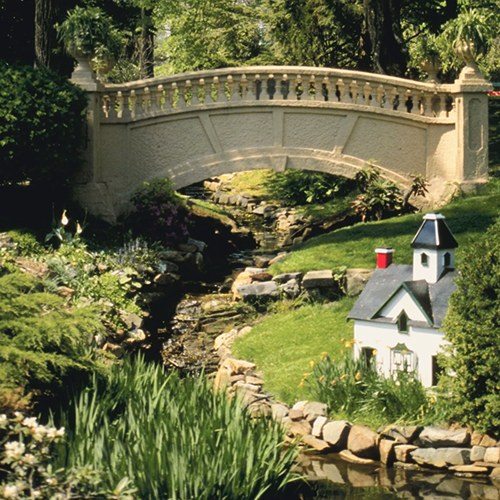
- Bridges: Arched, flat, rope — cross "water" or paths
- Arbors/Gazebos: Vine-covered, seating beneath
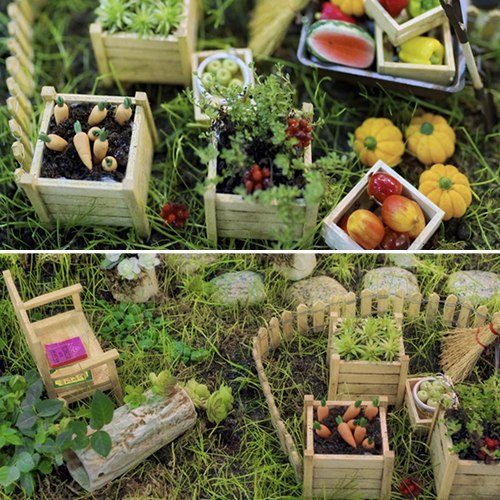
- Fences: Picket, split rail, twig, stone wall
Hardscape (Paths, Patios, Water)
- Pathways: Pebbles, stepping stones, bark mulch, glass gems, polymer clay pavers
- Patios: Flagstone, brick, tile, wood slices
- Water features: Blue glass gems, mirror pieces, resin casts, actual mini pumps
- Dry streambeds: River rock, glass beads
Furnishings (Comfort and Function)
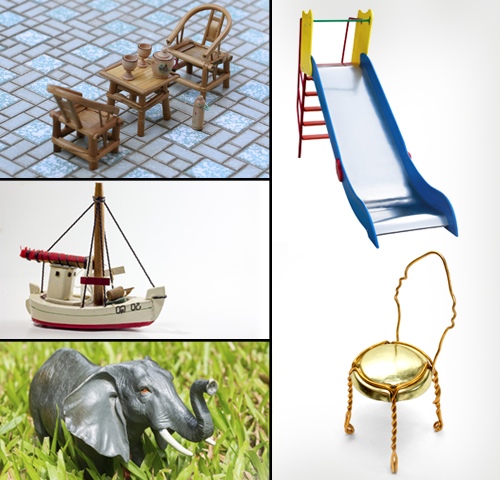
- Seating: Benches, swings, Adirondack chairs, toadstool seats, acorn cap chairs
- Tables: Mushroom, stump, leaf, tea sets
- Swings/Play: Tire swings, rope ladders, slides, seesaws
- Lighting: Solar mini lanterns, LED string lights, glow stones, "firefly" jars
Inhabitants and Creatures
- Fairies: Resin, polymer clay, 3D printed — diverse poses
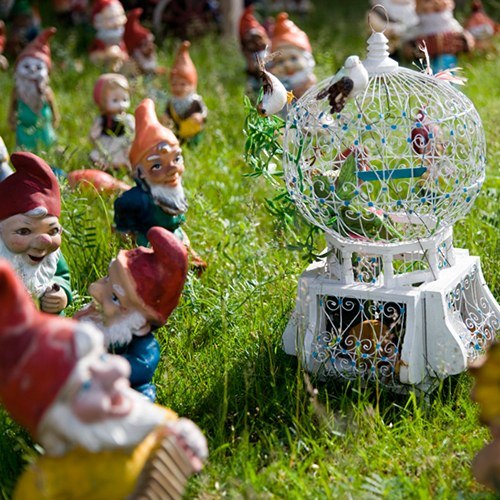
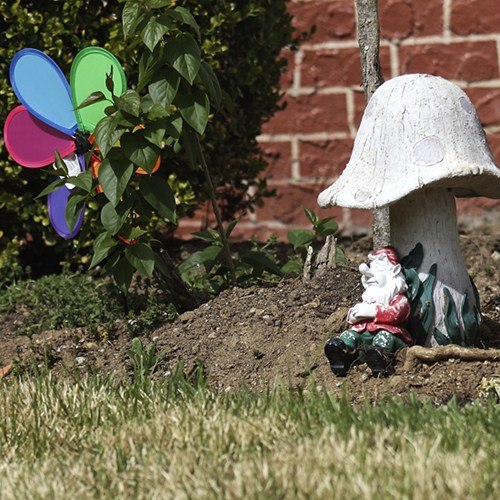
- Gnomes: Classic red-hat, modern designs, animal companions
- Animals: Birds, squirrels, hedgehogs, frogs, deer, cats
- Mythical: Dragons, unicorns, sprites, trolls
Decorative Details (The Magic Is in the Details)
- Miniature tools (watering cans, wheelbarrows, trowels)
- Birdhouses, birdbaths, feeders
- Signposts ("Fairy Crossing", "Toadstool Lane")
- Trellises, obelisks, plant supports
- Windmills, lighthouses, wishing wells
- Seasonal: pumpkins, snowmen, maypoles, lanterns

Step-by-Step Creation Process
- Choose container + location (sun exposure determines plant palette)
- Add drainage layer: 1" gravel/LECA + landscape fabric
- Fill with media: 50% potting soil, 30% perlite, 20% fine bark — moistened
- Place hardscape: Paths, patios, large rocks, water feature base
- Plant largest to smallest: Trees/shrubs → ground covers → accents
- Add structures: Houses, bridges, arbors
- Detail: Furnishings, inhabitants, lighting, signage
- Water gently: Mist to settle — avoid displacing miniatures
- Top dress: Fine gravel/moss on exposed soil
Maintenance: Keeping the Magic Alive
- Water: Check daily — small volumes dry fast. Mist ground covers.
- Prune: Monthly — maintain scale, prevent shading out
- Fertilize: Quarterly, dilute (1/4 strength) — avoid excessive growth
- Groom: Remove dead leaves, debris; refresh moss/ground cover annually
- Rotate: Seasonal accessory swaps keep it fresh
- Protect: Indoors during extreme weather; pest monitor
Fairy Gardens with Children: Developmental Benefits
- Fine motor: Placing tiny accessories, planting
- Planning: Layout design, plant selection
- Stewardship: Watering schedule, observation
- Storytelling: Narrative play, language development
- Science: Plant needs, life cycles, ecosystems
Fairy gardens remind us that gardening needn't be grand to be meaningful. In a 12-inch bowl, you can create a world with seasons, stories, and living beauty — a place where imagination takes root alongside thyme and sedum. Whether you're eight or eighty, building a fairy garden is an act of hope: you're making a small space hospitable to wonder. And sometimes, if you're very quiet, you might just see a wing flutter at the edge of vision — or at least, feel the possibility.


