


Split rail fencing—born from frontier practicality—has evolved into a versatile landscape element that adds rustic texture, defines spaces, and frames views without visual heaviness. Its open, horizontal lines complement styles from colonial to contemporary.
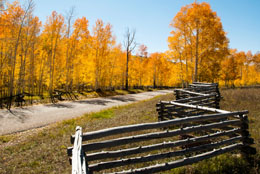
A two-rail fence along property lines creates the illusion of expanded space—horizontal lines draw the eye outward. Soften with:
Low (18-24") split rail outlines formal or cottage beds beautifully. The rustic wood contrasts with refined plantings—roses, peonies, lavender, herbs. Keeps mulch contained, mowers at bay.
Split rail with dry-stacked stone posts elevates the aesthetic:
A matching arbor/gate set creates an entrance sequence:
| Wood | Durability | Cost | Notes |
|---|---|---|---|
| Western Red Cedar | 15-20 yrs | $$ | Lightweight, stable, silver-gray patina |
| Black Locust | 25-50+ yrs | $$$ | Extremely dense, rot-resistant, golden-brown |
| White Oak | 20-30 yrs | $$ | Strong, traditional, weathers to silver |
| Pressure-Treated Pine | 15-20 yrs | $ | Green tint fades; seal for appearance |
| Vinyl/Composite | 30-50 yrs | $$$ | Zero maintenance; higher upfront cost |
Split rail fence bridges wild and cultivated, past and present. Whether enclosing a vegetable patch, lining a woodland path, or framing a mountain view, it adds a layer of authenticity that manufactured materials simply can't replicate.
Common Landscaping Mistakes and How to Avoid Them
Garden Fencing in the UK: Security, Privacy, and Landscape Beauty
Landscaping with Woody Plants: Design Principles for Year-Round Structure
Landscaping with Roses: Design Ideas for Every Garden
Landscaping with Livistona Palms: A Grower's Guide
Landscaping with Rocks and Stones: Expert Tips from Barbara Pleasant
Landscaping with Conifers: Choosing, Growing, and Designing with Evergreens
Landscaping a Steep Slope with Safety and Erosion Control
Creating a Flagstone Sitting Area on a Slope
Phalaenopsis Leaf Splitting: Causes and Prevention
Landscaping with Stone: Naturalistic Ruins or Structured Pathways
Designing with Native Wildflowers: Low-Maintenance, High-Impact Gardens
Landscaping with Knock Out Roses: Design Ideas for Easy-Care Color
Working with Landscape Professionals: What New Homeowners Need to Know
Copyright © www.100flowers.win Botanic Garden All Rights Reserved