


Conifers form the backbone of many garden designs, offering year-round structure, color, and texture. From towering pines and spruces to compact dwarf varieties, these evergreens can transform a landscape—if chosen and placed wisely. Too often, however, a beautiful blue spruce outgrows its space or a hedge of arborvitae turns brown from poor care. Here’s how to select the right conifers, keep them healthy, and boost your property’s long-term value.
Conifers are surprisingly low-maintenance when their basic needs are met. Follow these principles for success:

Layering evergreens with companion plants creates a dynamic, multi-season display. Photo: Fine Gardening.
We focus on dwarf and small-stature conifers that won’t outgrow typical gardens. Always consult a local nursery for region-specific advice, especially in windy or arid climates. Prices vary widely—shop around.
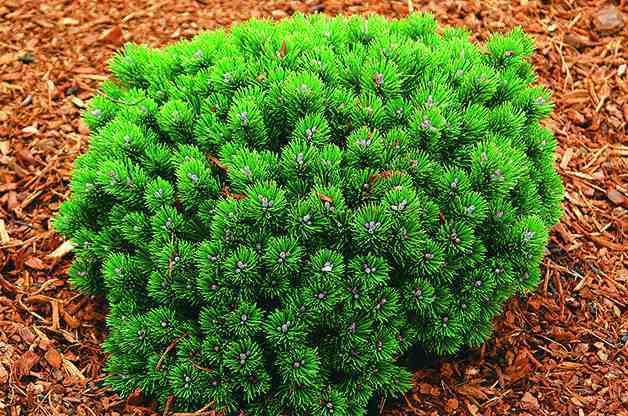
A classic, rugged pine that stays compact—typically 3–5 feet tall and wide in ten years. Verify the label; older varieties can reach 20 feet. Excellent for rock gardens and foundation plantings.
Prized in Japanese gardens for its soft, fan-like foliage and tidy, pyramidal or globular habit. ‘Minima’ stays around 2 feet; other dwarfs reach 8–10 feet tall but remain narrow. Golden cultivars add bright accents.
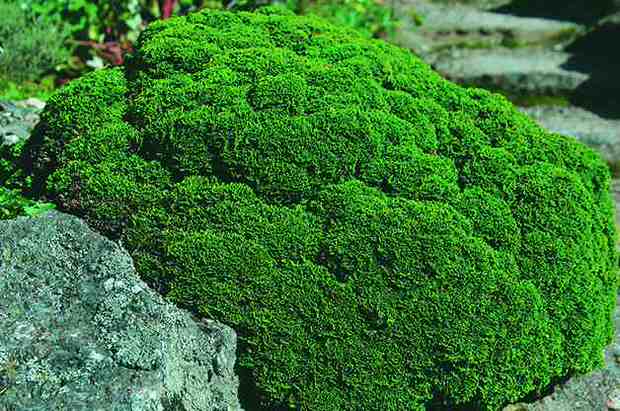
A dense, globe-shaped shrub 3–4 feet high and wide, with deep green or golden needles. Reliable, low-maintenance, and perfect as a specimen or in groupings.
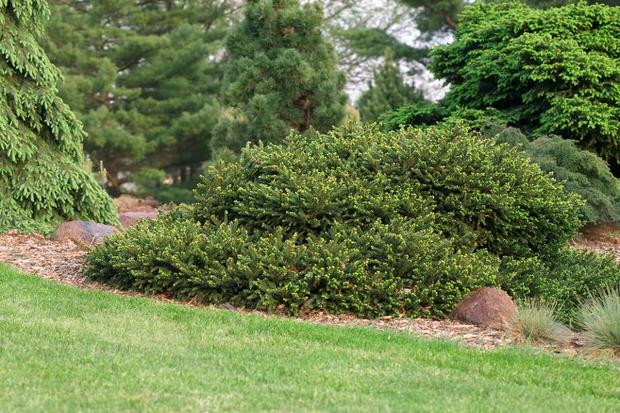
A graceful, low-spreading cedar with striking blue-green needles. Grows only 2 inches per year, eventually forming a 2-foot-tall, 8-foot-wide cascade. Ideal for draping over walls or contrasting with upright evergreens.

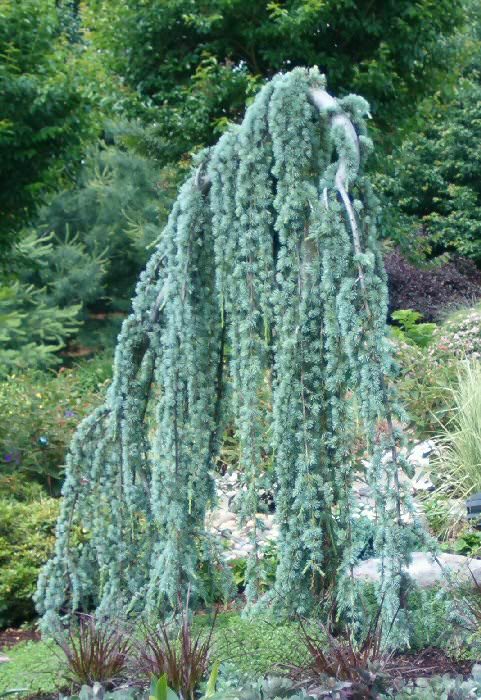
A living sculpture: stiff, silvery-blue needles on cascading branches that can be staked upright or trained over a rock wall. Slow-growing, wind-sensitive, but unforgettable in the landscape.
A compact, pyramidal tree to 8–12 feet with upward-curling needles that reveal frosty white undersides. Showy purple cones appear young. Buy a plant already bearing cones for immediate impact.

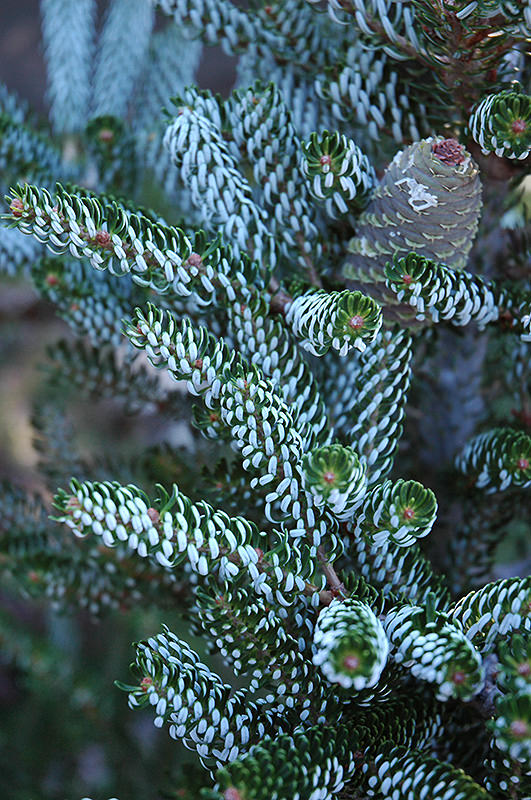
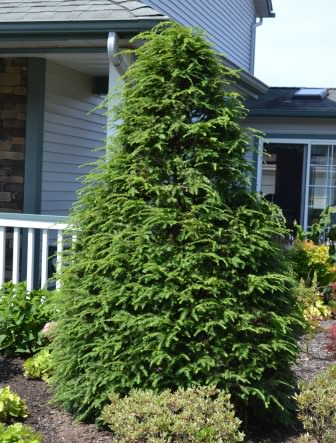
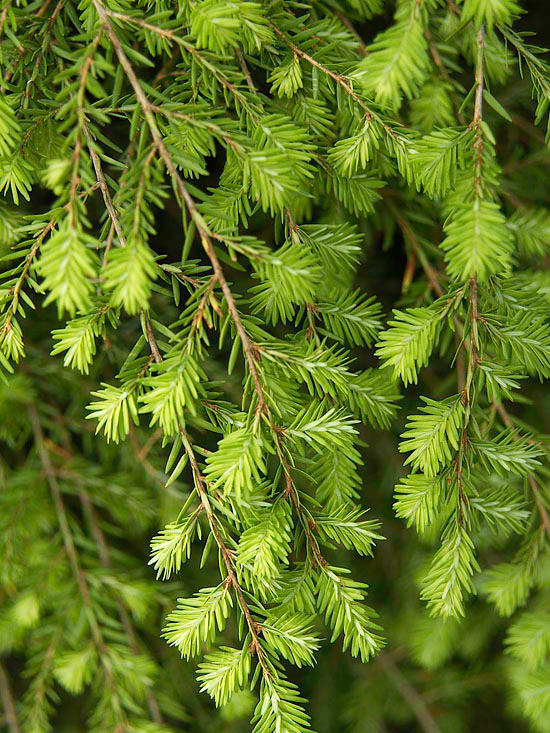
One of the few large conifers that tolerates shade. Grows to 40 feet over decades, with a graceful, feathery habit. Needs more moisture than most evergreens but can be sheared into a hedge. Growth rate: 1–2 feet per year.
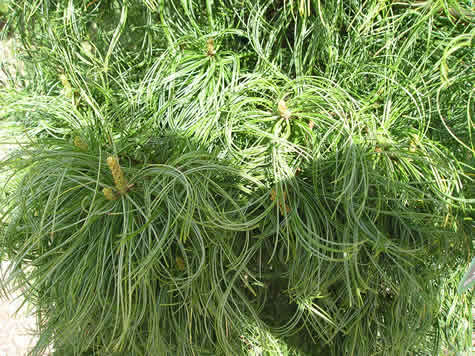
A conversation piece with twisted needles and gnarled branches. Reaches 10–20 feet tall and 8–12 feet wide in ten years. Perfect for a focal point where its eccentric form can be appreciated.
What’s your favorite conifer? Share your experiences and tips in the comments below!
Building a Planter Wall Under a Mature Spruce: Root Protection Guidelines
Landscaping with Shrubs: Year-Round Structure, Fragrance & Privacy
Landscaping with Garden Paving Materials for Curb Appeal
Landscaping Books: Essential References for Designers and Hobbyists
Campbell Landscapes: Transforming San Dimas Homes with Expert Residential Landscaping
Landscaping Around a Storm Drain Easement: Plants, Rocks, and Dry Creek Ideas
Concrete Landscaping: Modern Applications for Patios, Walls, and Pathways
Fencing and Landscaping in Wolverhampton: Secure, Beautify, and Add Value
Evergreen Trees: Year-Round Structure, Privacy, and Wind Protection
Landscaping with Split Rail Fence: Rustic Charm for Modern Yards
Landscaping with Knock Out Roses: Design Ideas for Easy-Care Color
Designing With Conifers: Unlocking Year-Round Color in the Garden
Copyright © www.100flowers.win Botanic Garden All Rights Reserved