


Your front yard is your home's handshake—the first impression for visitors, neighbors, and potential buyers. Thoughtful landscaping harmonizes architecture and nature, creating an inviting approach that reflects your home's character.
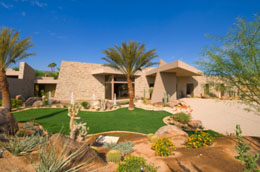
Sketch a scaled base plan showing house footprint, utilities, existing trees, sun patterns, and drainage. Define circulation: where do people walk? Where do cars park? Where should the eye be drawn? A coherent plan prevents the "plop and drop" look of impulse purchases.
Visual weight should feel distributed. This doesn't require mirror symmetry—asymmetrical balance (a large tree balanced by a group of three shrubs + a boulder) is often more dynamic. Scale plants to the house: a two-story facade needs substantial trees; a cottage suits smaller specimens.
Every front yard needs a visual anchor—one dominant feature that organizes the composition:
Design for your actual maintenance capacity. A complex perennial border requires weekly attention; a shrub-and-mulch bed needs quarterly shaping. Irrigation systems, mulch replenishment, and seasonal cleanups should factor into the plan. The most beautiful landscape is one that looks good in November, not just May.
Investing in front yard landscaping returns 100-150% at resale—but the daily pleasure of arriving home to a beautiful entrance is the real dividend.
Front Foundation Shrub Replacement: Timing and Low-Maintenance Selections for Zone 7a
Front Yard Foundation Planting for Raleigh, NC: Sun-Loving, Colorful, Low-Maintenance
Landscaping California Modern Homes: Eichler-Inspired Design
Budget-Friendly Garden Landscaping Ideas
Arizona Landscaping Ideas: Desert Beauty for Outdoor Living
Small Backyard Landscaping Ideas: Maximizing Limited Space
Grass-Free Front Yard Ideas: 8 Beautiful Low-Maintenance Alternatives
Landscape Design Principles: Create a Garden That Adds Value & Beauty
Creative Backyard Landscaping Ideas for Your Personal Oasis
Backyard Landscaping Projects: Ideas for Your Personal Outdoor Retreat
Low-Maintenance Front Yard Landscaping with Ornamental Grasses
Landscape Ideas for Ranch Style Homes: Enhancing Horizontal Architecture
Creative Home Landscaping Ideas to Boost Curb Appeal and Livability
Copyright © www.100flowers.win Botanic Garden All Rights Reserved