


A well-designed front yard bridges architecture and nature, guiding visitors toward the entrance while framing the home beautifully. Success comes from understanding layout principles, plant selection, and hardscape integration.
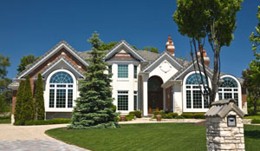
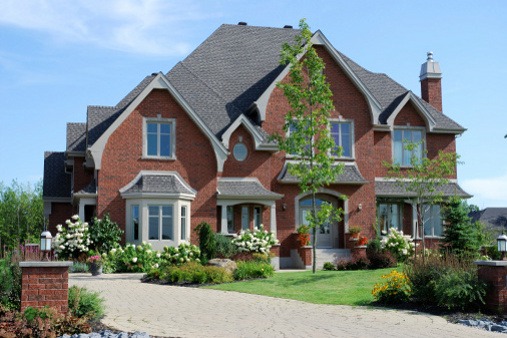
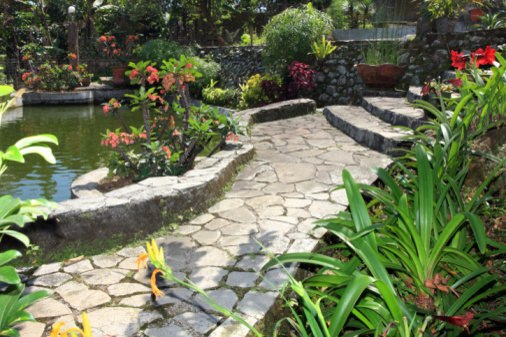
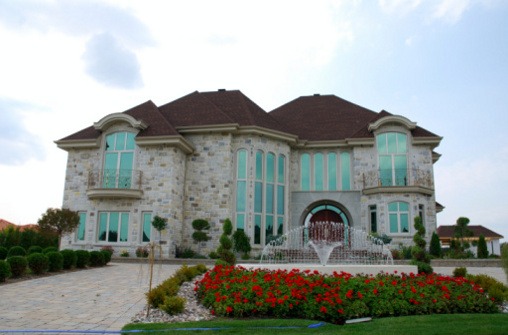
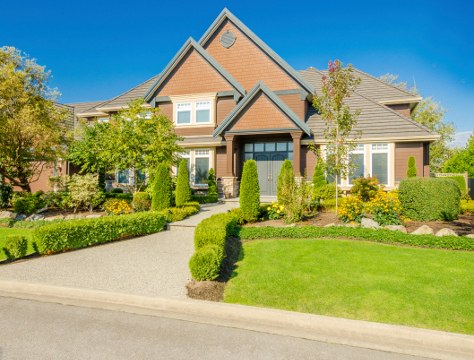
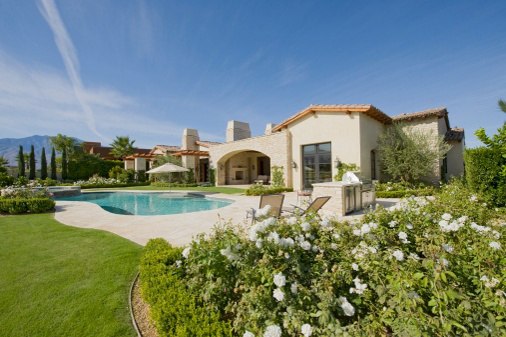
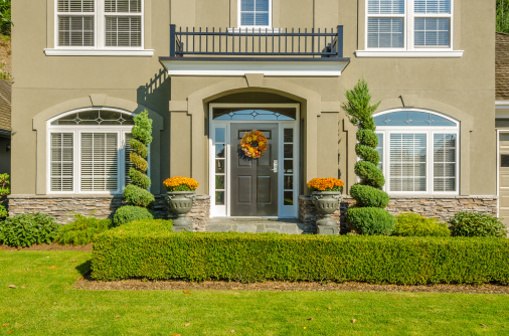
Best suited for homes with centered doors, balanced windows, and central driveways. Mirror-image plantings—matching trees, shrub groupings, and bed shapes on each side—create formal elegance. Challenges include precise maintenance to preserve balance.
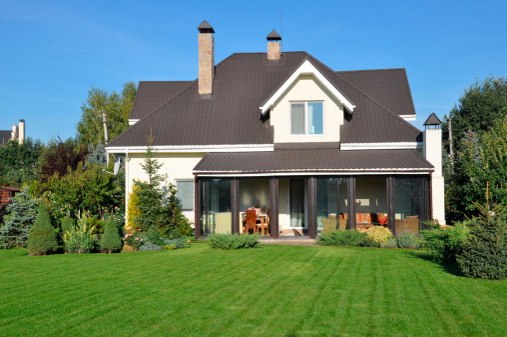
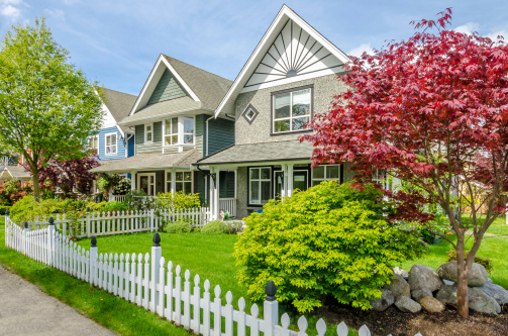
More relaxed and forgiving, this approach balances visual weight rather than mirroring elements. An off-center walkway might be balanced by a specimen tree on the opposite side, with layered shrubs bridging the composition. Unity comes from consistent materials, repeated plant forms, and a clear hierarchy of focal points.
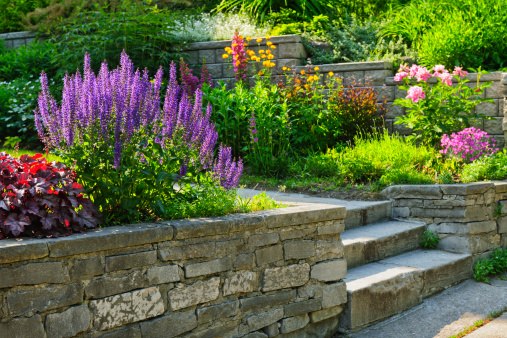
Restraint creates impact. Limit flowering accents to 2-3 complementary colors. A single well-placed hydrangea or drift of salvia outperforms a chaotic rainbow. For groundcovers, choose between traditional lawn or low-spreading alternatives (Thymus, Sedum, Ajuga) based on traffic and maintenance tolerance. Hedges, if used, belong 15-20 feet from the street for sightline safety.
The most successful front yards feel inevitable—as if the house grew from the landscape. Start with a scaled plan, prioritize the view from the street, and phase installation if budget requires. Remember: plants grow, hardscape doesn't. Invest in quality materials and proper soil preparation for decades of curb appeal.
Termite-Safe Foundation Landscaping: Alternatives to Soil Beds
Moving a Sweet Olive Tree Near a Live Oak: Transplant Protocol
Desert Landscaping Alternatives to Grass in Rio Rancho, NM
Front Yard Landscape Refresh in Frederick, MD: Sturdy Plants for Zone 6b
Organic Lawn Renovation: Sugar, Alfalfa, Lava Sand, and Cedar Mulch
Three Inspiring Landscape Design Concepts for Your Outdoor Space
Low-Maintenance Front Yard Landscaping: Grass Alternatives and Irrigation
Concrete Yard Landscaping: Patios, Walls, and Erosion Control
Commercial Landscaping: Full-Service Yard Care for Busy Homeowners
Front Yard Landscaping: Step-by-Step Design and Installation
Landscaping Ideas for Front of House: Boost Curb Appeal
A Small Front Yard Landscape Plan: Maximizing Compact Spaces
Mid-Priced Front-Yard Landscape Design: Grand Entry & Beautiful Plantings
Copyright © www.100flowers.win Botanic Garden All Rights Reserved