


Modern indoor lifestyles disconnect us from nature, risking "Sick Building Syndrome" from VOCs (furniture, paint, carpets) and external pollution. Indoor plants counteract this naturally.
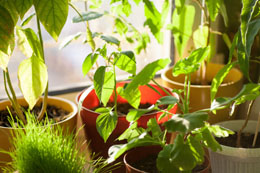
Plants absorb CO₂, emit O₂, and remove VOCs (formaldehyde, benzene, trichloroethylene). NASA studies confirm significant toxin reduction. They're living air filters.
Green color reduces stress. Caring for living things provides purpose. Plants soften harsh interiors, creating sanctuary-like spaces.
Indoor plants aren't decoration—they're essential infrastructure for human health in built environments.
Winter Indoor Gardening: Keep Your Green Thumb Active Year-Round
Indoor Gardening for Everyone: Growing Houseplants Successfully in Any Space
Best Tall Indoor Plants for Dramatic Home Decor
Best Office Plants: Low-Light, Low-Maintenance Greenery for Workspaces
Indoor Plant Lights: Complete Guide to Grow Lights for Houseplants
Large Indoor Plants: Statement Specimens for Spacious Interiors
Mealybugs on Indoor Plants: Tobacco Tea & Systemic Options
Optimizing Fluorescent Lighting for Indoor Nepenthes: Intensity, Spectrum, and Leaf Burn Prevention
Top Flowering Plant for Nursing Home: Kalanchoe
Best Low-Light Desk Plants Under 2 Feet
Indoor Plant Care Fundamentals: Light, Water, Humidity, and Seasonal Needs
Healing Gardens in Healthcare: The Power of Plants in Hospitals
Copyright © www.100flowers.win Botanic Garden All Rights Reserved