


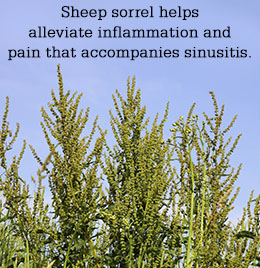
Sheep sorrel (Rumex acetosella), also called sour dock, sour grass, or red top, is a pervasive perennial of the northern hemisphere. A buckwheat family member, it thrives in acidic, sandy soils—heaths, woodlands, grasslands, roadsides, even abandoned mines. Don't confuse with Jamaican sorrel (Hibiscus sabdariffa), which lacks its medicinal properties.
Arrow-shaped leaves (~1 inch), slender reddish stem (18–24 inches). Yellowish-green male flowers, reddish female flowers (March–Nov). Red fruits. All parts medicinal; leaves and root powder most used.
Used in moderation, sheep sorrel can enhance health. Consult a physician for proper dosage.
Disclaimer: Informational only. Not a replacement for physician/nutritionist advice.
Beets: Nutritional Powerhouse with Surprising Health Benefits
Gentian Root: The Ultimate Bitter Digestive Tonic & Immune Booster
Chicory Root Side Effects: What You Need to Know Before Using This Coffee Substitute
Eyebright Benefits: Natural Eye Care, Memory, Liver & Skin Support
Rhodiola Rosea: Adaptogenic Benefits for Stress, Energy, and Cognitive Function
Senna Leaf: Laxative Benefits, Risks, and Safe Usage Guidelines
Dong Quai Side Effects: Hormonal Risks, Photosensitivity, and Drug Interactions
Homedics Rock Garden Fountains: Where Design Meets Wellness
Chamomile Herb Side Effects: Allergies, Drowsiness & Drug Interactions
Pau d'Arco: Ancient Rainforest Remedy with Modern Health Potential
Barberry: The Vitamin C-Rich Berry with Powerful Antimicrobial & Metabolic Benefits
Sage (Salvia Officinalis): Cognitive, Digestive, and Antimicrobial Benefits
Herbal Supplement Risks: Bleeding, Interactions, Hepatotoxicity, and Quality Concerns
Copyright © www.100flowers.win Botanic Garden All Rights Reserved