


After years teaching soil science through Oregon State University's Extension program and experimenting on my own half-acre southern Oregon garden, I wrote Building Soil: A Down-to-Earth Approach to share what actually works. Here are my top ten strategies for creating light, fluffy, life-filled soil.
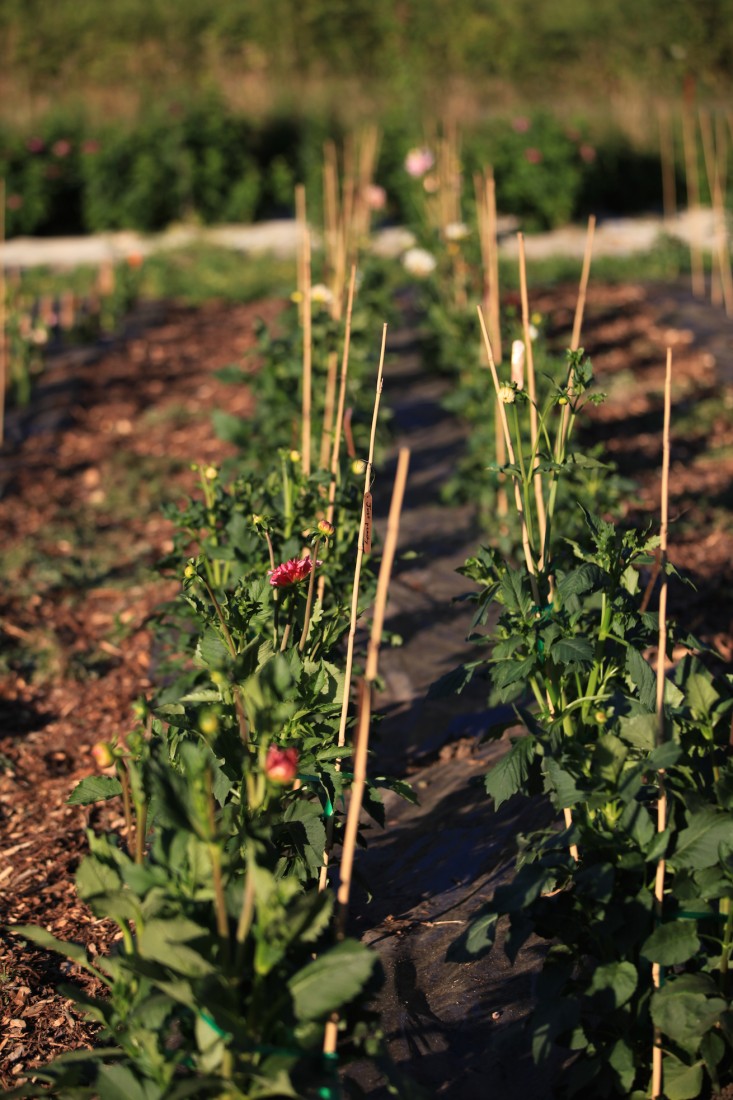
Above: Florist Clare Day raises organic flowers on her 12-acre farm in British Columbia. See more at Organic Flowers at Red Damsel Farm.
Spring wakes billions of soil organisms that recycle nutrients, capture water, improve tilth, and suppress pests. Like us, they need food, water, shelter, and air. Autumn is the prime season to start—fallen leaves, garden debris, kitchen scraps, and windfall fruit are abundant. Chop materials into the top 2 inches with a heavy hoe, cover with mulch, and add concentrated manures, mineral phosphorus, potassium, and lime. Fall application gives them months to break down before spring planting.
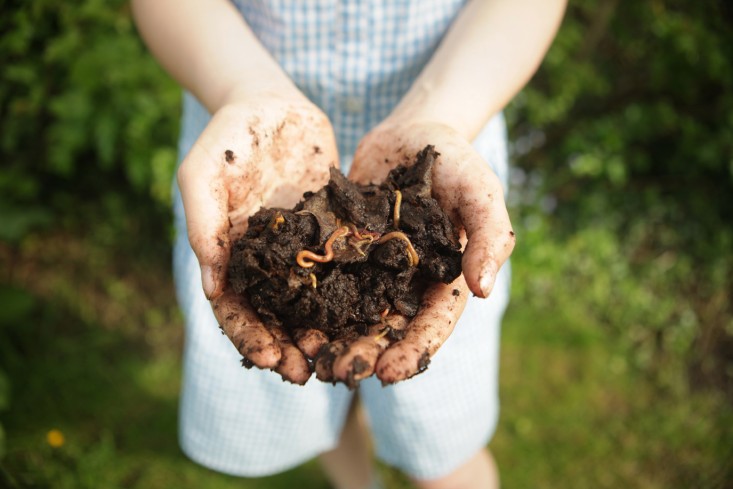
Above: Photograph by Jim Powell for Gardenista. For more: DIY Composting: A Man Obsessed.
Skip the rototiller. Sheet mulching builds compost right on the soil surface: cardboard to smother weeds, then alternating 2–4 inch green and brown layers. Worms tunnel through, aerating the soil and depositing nutrient-dense castings. For new gardens, start a year ahead; for existing beds, a few months. It maximizes nutrients, smothers weeds, and keeps soil life undisturbed.
Above: Photograph via Crystal Liepa Photography.
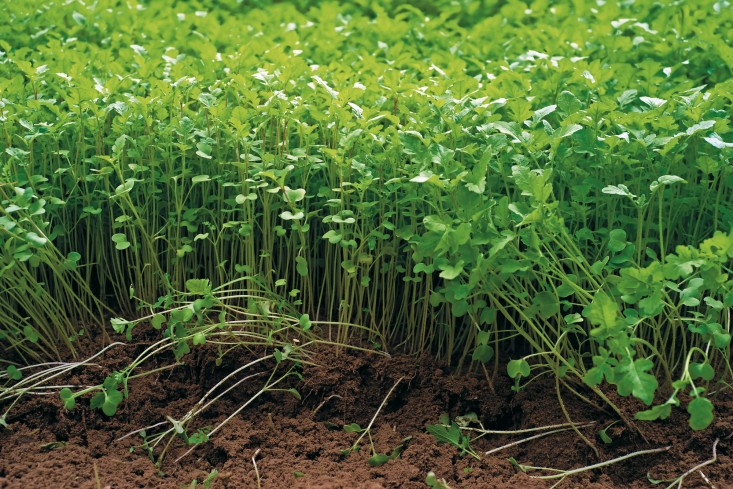
Green manures—buckwheat and phacelia in summer; vetch, daikon, and clovers in fall—add organic matter, loosen structure, and enrich nutrients. They also shelter soil and suppress weeds off-season. Chop overwintered covers into spring soil weeks before planting. Mid-season, sow quick-growing buckwheat between crops, then use it as mulch for fall beds.

Above: Soil Test Kit, $18.50 from Basic Science Supplies.
Indispensable for new gardens or declining health. Test in late summer or early fall; send samples to a certified lab (find one via NAPT) for precise fertilizer and lime recommendations.
Above: Photograph by Justine Hand.
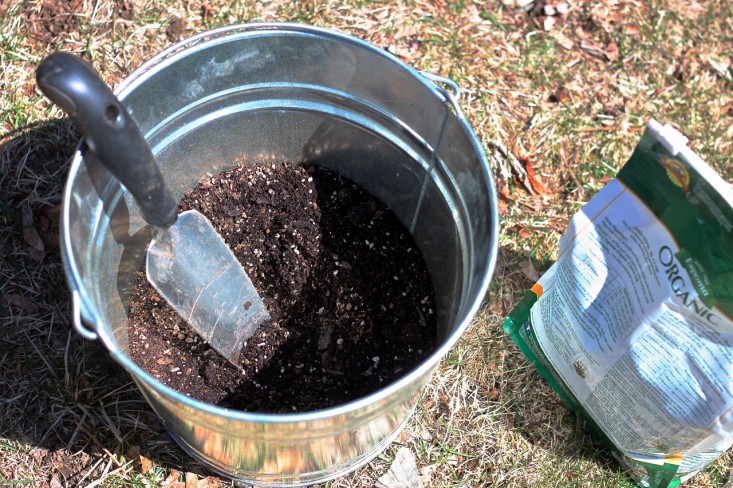
Mature organic soil recycles most nutrients, but new gardens need organic fertilizers and lime for the season ahead. Missed the fall window? Add them weeks before spring planting. Use soil test results to guide choices; a complete organic fertilizer mix from your garden center works for general purposes. Scratch into top 2 inches for vegetables; for perennials, spread around plants, water lightly, and mulch.
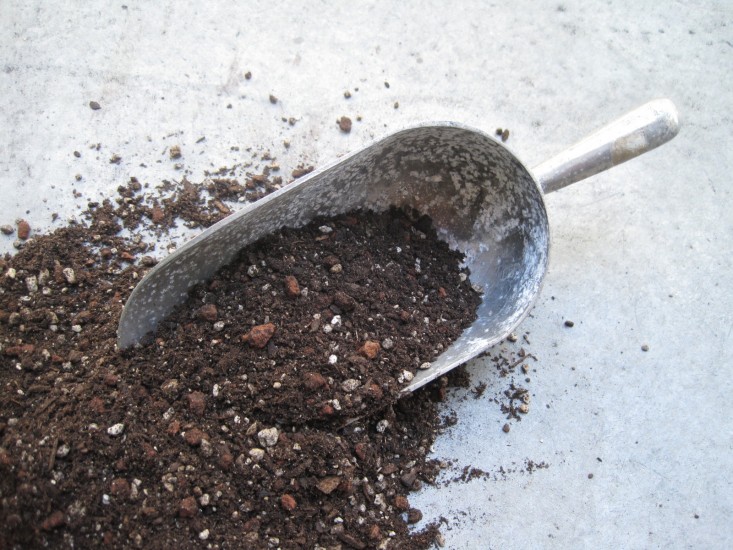
Above: Photograph by Erin Boyle.
Nitrogen feeds both plants and soil organisms, and it's often scarce even in built-up soil. Before planting yearly, tally your sources: blood/seed/feather meal, legume cover crops, manures, or green grass clippings. Compost alone doesn't supply enough—supplement when using it as an amendment.
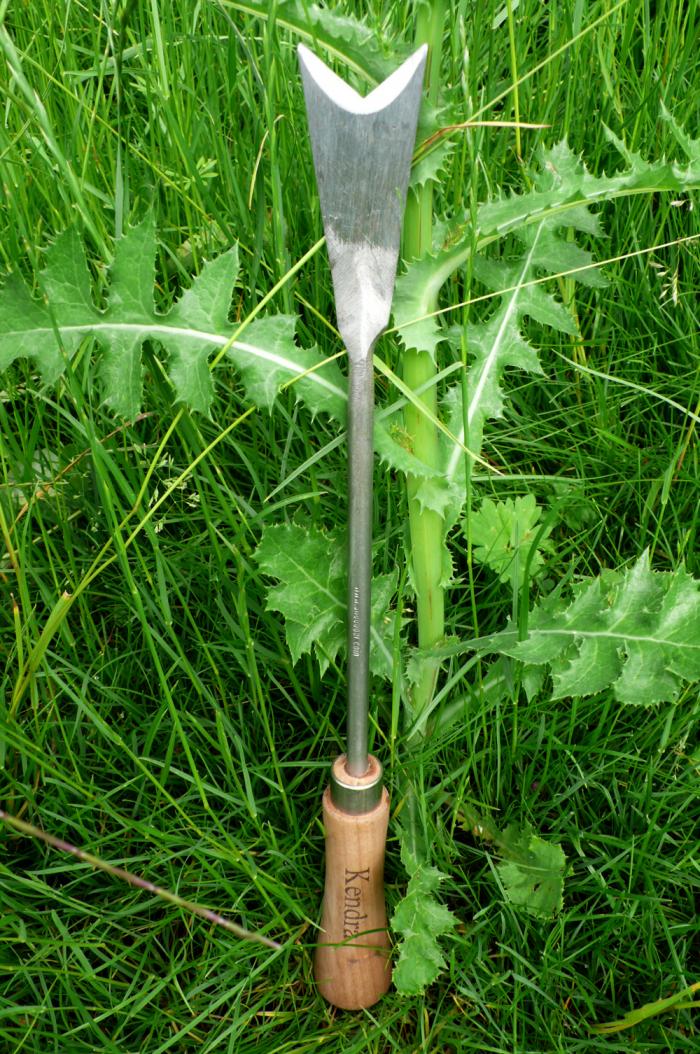
Above: Photograph by Michelle Slatalla.
Fall mulching gives a head start on spring weeds. Pull early emergents when small; if not aggressively spreading, lay them back and cover with 2–4 inches of organic mulch. You'll suppress weeds while feeding the soil.
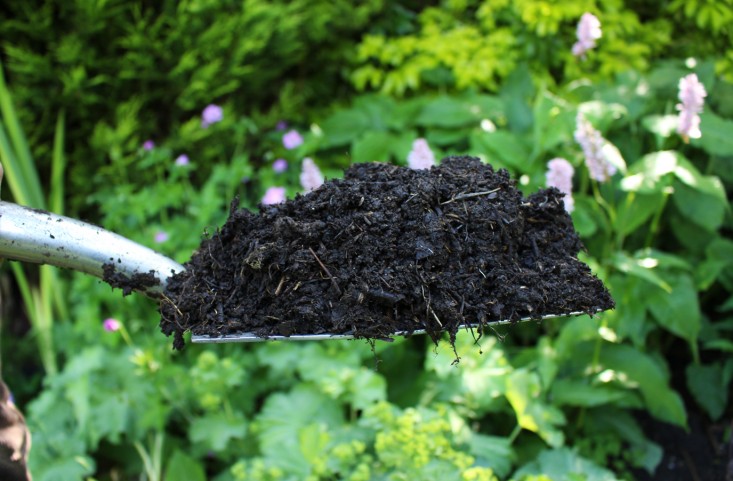
Above: Photograph by Jim Powell for Gardenista.
Winter prunings, hedge trimmings, and perennial cuttings are free soil amendments. Chip woody debris for mulch; use green material as nitrogen-rich sheet mulch layers. Softer cuttings work as mulch, sheet compost, or bed amendments. I chop and drop right beneath the source plants—mimicking nature's litter fall.
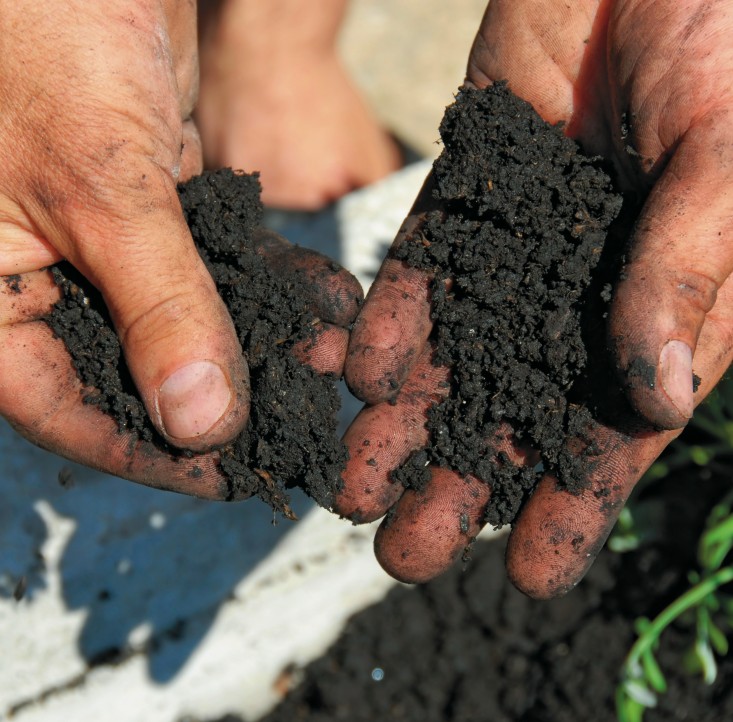
Above: Photograph via Crystal Liepa Photography.
What you don't do matters as much as what you do. Digging, walking, or tilling wet clay soil compacts it, squeezing out air that roots and organisms need. Test readiness: squeeze a handful. If water drips, wait a week. A sturdy ball or shiny clay ribbon means it's still too wet.
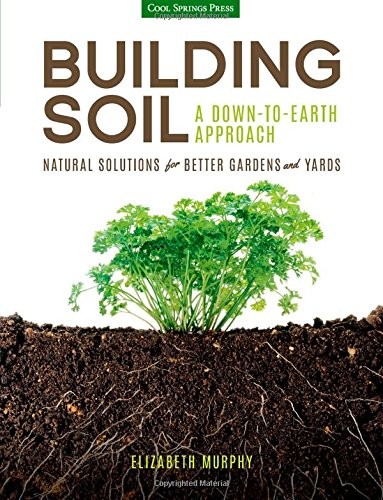
Above: Building Soil: A Down-to-Earth Approach, $17.81 at Amazon.
Soil care isn't a spring sprint—it's a year-round rhythm. Feed, protect, and disturb less.

Why Are There No Earthworms in My Garden?
Potting Soil vs. Garden Soil for Containers: What's the Real Difference?
Revitalizing Your Vegetable Garden: Soil Preparation for a Fresh Start
Preventing Midsummer Garden Decline with Fall Soil Prep
Growing Melons: Sweet Summer Rewards for Patient Gardeners
Garden Soil 101: Texture, pH, and How to Improve Your Soil
French-Intensive Vegetable Garden: Double-Dug Beds for Maximum Yield in Minimal Space
Accidental Human Waste in the Garden: Why a Single Incident Poses No Lasting Risk
Potting Soil vs. Garden Soil for Wind-Prone Hibiscus
Soil Acidity on Long Island: Test Before You Lime
How to Create a Thriving Flower Garden at Home
Buying Bulk Garden Soil in the Atlanta Area
Fixing a Failed Garden: Ditch Cheap Topsoil, Amend With Conditioner, Lime, and Fertilizer
Copyright © www.100flowers.win Botanic Garden All Rights Reserved