


Trimming trees—especially large species like oaks—requires the right equipment, proper timing, and a solid understanding of safety. Fall and winter are ideal seasons for most tree work, as dormant trees heal faster and disease-carrying insects are less active. This guide breaks down the main types of tree trimming saws, professional vs. consumer models, and essential safety practices.
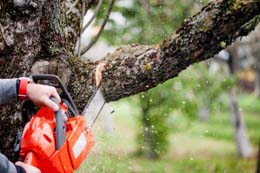
Pruning at the wrong time can invite pests and disease. For oak trees, avoid April through July—fresh cuts attract sap beetles that spread oak wilt fungus. Late winter to early spring is best for most deciduous trees, while flowering species should be trimmed right after blooming. Always research species-specific timing before cutting.
These offer maximum power and mobility for heavy, frequent use. They're louder, heavier, and require more maintenance (fuel mixing, spark plugs, air filters), but handle large limbs and thick trunks with ease. Best for rural properties or professional crews where noise isn't a concern.
Lighter, quieter, and zero-emission, corded electric saws are ideal for light-to-medium yard work. They start instantly, need minimal upkeep, and cost less upfront. The tether limits range, so they're best for smaller properties near power outlets. Always use a heavy-duty outdoor-rated extension cord.
Essential for reaching branches 10–20 feet overhead without a ladder. Available in gas, electric, and battery-powered versions. A typical pole saw extends 8–14 feet; some accept extension poles for greater reach. They're lighter than full-size chainsaws but less powerful—suitable for limbs up to 6–8 inches in diameter.
Professional saws feature heavy-duty chains, high-torque engines, and reinforced components built for daily, all-day use. They demand skill to control—especially managing kickback (the sudden upward throw when the chain's tip contacts wood). Only trained operators should use them.
Consumer saws carry ANSI B175.1 low-kickback chains and reduced kickback bars, making them safer for occasional users. They're lighter, less powerful, and designed for intermittent residential tasks like limbing, pruning, and small tree removal.
If the job involves large trees, proximity to structures or wires, significant height, or if you lack experience—hire a certified arborist. The cost is far less than potential injury, property damage, or improper pruning that harms the tree long-term.
Identifying and Managing Slime Flux (Bacterial Wetwood) in Mature Cottonwoods
Redwood Top Dieback: Internal Decay, Monitor for Hazard
Persimmon Seedling Timeline: Fruiting Age and Pollination Biology
Why Wild Persimmon Trees Don't Fruit: Sex Ratio
Renovating Overgrown Apple Trees: Drop-Crotching vs. Topping
Trimming and Re-rooting Indoor Yucca (or Dracaena) Trees
Propagating Sycamore: Seeds Work, Cuttings Don't
Why a Bearss Lime Tree Won't Bloom
Pruning a Leggy Rubber Tree (Ficus elastica) for Bushier Growth
Mini Trees for Florida: Conifers, Palms & Flowering Shrubs
Saving Freeze-Damaged Jacaranda Trees in Riverside, CA: When to Prune and When to Call an Arborist
Cottonwood Seedlings: Transplant Only If Seed-Grown, Not Root Suckers
Copyright © www.100flowers.win Botanic Garden All Rights Reserved