


Cottage gardens thrive on serendipity, but pure randomness is hard to plan. The solution? Plant alphabetically. It delivers a naturalistic look with a hidden organizational backbone.
Arrange plants by botanical name (or cultivar name for same-species collections) left-to-right or front-to-back. The result looks random—colors, heights, bloom times mixed—but you always know what's where, even if labels disappear.
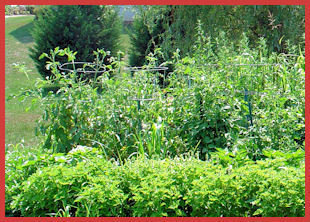
Heirloom tomato row: 12+ varieties alphabetically across the vegetable garden. A delicious yellow tomato at the left end? Must be 'Brandywine Yellow,' not 'Olga's Round Yellow Chicken.'
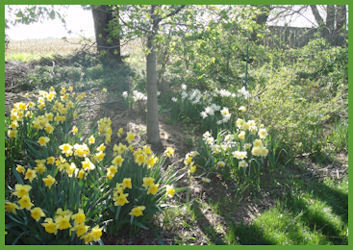
Daffodil border: Dozens of varieties ordered alphabetically. Naturalized drifts with staggered bloom and color—no contrived patterns. Popped-out markers? Easy to replace: early yellow near left = 'February Gold'; far right = 'St. Keverne.'
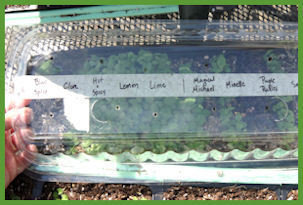
Seed sowing: Start tomato, basil, and other multi-variety crops in alphabetical rows. If labels fall off, the master list restores order. Rib takeout trays (Sam's Club) make perfect multi-row starters.
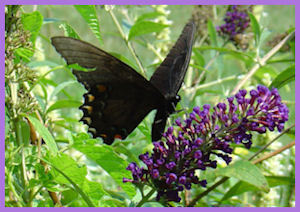
Use the alphabet to limit choices: an "ABC Butterfly Bed" allows only A, B, C genera (Agastache, Buddleia, Asclepias 'Cinderella', Bronze Fennel). Zinnias got their own cutting bed instead.
Sun/shade, height, and bloom time still guide placement. Alphabetical planting is a tool for when decisions paralyze or plans overcomplicate—a simple system that frees the garden to look wild while keeping the gardener grounded.
Photos by Jill M. Nicolaus. Hover images for captions.
Planting Winter-Flowering Clematis and Heather in Winter
Using Coffee Grounds as Fertilizer for Acid-Loving Plants
Landscaping Design Basics: 6 Principles for Beginners
Best Plants for New Gardeners: Start Simple, Grow Confident
Easy Vegetables for Beginner Gardeners: A Simple Guide to Your First Harvest
Vegetable Garden Tips: Reduce Work, Increase Enjoyment
Halloween Garden Décor: Themed Ideas for a Festive, Not Frightening, Display
Best Indoor Plants for Easy Care and Beautiful Displays
Mulching Your Vegetable Garden: Materials, Methods, and Benefits
Alliums for the Flower Garden: Graceful, Deer-Resistant Perennials
Creating a Naturalistic Informal Water Garden
Fall Vegetable Garden: What to Plant and When for a Second Harvest
Basil Varieties for the Garden: Flavors, Folklore, and Growing Tips
Copyright © www.100flowers.win Botanic Garden All Rights Reserved