


1. Home
  2. Question and Answer
  3. Houseplants
  4. Garden Articles
  5. Most Popular Plants
  6. Plant Nutrition

Fascinating Facts About Tulips You Didn't Know

Tulips are the world's third most popular flower (after roses and chrysanthemums), but there's far more to them than meets the eye. From their turbulent history to botanical quirks, here are 15 intriguing tulip facts.
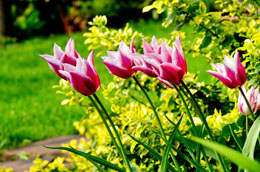
Field of tulips in Holland

15 Surprising Tulip Facts

  1. Botanical lineage: Kingdom Plantae, Order Liliales, Family Liliaceae, Genus Tulipa. They're relatives of lilies—and onions.
  2. 3,000+ registered cultivars across 15 official divisions based on bloom time, parentage, and flower form.
  3. Holland dominates global production, exporting billions of bulbs annually. The Keukenhof Gardens showcase 7 million bulbs each spring.
  4. Native range: Central/West Asia (Tien Shan, Pamir mountains), not Holland. Brought to Europe in 1550s via Ottoman Empire.
  5. Tulip Mania (1636–37): First recorded speculative bubble. Single bulbs sold for prices equal to Amsterdam canal houses.
  6. Flower anatomy: Typically 1 flower/stem (some multi-flowering), 6 tepals (3 petals + 3 sepals), 2–6 leaves (up to 12 in some species). Height: 4–28 inches.
  7. Bloom seasons: Early (March–April), Mid (April–May), Late (May). Categories include Single Early, Triumph, Darwin Hybrid, Parrot, Lily-flowered, Fringed, Viridiflora, etc.
  8. Forced blooming: Bulbs chilled 12–16 weeks at 35–45°F to simulate winter, then brought into warmth for early indoor flowers.
  9. National flower of Turkey (alongside the red rose).
  10. "Queen of Night" – a near-black, deep purple cultivar, among the most famous tulips ever bred.
  11. Red is the top-selling color globally, but purple/black varieties command premium prices.
  12. Edible bulbs: During WWII Dutch famine, tulip bulbs were eaten (carefully prepared—some parts toxic).
  13. Vase life: 3–7 days. Re-cut stems, use cold water + floral preservative, keep cool.
  14. Pests: Squirrels, voles, deer love bulbs. Protect with wire mesh, repellents, or interplant with daffodils (toxic to rodents).
  15. Name origin: From Persian delband ("turban"), either for flower shape or use as turban decoration.

Why We Love Them

Tulips combine geometric perfection, intense color, and a fascinating history. Whether in a vast Dutch field or a single vase, they remain a universal symbol of spring's renewal.

Copyright © www.100flowers.win Botanic Garden All Rights Reserved