Star of Bethlehem (Ornithogalum umbellatum) is a spring-blooming perennial bulb bearing clusters of white, six-petaled stars with green stripes on the reverse. While charming in bloom, it's notorious for aggressive spreading—earning the nickname "Florist's Nightmare" for its tenacity. Understanding its growth habits is key to enjoying it without regret.
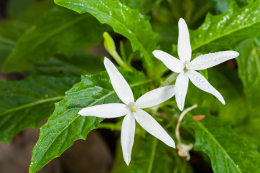
Botanical Profile
- Botanical Name: Ornithogalum umbellatum
- Family: Asparagaceae (subfamily Scilloideae)
- Common Names: Star of Bethlehem, Wonder Flower, Arabian Star Flower, Nap-at-Noon, Florist's Nightmare
- Type: Perennial bulb
- Native: Mediterranean, Europe, NW Africa
- Height: 6–12" (flower spikes to 10")
- Bloom: Late April–May
- Flowers: 12–30 per spike; white with green midrib on reverse; open morning, close evening
- Foliage: Basal, linear, arching, white midrib; emerges winter, dies back summer
- Zones: 4–9
- Toxicity: All parts contain cardenolides—toxic to humans, pets, livestock.
Growth Habit & Invasiveness
- Spreads rapidly by bulb offsets and seed.
- Forms dense colonies that outcompete native spring ephemerals.
- Waxy leaves resist herbicides (glyphosate ineffective).
- Difficult to eradicate: requires digging every bulb.
- Listed as invasive in several U.S. states (check local status).
Cultivation (If You Choose to Grow It)
Site Selection
- Light: Full sun to part shade. Deep shade reduces flowers.
- Soil: Well-drained; adapts to various types.
- Containment: Essential. Plant in bordered beds, containers, or areas bounded by hardscape. Avoid lawns, woodland edges, perennial borders.
Planting
- Fall planting (Sept–Nov) for spring bloom.
- Depth: 3–4"; spacing: 4–6".
- Water well after planting.
Maintenance
- Water during active growth (winter–spring); dry in summer dormancy.
- Deadhead to prevent seeding (snip spent spikes).
- Divide congested clumps every 3–4 years in summer (dormant).
- Monitor boundaries; remove escapes promptly.
Eradication (If It's Unwanted)
- Dig deeply when foliage is visible (spring); remove ALL bulbs and bulbils.
- Sift soil to catch tiny offsets.
- Repeat for 2–3 years—missed bulbils will resprout.
- Do not compost—dispose in trash.
- Solarization (clear plastic, 6–8 weeks summer) may help in open areas.
Cut Flower Care
- Harvest when lower flowers open.
- Recut stems underwater.
- Use floral preservative + biocide (bleach: 6–8 drops/quart).
- Anti-ethylene treatment (STS, EthylBloc) prevents stem bending (geotropism).
- Cold storage (34–36°F) extends vase life to 2+ weeks.
Symbolism
- Biblical: Named for the Star of Bethlehem guiding Magi (Matthew 2). Symbol of divine guidance, hope, revelation.
- Purity & Atonement: White flowers = innocence, reconciliation.
- Etymology: Ornithogalum = Greek ornis (bird) + gala (milk) = "bird's milk"—ancient term for something wondrous.
- South African Name: Tjenkenrientjee → "Chincherinchee" (commercial cut flower name).
Safer Alternatives for White Spring Stars
- Spring Starflower (Ipheion uniflorum): Clump-forming, non-invasive, fragrant, blue/white.
- Glory-of-the-Snow (Chionodoxa): Early, self-sows gently.
- White Daffodils (Narcissus): Reliable, deer-proof, long-lived.
- Snowdrops (Galanthus): Earliest, delicate, well-behaved.
Star of Bethlehem's beauty is undeniable, but its thuggish nature demands respect. Grow it only with strict containment—or choose a well-mannered lookalike for peace of mind.


