


Love flowers but hate the sneezing, itchy eyes, and congestion? Pollen allergies don't mean a flowerless life. Many beautiful plants produce minimal or heavy (non-airborne) pollen. Here's your guide to hypoallergenic gardening—plus what to avoid.
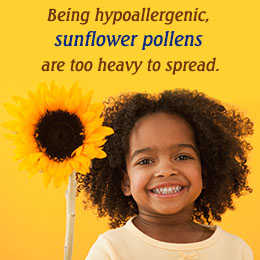
Wind-pollinated plants release light, abundant pollen that travels far. Insect-pollinated plants have heavier, stickier pollen that stays put—making them better choices. Bright colors often signal insect pollination (good), but not always. Tip: Wash plant leaves regularly—dust mimics allergy symptoms.
All images preserved from source.
Note: Dioecious species (separate male/female plants)—choose female cultivars to avoid pollen entirely.
Chrysanthemums, Daisies, Chamomile, Goldenrod—highest pollen counts. Also avoid ragweed, amaranth, pigweed, and wind-pollinated grasses/trees (oak, birch, cedar).
With smart selections, your garden can be a sanctuary of color and fragrance—without the tissues.
Holland: The Land of Tulips, Windmills & Floral History
The Philippine Flower Industry: Evolution, Challenges & Global Aspirations
The Meaning Behind Mother's Day Flowers: Colors & Traditions
Growing Flowers in the Philippines: Tropical Climate & Greenhouse Solutions
Choosing the Most Popular Flowers for Your Garden
Top 10 Annual Climbing Vines for Quick Color and Coverage
Everlasting Flowers: Growing, Drying, and Designing with Blooms That Last
The Language of Flowers: Symbolism and Significance
The Truth About Flowers: Biology, Uses, and Cultural Power
Jacaranda: The Spectacular Flowering Tree of Spring
Popular Garden Flowers: Stokes Aster, Calla Lily, Daffodil, Black-Eyed Susan, Gerber Daisy
National Flowers of the World: A Complete Country-by-Country Guide
The Distance Flowers Travel: From Global Farms to Your Vase
Designing with Annuals: Color, Texture, and Site-Smart Choices
Copyright © www.100flowers.win Botanic Garden All Rights Reserved