


Shade doesn’t mean a garden death sentence. Some of the world’s most enchanting gardens thrive in partial to deep shade—the secret is choosing the right plants. Here are seven stunning, reliable performers that will turn your shady spots into showcases.
A cascading, bamboo-like grass that glows chartreuse-gold in shade. Forms neat mounds 18 inches tall and wide. Deer-resistant, loves moist soil, and pairs beautifully with blue-green hostas. Avoid full sun, where it can become aggressive.
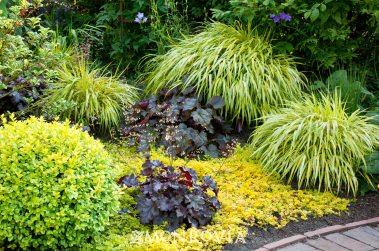
A tough, fast-spreading groundcover for dry shade. Whorls of bright green leaves topped with delicate white flowers in May–June. Fragrant (smells like fresh hay when dried), deer-resistant, and quickly carpets difficult areas.
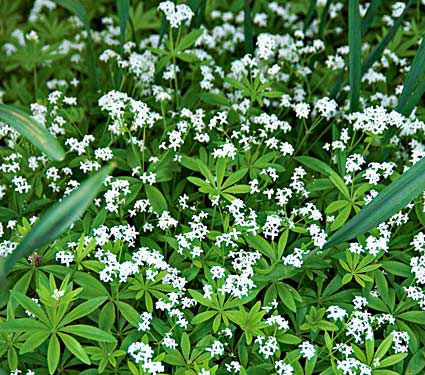
Evergreen to Zone 5, with exquisite, cup-shaped flowers in pink, red, white, green, near-black, and even yellow—blooming in late winter to early spring! Low-growing (12 inches), rabbit-resistant, and long-lived. A shade-garden essential.
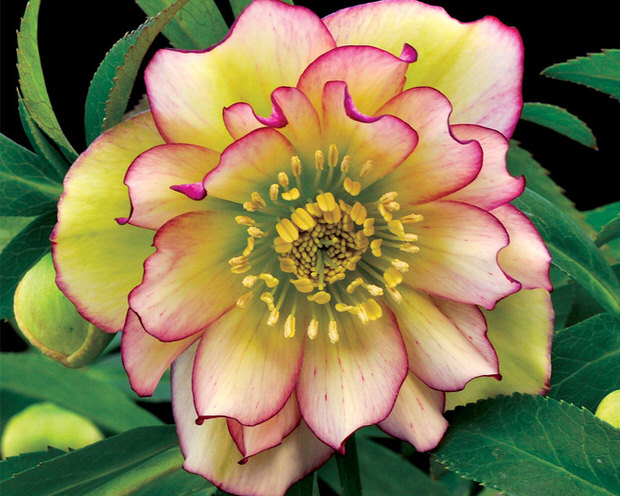
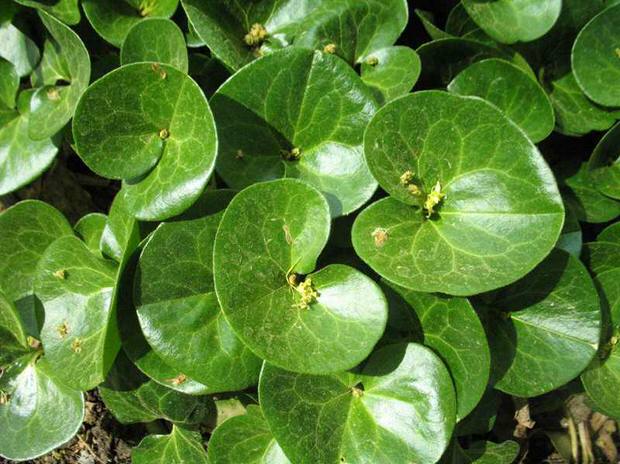
Grown for its glossy, heart-shaped or elongated leaves—often marked with silver or white. Slowly spreading, evergreen in most climates, thriving in rich, moist soil. Flowers are hidden but intriguing. A native plant noted by Lewis and Clark!
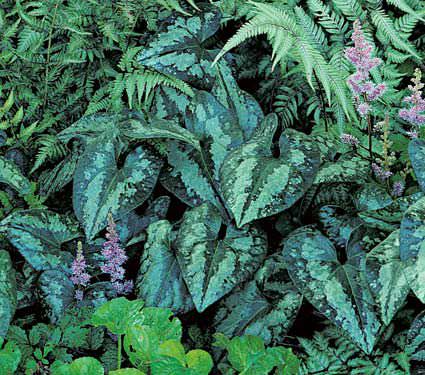
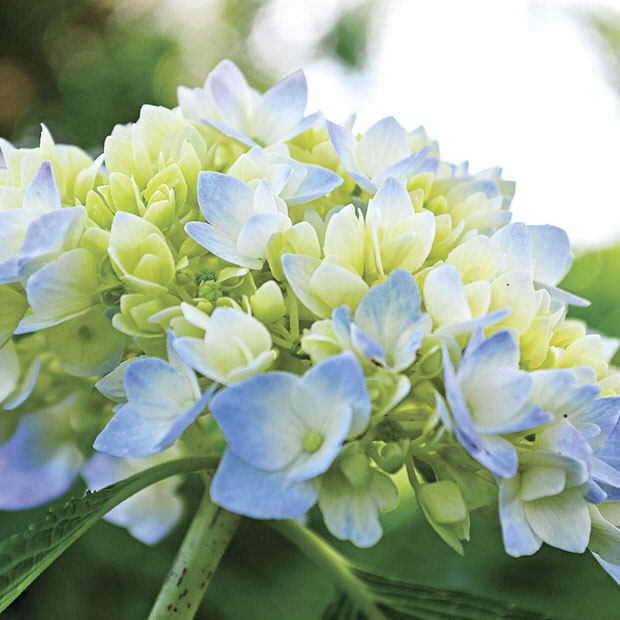
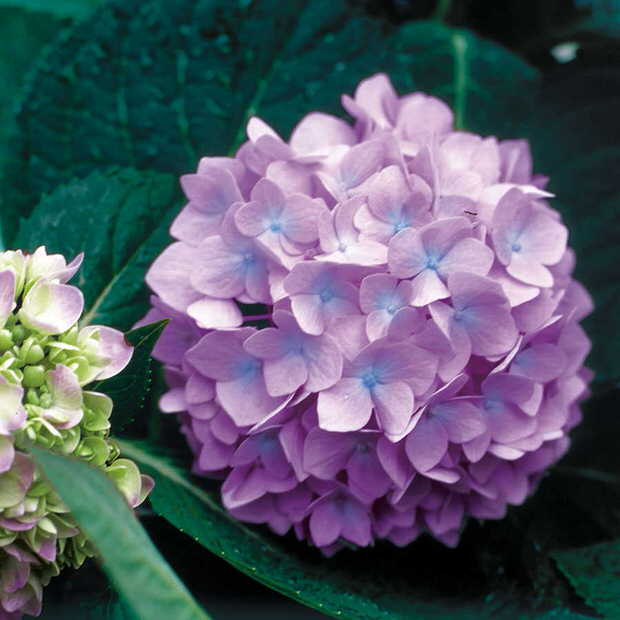
A breakthrough: blooms on both old and new wood, flowering all summer even in northern zones. 3–5 feet tall and wide, with massive 8–10 inch mophead flowers. Prefers partial to dappled shade; afternoon shade essential in the South.
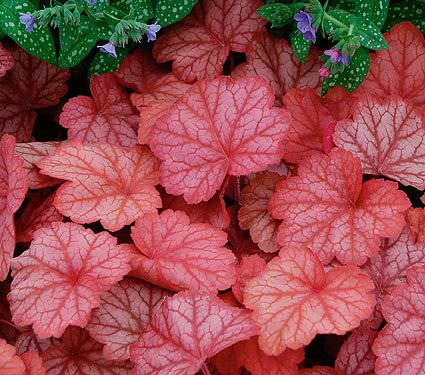
Foliage stars—leaves in silver, purple, red, bronze, or green—with airy spikes of pink or white flowers in summer. 12–24 inches tall and wide. Give afternoon shade in hot climates, especially for vivid colors. Keep consistently moist.
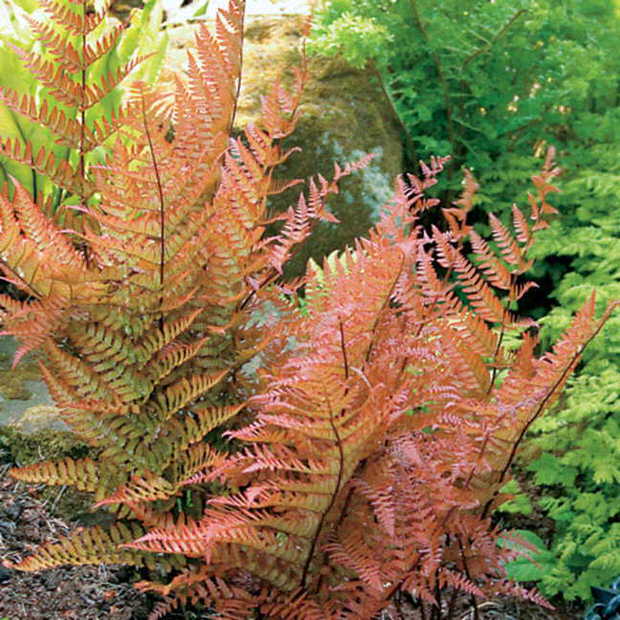
Perhaps the perfect shade fern: evergreen, 2-foot fronds that change color with the seasons—coppery in spring, deep green in summer, fiery orange in fall. Thrives in even deep shade, under trees, and once established, tolerates neglect. Hard to beat.
What’s your go-to shade plant? Let us know in the comments!
Whiteflies Killing Potted Annuals on Screened Porch
Unisexual Flowers and Self-Pollination: Monoecious vs Dioecious
Eugenia Dieback: Systemic Atomic Grow for Vascular Cleansing
Transplanting a Gift Azalea Outdoors: Timing and Care Tips
Best Plants for Clay Soil and Planting Size Advice
Why Won't My Venus Flytrap Close? The Critical Role of Light
Rescuing Sarracenia from Fungal Rot: Radical Rhizome Surgery and Rehabilitation
Reviving an Aging Drosera capensis: Cut Back & Propagate
Carnivorous Plants for Mosquito Control in Hot Climates: Reality Check
Choosing Sarracenia for Northeast Iowa and Finding Wild Populations
Rescuing a Nepenthes from Full Sun: Proper Light and Acclimation
Copyright © www.100flowers.win Botanic Garden All Rights Reserved