


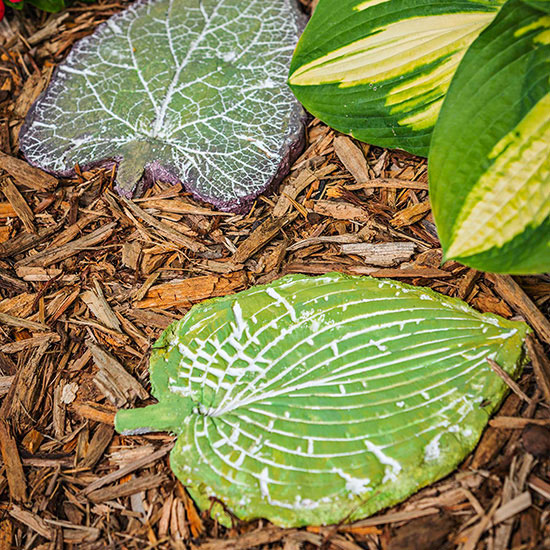
Nature makes wonderful patterns that easily transfer to concrete. We used a hosta leaf, but any large leaf works. Use the underside—veining is more pronounced and dramatic. Keep concrete inside leaf outline; overflow sticks and hardens to cardboard.
Time: 2 hours
Cost: $
Skill: Level 2
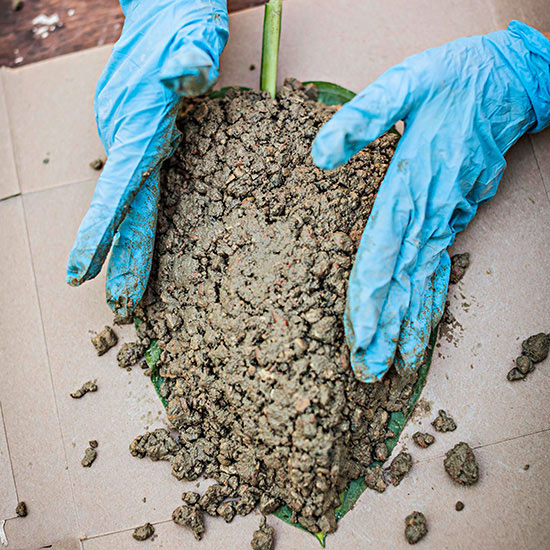
Lay large hosta leaf upside down on cardboard. Wearing rubber gloves, carefully mound and shape concrete.
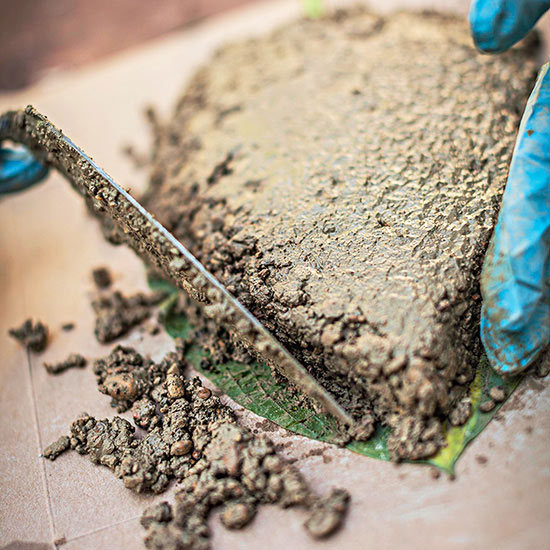
Use trowel to cut and shape concrete. Keep mix within leaf edges.
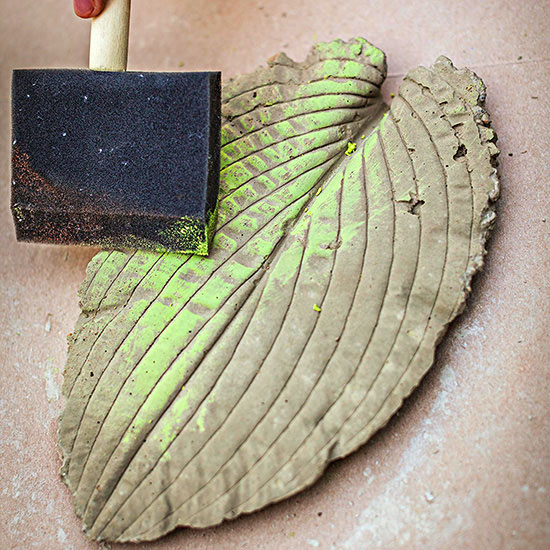
Allow concrete to dry to touch, then remove leaf. Allow to cure. Paint leaf stone to match natural counterpart. Seal if desired.
Easy Release: Spray mold with cooking spray before filling. Pull mold edges away from concrete before turning over. Tapping bottom may help.
Curing: After drying, remove from mold but it's not ready for finishing—must cure several days to a week depending on concrete type and weather. Follow manufacturer's instructions for best results.
Stabilizing Crushed Granite Joints: Polymer vs. Concrete Mix
Grass vs. Mulch Around Stepping Stones: Drainage, Maintenance, and Appearance
Concrete Design Ideas: Stamped, Tiled & Decorative Accents
Rock Garden Design: Creating Naturalistic Stone Landscapes
Designing with Paving Stones: Patterns, Materials, and Installation for Beautiful Patios
Building Concrete Streams: Construction & Flow Design
7 Essential Questions to Ask Before Installing Stepping Stones
Leaf Miner Control on Serviceberry: Systemic Insecticides and Sanitation
Creating a Curved Colored Concrete Walkway: Forming, Coloring, and Finishing Options
Managing Leaf Miners on Roses: Organic and Chemical Options
Rare Mutation: Two Pitchers on One Nepenthes Leaf
Top 10 Reasons to Choose Paving Stones
Copyright © www.100flowers.win Botanic Garden All Rights Reserved