


Transform your yard into a haven for feathered visitors with these simple strategies:
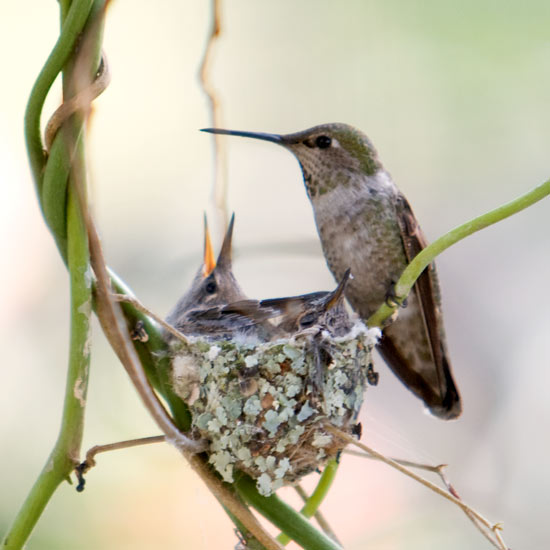
Go organic.
Avoid pesticides and herbicides entirely.
Establish multiple habitats.
Birds thrive where two or more habitats meet; create several distinct zones in your yard.
Save deadwood.
Leave standing dead trees (if safe) and allow wood to decay naturally in designated woodland areas.
Provide a refuge.
Build a brush pile at the transition between woods and open space for cover from predators.
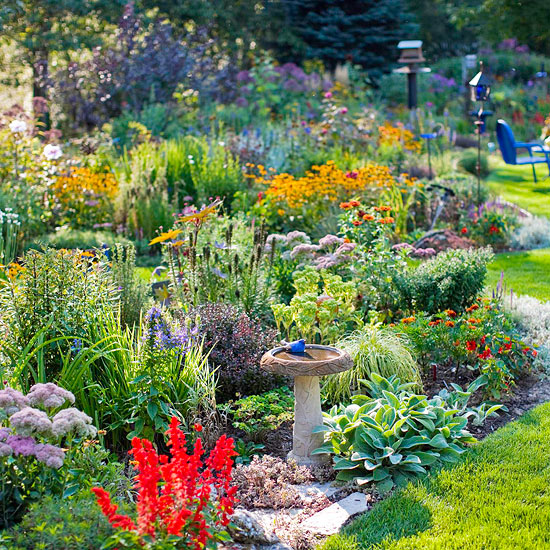
Plant in multiples.
One bird‑friendly plant helps, but groups of five, seven, or nine provide far more food and shelter.
Skip weeding in spots.
Allow weeds to go to seed in an out‑of‑the‑way corner; birds will feast on the bounty.
Provide grass at varying heights.
Let some areas grow long for shelter; mow others short to help ground‑feeders hunt worms.
Spread seeds.
Collect seed heads from plants like coreopsis and Rudbeckia and scatter them in a meadow to boost wildflower seed production.
Recycle pet hair.
Enclose brushed pet hair in suet cages and hang outdoors as nesting material.
Explore more ideas for creating a backyard wildlife habitat.
Discover which berry plants birds love most.
Thrips on 'New Dawn' Climber: Low Threat, High Nuisance—Control Options
Yellowing Leaves on Indoor Aralia
Reviving Bare-Root Nepenthes: Soaking, Humidity, and Patience
Natural Options for Erectile Dysfunction with High Blood Pressure
Croton Care: Why One Plant Fails While Others Thrive
Autumn Oriental Vegetables: Extending the Greenhouse Harvest into Winter
Park Benches Beyond the Park: Creative Home & Garden Uses
Hazelnut Tree Care: Growing, Pollination & Maintenance
Create Your Outdoor Living Room: Design Tips for a Backyard You'll Actually Use
Landscaping with Livistona Palms: A Grower's Guide
A Hike to Roche-Plate on Réunion Island
Plant Growth Secrets: Mastering Food, Light, and Water for a Thriving Garden
Copyright © www.100flowers.win Botanic Garden All Rights Reserved