


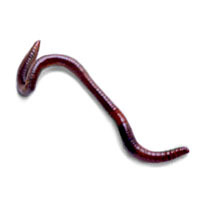
The easiest soil health test: turn a spadeful of earth and count earthworms. Three or four wigglers indicate rich, productive soil. More worms mean better fertility, drainage, and texture.
Earthworms transform organic matter (compost, leaves, manure) into humus and castings—“black gold” for gardeners. Don’t add worms directly; add organic matter to attract them. Work chopped leaves and compost into soil spring and fall. Learn how organic matter helps plants.
Compost Application on Established Lawns: Skip Aeration, Feed Earthworms
Earthworms: Nature's Master Gardeners and How to Attract Them
Premium Topsoil Solutions: Quality Options for Every Gardening Project
Mulch: The Complete Guide to Types, Benefits & Smart Selection
Bonsai Soil: Choosing the Right Mix for Healthy Roots
Soil Drainage: Testing, Types & Solutions for Healthy Gardens
Slow-Growing Tree with Burnt Leaves in Texas Hill Country
Root Rot in Garden Beds: Diagnosing and Treating Soil-Borne Fungal Disease
The Ideal Potting Mix for Container Plants: Peat, Soil, and Ratios Explained
Earthworms: Nature's Original Gardeners
Vermiculture Technology: The Science of Earthworm Farming for Biodynamic Agriculture
Alabama Jumper Earthworms: Will They Aerate Red Clay?
Thousands of Earthworm Mounds: Aeration Bonus, Not Lawn Ruin
Copyright © www.100flowers.win Botanic Garden All Rights Reserved