



Apply a 2-inch layer of organic mulch (shredded wood, pine straw, grass clippings mixed with shredded leaves). It cools soil, conserves moisture, and improves soil structure as it decomposes.
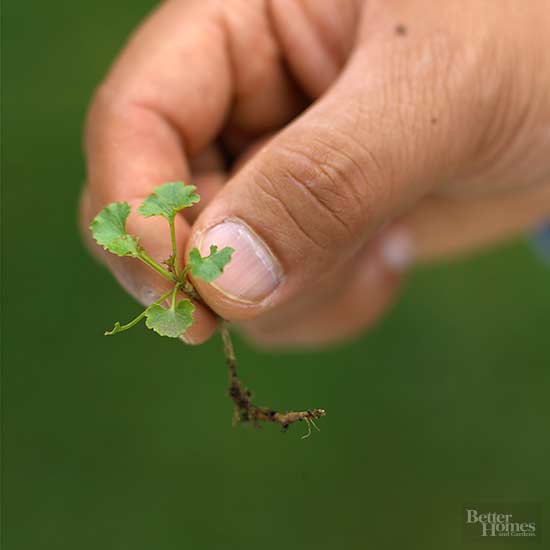
Weeds explode in summer heat. Pull them young, when soil is moist, to stop seed production. A single dandelion makes 2,000 seeds/year; lamb’s quarters 150,000. Early removal saves massive future work.
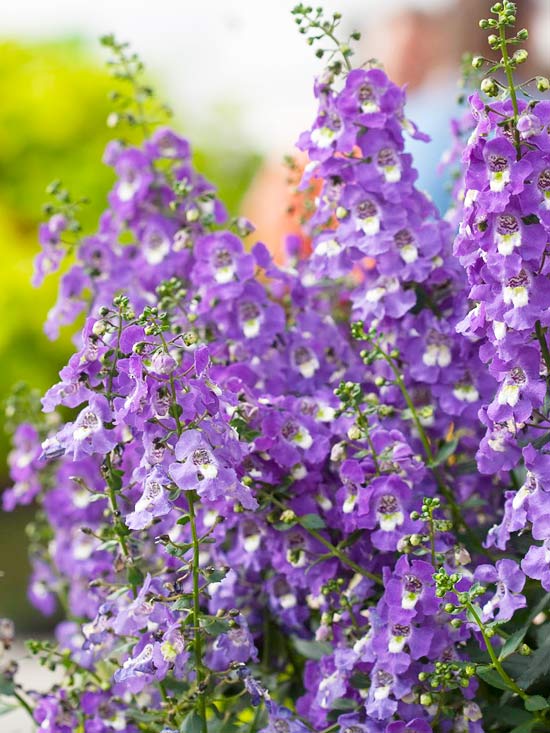
Replace faded spring annuals (pansies, violas) with heat-lovers: angelonia, lantana, ageratum, coleus, pentas, portulaca, salvia, sweet potato vine, zinnia. They grow fast in warmth and deliver instant color. Don’t hesitate to replace any damaged by drought, pests, or disease.
Calla, canna, dahlia—tender bulbs that add drama all summer. Plant after frost danger passes; they grow quickly in warm soil.
Pinch the top 1–2 inches of new growth on mums, sedums, asters, and other fall bloomers up to July 4th. This yields compact, sturdy plants with more (though slightly smaller and later) side-shoot blooms. Other pinchable perennials in May–June: balloon flower, bee balm, goldenrod, Joe Pye weed, perennial sunflower, phlox, Russian sage.
Deadheading prevents seed production, redirecting energy to more blooms. It also curbs aggressive self-seeders like columbine, coneflower, datura, flowering tobacco, larkspur, spider flower.
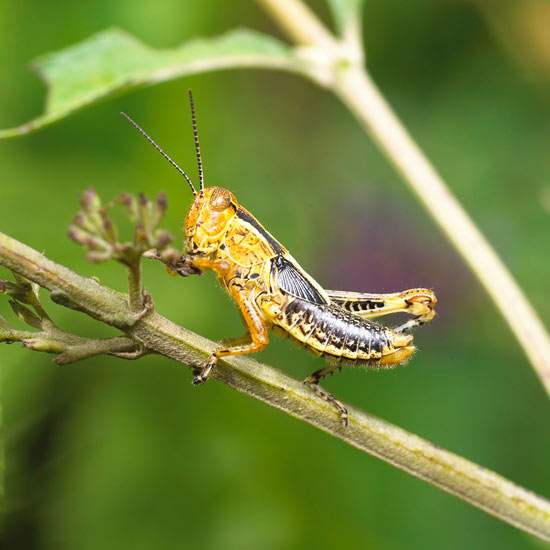
Midsummer brings peak pest and disease pressure. Common issues: black spot, cucumber beetles, grasshoppers, Japanese beetles, powdery mildew, rust, squash bugs, tomato hornworms.
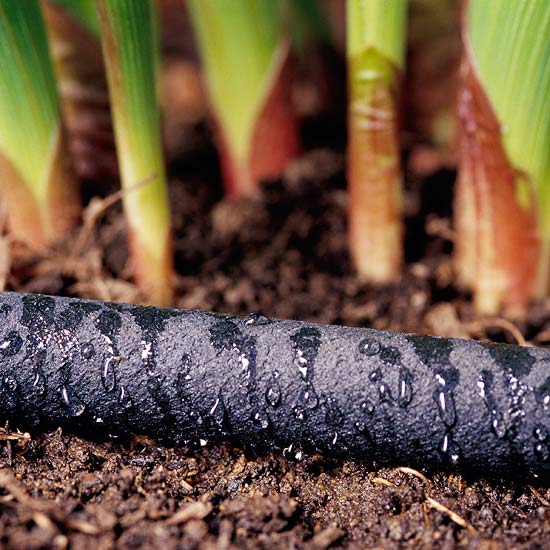
Most plants need ~1 inch of water per week. Apply it all at once to encourage deep roots. Water the soil, not foliage—wet leaves invite disease. Soaker hoses are ideal.
For cool-season grasses (Kentucky bluegrass, ryegrass, fescues), raise the blade. More leaf surface keeps plants healthier in heat and drought.
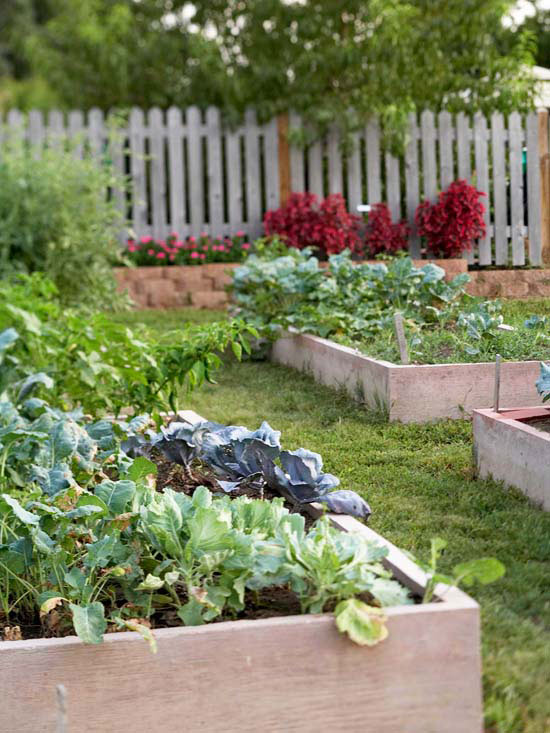
Warm-season crops (tomatoes, peppers, etc.) fade as temperatures cool. Plant cool-season seeds now—broccoli, carrots, kohlrabi, lettuce, spinach—for autumn harvests.
Divide every 3–4 years in summer when dormant to maintain vigor and bloom.
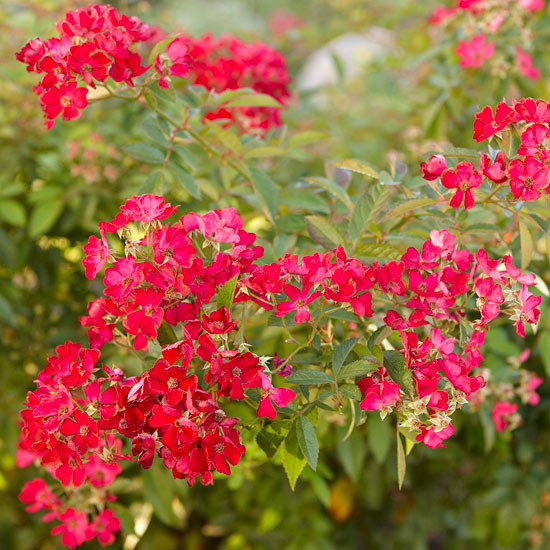
Refresh tired gardens with shrub roses and sterile butterfly bushes (Flutterby, Buzz, Lo and Behold series) for bold August color.
Keep up with picking to encourage continued production and limit pests/diseases. Overripe, rotting fruit attracts insects. Learn preserving and canning techniques for your bounty.
Common Garden Plant Pests and How to Identify Them
Designing Permanent Outdoor Planters for Lasting Garden Beauty
Tiki Garden Plants: Tropical Paradise in Your Backyard
Spring Gardening Checklist: Early, Mid, and Late Season Tasks
Summer Rock Garden Plan: Vibrant Low-Growing Perennials for Sunny Spots
Garden Plant (Ixora) Turning Pale: Iron Chlorosis
Moving a Ficus (Weeping Fig) Outdoors for Summer: Care Guide
Mosquito Management in Woodland Gardens: Habitat Modification Over Planting
Step-by-Step Summer Garden Planting Guide
Design a Summer-Long Flower Garden: Plant List by Bloom Season
Your November Garden Checklist: Regional Tasks for Late Fall
DIY Plant Markers: Creative & Practical Ideas for Your Garden
Copyright © www.100flowers.win Botanic Garden All Rights Reserved