


Late fall colors inspire: flaxen grasses, scarlet maples, sedum. In California, ginkgos go gold and native grapevines turn rust; London plane leaves litter sidewalks. Though November brings turkeys, college football, and midnight Xbox deals, I remember this month is most noted for what's happening outside. Changing leaves signal winter dormancy; fall plantings reap post-frost rewards. Whether in Vermont or Arizona, get outside and tie up loose ends before it's too cold. Rake, plant, prep for winter. Here's what to do in your garden this November.

California | Central Plains | Great Lakes | Mid-Atlantic | Northeast
Pacific Northwest | Rocky Mountains | Southeast | Southwest | Texas
"Keep gathering those leaves," writes landscape designer Karen Chapman. "One beautiful aspect of autumn is the wonderful tapestry of fall leaves woven over several months. Shades of crimson, amber, and gold come and go as each tree and shrub takes its turn. For us, just when we thought we'd finished sweeping, we start over. Consider it your November workout—grab your rake and gather nature's black gold."
Get her Northwest November checklist | 5 Ways to Put Fall Leaves to Work in Your Garden
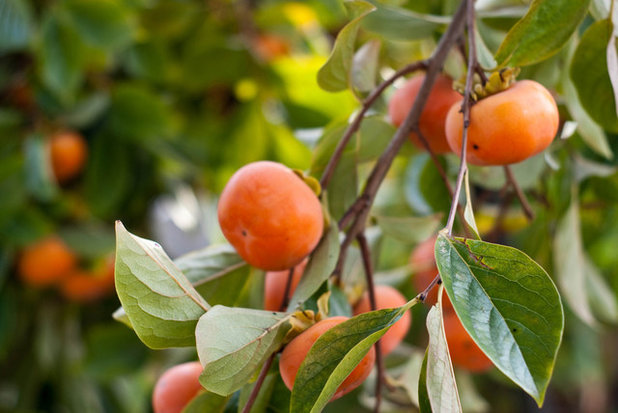
"Other than the smell of a roasting turkey or a quarterback tossing a football, nothing makes me feel better about November than a persimmon tree fully loaded with gleaming orange fruit among foliage turning a matching color," writes garden editor Bill Marken. "This plant says a lot about gardening in California, maybe about California in general. Native to Asia, it's made itself at home. Easy to grow. Quirky—the fruit of the most common species is so astringent you can't eat it until frost or time softens it."
Get his California November checklist

"Fire pits, outdoor fireplaces, and heat lamps are obvious ways to keep warm, extending outdoor living time," writes New Mexico designer David Cristiani. "Another way: use only deciduous trees near south- and west-facing walls to absorb extra sun heat when cool, but filter sun during warmer months. Consider where you wish to dine and when—blocking chilly winds and absorbing sun are paramount for winter al fresco dining."
Get his Southwest November checklist
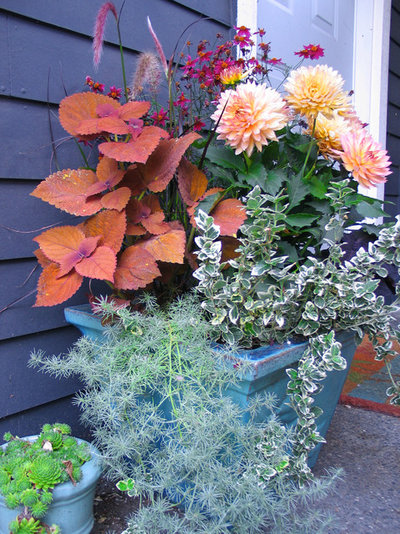
"Winterize potted plants," writes Colorado designer Jocelyn Chilvers. "Empty all containers of annual flowers and veggies. Remove soil, or top 8–10 in from large pots. Spent soil and nondiseased foliage go to compost. I wait until warm spring days to wash pots before replanting. Find a dry, sheltered place to store pots to protect from freeze-thaw cycles—back corner of covered patio, shed, or garage. Large glazed pots can stay outside, turned upside down on scrap 2x4s."
Get her Rocky Mountains November checklist

"Overseed lawn with perennial rye for a green winter lawn—it's not really perennial and dies off when weather warms," writes designer Jenny Peterson. "Winterize lawn by spraying weekly with seaweed solution; if fertilizing, use high-phosphorus lawn fertilizer for healthy roots. Look for N-P-K ratios like 8-6-12, 8-12-16, or 10-5-14 on winter fertilizer packages."
Get her Texas November checklist

"Don't cut down the garden," advises Nebraska consultant Benjamin Vogt. "It's better protected against ice and snow if left standing, provides wildlife cover, and looks stunning in winter. Trust me."
Get his Central Plains November checklist

"Gather mophead hydrangea seed heads for dried arrangements," writes Illinois garden coach Barbara Pintozzi. "Hydrangea macrophylla seed heads are most common; Invincibelle Spirit (H. arborescens 'NHCA1') are also attractive. Sedum (Hylotelephium spp.) seed heads are good too."
Get her Great Lakes November checklist

"Once temperature dips below freezing, annuals are done; hard to pull them up—especially zinnias, which I love," writes Vermont consultant Charlotte Albers. "Save seeds for next season and share with friends."
Get her Northeast November checklist

"If you're getting sunny, warm afternoons but freezing nights, you can still hold onto your flowers," says garden writer Amy Renea. "Snip tops of fall mums and asters, pot them up, bring indoors. You'll get a second flush of blooms in a few weeks and extend autumn a little further."
Get her November Mid-Atlantic checklist

"November is the best time to plant most spring-flowering bulbs," writes North Carolina writer Helen Yoest. "Mix in some lime and a balanced fertilizer like 10-10-10 or a special bulb mixture (9-9-6) at planting time."
Get her Southeast November checklist
Growing Tulips in Your Garden: A Spring‑Time Delight
Vegetable Gardening from Seed to Harvest: A Complete Guide
10 Secrets to a Lush, Abundant Garden
Organize Your Garden Shed in 3 Steps: Big Tools, Small Items & Workflow
Create a Butterfly Garden: Nectar, Host Plants & Pesticide-Free Joy
Growing Herbs in Your Garden: Types, Uses & Cultivation Tips
Enhancing Your Garden with Decor: Structures, Water Features, and Lighting
Smart Watering: When, How, and How Much for a Thriving Garden
Rockwool in Hydroponics: Benefits, Risks, and Best Practices
The Joy of Garden Sheds: From Storage to Obsession
Growing Sunflowers: Tall, Bold, and Beautiful in Your Garden
How to Attract Birds to Your Garden Year-Round
Designing a Patio Garden: Planning for Beauty, Privacy, and Year-Round Enjoyment
Copyright © www.100flowers.win Botanic Garden All Rights Reserved