


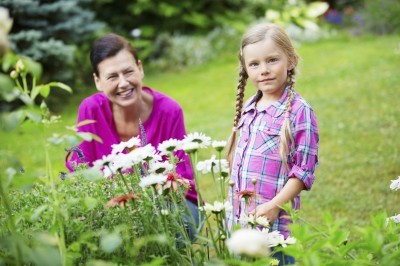
A legacy garden connects generations—learning from the past, growing for the future, living in the present. Any plant can become a legacy plant when planted with intention and story.
Spring planting by one class, summer care by families/volunteers, autumn harvest by the next class. Teaches stewardship, patience, and community. Ideal crops: pumpkins, sunflowers, potatoes, popcorn.
Deeper curriculum: land use, soil/water conservation, crop rotation, IPM, pollinator habitats, irrigation, sustainability. Often community-funded; serve as living laboratories.
Companies convert unused land into shared gardens. Employees and neighbors grow together; surplus feeds food banks. Include workshops, cooking classes, educational programming.
Plant a tree for a milestone: birth, graduation, retirement, memorial. Long-lived, beautiful species: hackberry, European beech, silver maple, flowering dogwood, birch, flowering crabapple. Site at schools, libraries, parks, cemeteries, churches.
Honor a loved one with plants they cherished. May include trees, roses, perennials, walking paths, benches, children’s garden areas. A place for quiet reflection.
A legacy garden is a living letter to the future—rooted in memory, growing in hope.
Container Gardening Basics: Pots, Soil, Plants & Light
Front Garden Design Ideas to Boost Curb Appeal
Smart Design Ideas to Maximize Small Garden Spaces
Gardening 101: Choosing Between Flower, Vegetable, and Fruit Gardens
Designing a Thriving Perennial Garden: Plant Selection and Layout Tips
Designing a Butterfly Garden: Nectar, Sun, and Sanctuary
Designing Your Vegetable Garden Layout: Software, Rows, and Raised Beds
Container Gardening Ideas: Create a Sustainable Garden in Any Space
Create a Garden Hideaway in Three Simple Steps
Islamic Garden Design: The Four-Fold Paradise Garden
Biblical Garden Design: Cultivating Plants from Scripture
Wildlife Weed Garden: Embrace Beneficial Volunteers
Formal Garden Design: Symmetry, Structure & Geometric Order
Monochromatic Garden Design: Create Stunning Single-Color Landscapes
Copyright © www.100flowers.win Botanic Garden All Rights Reserved