


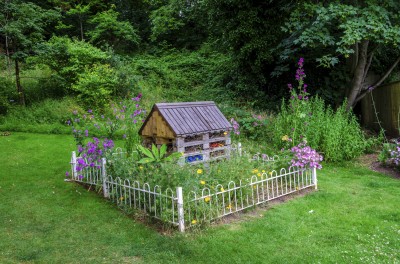
Reframe “weeds” as a wildlife garden. Many so-called weeds are native powerhouses—nectar for pollinators, seeds for birds, host plants for butterflies, edible greens for you. Zero herbicide, low water, high ecological return.
Chickweed, Queen Anne’s lace, yellow dock, lambsquarter, stinging nettle (butterfly host).
Purslane (omega-3s), amaranth, garlic mustard, dandelion (root to flower), sorrel.
You’re not neglecting the garden—you’re stewarding a habitat. Butterflies, bees, goldfinches, and your salad bowl will thank you.
Buddhist Garden Design: Cultivating Peace Through Landscape
Japanese Garden Plants: Create an Authentic Asian-Inspired Landscape
Landscape Features: Paths, Water, Structures, and Focal Points for Garden Design
Designing a Family-Friendly Garden for Young Children
Designing a Wildlife Pond Planting Plan: Seasonal Interest and Ecological Value
Creating Your Wildlife Garden: A Comprehensive Guide to Habitats and Species
Weed Killer for Vegetable Gardens: Preen and the Chemical Dilemma
Container Gardening Basics: Pots, Soil, Plants & Light
Raised Garden Beds: The Smart Start for Healthy Seedlings & Easier Gardening
Smart Design Ideas to Maximize Small Garden Spaces
Effective Animal Repellents for Gardens: A Complete Guide
Gardening 101: Choosing Between Flower, Vegetable, and Fruit Gardens
Plans for Cutting Gardens: Two Designs for Summer-to-Fall Bouquets
Copyright © www.100flowers.win Botanic Garden All Rights Reserved