


Some memories crystallize around a single flavor. For the author, it's wild thimbleberries picked in British Columbia during a 1971 cross-country road trip in a $200 VW van with three friends. Decades later, that memory led her to rediscover Rubus parviflorus—a thornless, shade-tolerant native raspberry relative perfect for permaculture gardens.
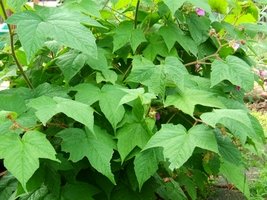
Thimbleberries aren't true berries but aggregate fruits of drupelets. When ripe, they pull cleanly off the core, leaving a hollow, thimble-shaped cavity—hence the name. The plant (Rubus parviflorus) is native to western and northern North America, growing 5–10 feet tall in forest clearings. Its large, soft, maple-shaped leaves are downy; stems are sticky. Unlike other Rubus species, it has no thorns. Flowers are white (2–6 cm), though the cultivar Rubus odoratus bears lavender, hellebore-like blooms.
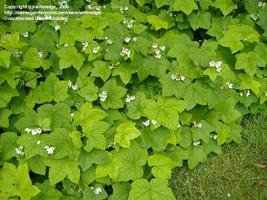
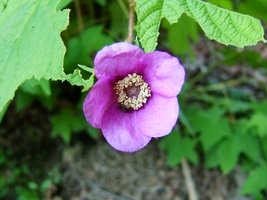
Thimbleberry's superpower: it fruits in shade, making it ideal for understory planting in food forests or permaculture designs. The fruit is too soft for commercial shipping but makes exceptional jam, sold as a local delicacy in places like Michigan's Keweenaw Peninsula.
Combine equal volumes of berries and sugar. Boil 2 minutes. Pack into sterilized jars.
Planted at the deck's edge, the author's thimbleberry provides not just fruit but a living link to a summer of freedom, cheap gas, and friendships—proof that some plants feed the soul as well as the body.
Source: Wikipedia. Photo credit: willmetge (white-flowered thimbleberry).
Can a Dead Nepenthes Come Back? Assessing Revival Chances
Gardening Nostalgia: 1950s Iowa Farm Life and the Hot Box Legacy
Waterproof Cement: Your Home's Best Defense Against Summer Dampness
Natural Ant Control for New Jersey Homes
Shop Patio Furniture Online: Better Selection, Better Prices, Delivered to Your Door
England’s Greatest Landscaper: 10 Garden Ideas to Steal from Capability Brown
Growing Summer Squash: Varieties, Planting, and Harvest Tips
Summer Container Gardening: Grow Food & Flowers in Small Spaces
The Rich History of Bonsai: From Chinese Origins to Global Art
Surviving the Dog Days of Summer: Garden Tasks for August Heat
Summer Wisteria (Millettia): The Heat-Loving Vine with Months of Blooms
Mediterranean Garden Magic in the Pacific Northwest
Copyright © www.100flowers.win Botanic Garden All Rights Reserved