


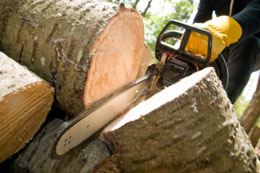
Felling a tree is high-risk work requiring planning, proper gear, and technique. Whether removing a hazardous tree or clearing space, follow this systematic approach to protect yourself, others, and property.
Tap the trunk with an axe at various heights. A sharp crack indicates sound wood; a hollow thud signals decay. Inspect for lean, dead tops, hanging branches ("widow-makers"), and root damage. If the tree is severely decayed, leaning unpredictably, or near power lines—hire a professional.
Choose a natural lean direction clear of targets. Measure tree height; the fall zone should be at least 1.5× the height. Mark the lay with flagging tape.
Using a ladder or climbing gear, prune asymmetrical or dead limbs that could snag or alter the fall. Work from the ground when possible; never cut above shoulder height on a ladder.
Safety is non-negotiable. A properly felled tree protects lives and property; a mistake can be fatal. When in doubt, invest in a certified arborist.
Cherry Tree Pruning in Delaware: Summer After Harvest to Avoid Silver Leaf
Maple Stump Sprouts: Can They Form a New Tree?
Saving an Oak Tree After Surface Root Cutting
Propagating Linden Trees from Cuttings
Renovating an Overgrown Bougainvillea: Hard Pruning a Woody Vine into Shape
Pruning Young Live Oak Trees: Timing and Wound Care
Bonsai Trimming Mastery: Essential Techniques for Living Art
Euphorbia (Not Cactus) Cutting: Non-Woody Sections, Angled Cuts, and Latex Safety
How to Safely Remove a Tree: Methods and Considerations
How to Transplant a Tree Successfully: Prep, Process & Aftercare
How to Cut Down a Tree Safely: Chainsaw Techniques & Safety Gear
Tree Removal Safety: Why Hiring a Professional Arborist Is Essential
Safe and Effective Tree Removal in Arizona: A Homeowner's Guide
How to Grow Cherries: Complete Guide from Planting to Harvest
Copyright © www.100flowers.win Botanic Garden All Rights Reserved