When horizontal space runs out, the only direction is up. Tower gardens — stacked container systems that multiply growing area vertically — turn balconies, patios, and tight corners into productive growing spaces. This DIY approach uses simple materials, requires no engineering degree, and delivers impressive yields of herbs, vegetables, flowers, and even small fruits. Here's how to build, plant, and maintain your own vertical garden tower.
Why Tower Gardens Work
- Space multiplication: 4-6 sq ft footprint → 15-25 sq ft planting area
- Accessibility: No bending, kneeling, or crawling — harvest at waist/chest level
- Microclimate control: Each tier can host different sun/moisture needs
- Pest reduction: Elevated = fewer slugs, cutworms, soil-borne diseases
- Water efficiency: Top-down irrigation; excess feeds lower tiers
- Aesthetic impact: Living sculpture, privacy screen, focal point
Materials: The Pot-and-Brick System
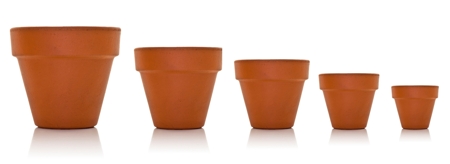
Pots (Nested, Decreasing Size)
- Base pot: 20-24" diameter, 18-24" deep — stability is critical
- Middle pots: 2-4 pots, each 2-4" smaller diameter than below
- Top pot: 8-12" diameter — herbs, strawberries, flowers
- Shape: Tapered (wider at top) nests best; straight-sided works with shims
- Material: Terracotta (breathable, heavy), glazed ceramic (color, retains moisture), fabric (light, air-prunes), plastic (light, cheap)
- Drainage: Every pot needs holes — critical for system health
Structural Support (Inside Base Pot)
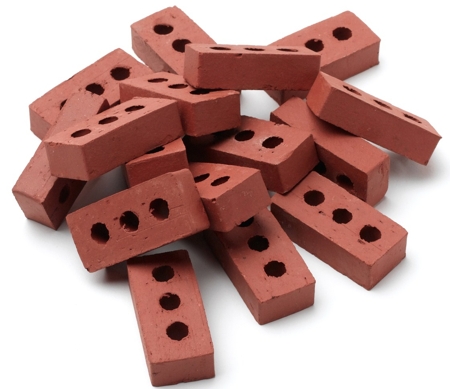
- Bricks: Standard clay bricks — 12-20 for column
- Alternative: Concrete blocks, stone, inverted smaller pot, PVC pipe column
- Height: Build to 2" below base pot rim
- Stability: Mortar not needed — weight locks; but construction adhesive adds security
For Upper Tiers (Smaller Pots)
- Supports: Inverted small pots, coffee cans, PVC couplers, crushed cans (lightweight)
- Principle: Each pot rests on supports, not on soil below
- Soil fill: Around supports in lower pot, then up to next pot's base
Step-by-Step Construction
- Position base pot permanently — filled tower weighs 200-400+ lbs
- Level precisely — use shims; lean = eventual collapse
- Build brick column in center, 2" below rim
- Fill around bricks with moistened potting mix (see media recipe)
- Place next pot on bricks; center carefully
- Add supports in second pot for third; fill soil around
- Repeat for all tiers
- Final soil level: 1-2" below each pot rim
- Water thoroughly to settle — top down until drainage from bottom
Potting Media: The Critical Foundation
Never use garden soil. It compacts, drains poorly, introduces pathogens.
Standard Tower Mix (Volume)
- 40% high-quality peat-based potting mix
- 30% coarse perlite or pumice
- 20% compost (sifted) or worm castings
- 10% fine pine bark or coconut coir
- + Slow-release fertilizer (Osmocote 14-14-14 per label)
- + Mycorrhizal inoculant (optional but beneficial)
Specialized Mixes by Tier
- Bottom (deep roots): Standard + 10% extra compost
- Middle (vegetables): Standard + calcium source (gypsum) for tomatoes/peppers
- Top (herbs/succulents): 50% perlite/pumice, 30% potting mix, 20% sand — sharp drainage
Planting Strategy: Right Plant, Right Tier
Bottom Tier (Deepest Soil, Most Stable)
- Deep-rooted vegetables: Tomatoes (determinate/bush), peppers, eggplant, kale, chard
- Root crops: Carrots (short varieties), beets, radishes, turnips
- Perennials: Strawberries (everbearing), raspberries (dwarf)
Middle Tiers (Moderate Depth)
- Bush beans, peas (trellis on tower frame)
- Leafy greens: Lettuce, spinach, arugula, mustard, bok choy
- Herbs: Basil, parsley, cilantro, dill, chives
- Flowers: Marigold, nasturtium, calendula, petunia
Top Tier (Shallowest, Most Sun, Most Wind)
- Mediterranean herbs: Rosemary, thyme, oregano, sage, lavender
- Succulents: Sedum, sempervivum, echeveria
- Trailing: Strawberries, thyme, lobelia, million bells
- Compact flowers: Alyssum, violas, dwarf zinnias
Companion Planting in Towers
- Basil + tomatoes (bottom + middle)
- Nasturtium + cucumbers (aphid trap crop)
- Marigold throughout (nematode suppression)
- Chives + roses (if dwarf rose in base)
- Avoid: Fennel (allelopathic), mint (invasive — pot separately)
Irrigation: The Lifeline
Hand Watering (Simplest)
- Water top tier slowly until drainage from bottom
- Frequency: Daily in heat; check 2" deep — should be moist, not soggy
- Tool: Long-spout watering can or wand
Drip Irrigation (Recommended)
- 1/4" tubing spiraled in each pot, connected to main line
- Timer: 5-10 min, 2-3x daily in heat
- Pressure regulator (15-20 psi) + filter essential
- Emitter stakes in each pot for even distribution
Self-Watering Adaptation
- Reservoir in base pot (5-gal bucket with float valve)
- Wicking: polyester rope from reservoir up through brick column
- Reduces watering frequency but monitor — salt buildup risk
Maintenance Calendar
| Task | Frequency | Details |
|---|
| Water check | Daily | Finger test 2" deep; adjust for weather |
| Fertilize (liquid) | Weekly | Fish/kelp 1/2 strength; skip if slow-release active |
| Harvest | Daily/as ready | Promotes production; prevents overcrowding |
| Prune/Pinch | Weekly | Remove yellow leaves; pinch herbs for bushiness |
| Pest scout | Weekly | Undersides of leaves; early intervention |
| Rotate crops | Seasonally | Replace spent with season-appropriate |
| Media refresh | Annually | Top 6" replaced; full refresh every 2-3 yrs |
Troubleshooting Common Issues
- Leaning tower: Soil settlement → rebuild on level base; add cross-bracing
- Dry top/wet bottom: Adjust irrigation; add more perlite to top mix
- Root binding: Annual root prune or upsize pots
- Nutrient deficiency: Yellowing → liquid feed; purple → phosphorus (cold soil)
- Wind damage: Stake tall plants; windbreak screen; heavier base pot
- Salt crust: White residue → flush with 3x pot volume water
Advanced Variations
- PVC Pipe Tower: 4-6" PVC with drilled holes, mounted vertically — hydroponic or soil
- Pallet Garden: Landscape fabric + soil in pallet cavities — free materials
- Gutter System: Rain gutters on fence rails — shallow, great for greens
- Hydroponic Tower: Nutrient film technique (NFT) or aeroponic — higher yield, more technical
- Indoor Grow Tower: LED lights, climate control — year-round production
A tower garden transforms the constraint of limited space into a design opportunity. In the footprint of a single large pot, you create a stratified ecosystem — tomatoes rooting deep, basil perfuming the middle, thyme cascading from the crown. It's intensive gardening at its most elegant: high yield, low strain, visible beauty. Start with three pots and a weekend. The only way to go is up.


