


 Deceiving Leaves!The appearance of curled and dried leaves does not always point out towards a bug infestation. On an average, lime trees require multiple gallons of water every day, and any shortage in its supply might cause the leaves to curl up and dry, which is similar to what happens during an aphid infestation.Plants belonging to the citrus family, including the lime tree, are best suited for growing in tropical and subtropical areas. If possible, such trees should be planted in places that receive optimum southern sunlight, preferably in the regions where the temperature ranges between 65 - 75°F. Another important growing criteria for these plants is proper soil drainage. Lime trees cannot tolerate prolonged waterlogged conditions and air pockets in the soil.Lime plants are heavy feeders, and hence, regular supplementation of the soil with nitrogen fertilizers and farmyard compost is recommended. Even though these plants cannot tolerate water retention in soil, frequent watering is necessary for better growth. In case of any imbalance in the requirements like environmental conditions or plant nutrients, disease infestations may be observed in leaves, stems, and fruits.Similar to other garden plants, the lime tree is susceptible to certain pests and diseases. If these ailments are not controlled at the right time, the production of lime may get reduced to a certain extent. Regarding commercial plantation of these trees, the diseases may also spread from one plant to another, thus, affecting the total fruit yield. Hence, initial control measures should always be taken in order to tackle such problems.Lime Tree ProblemsLime trees are one of the most susceptible plants, regarding any disease or problem that might affect these species. Such problems often cause extensive damage to various parts of the plant like leaves, roots, stems, fruits, etc.Trunk/Stem Problems
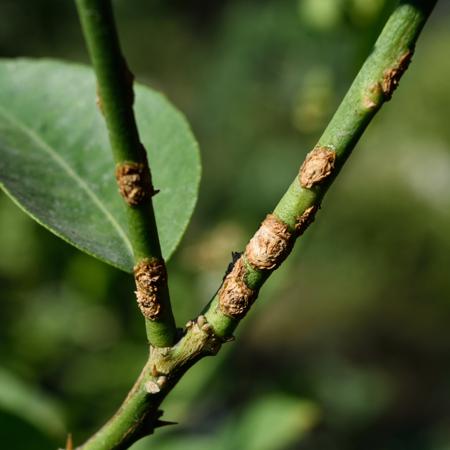 Rotting is the biggest issue involving the trunk parts of the tree, and this may cause decay and decomposition of the stem at various parts. This includes the disease called foot rotting, wherein the lower stem parts start to rot. Also, the tree resin starts to leak out from the subsequent cracks and fissures in the bark. This condition is known as gummosis, wherein the chance of fruits getting spoiled is very less. On the contrary, defoliation or loss of foliage and leaves is quite high. The best way to prevent the occurrence of these ailments is to cut down and remove the diseased parts, and possibly prune all the trees to a single level.Problems of Leaves
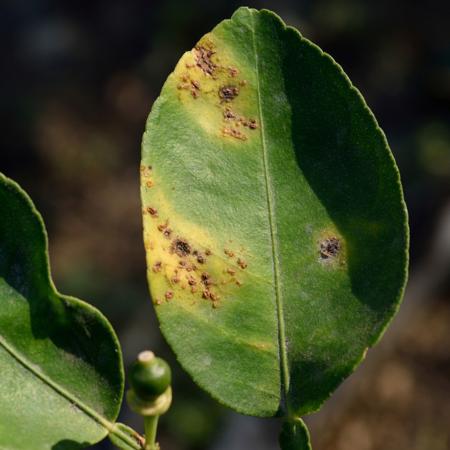 These portions are the most affected ones in case of insect and aphid infestation on lime trees. Mainly, curling up of leaves is seen along with the development of gray-colored spots on the leaf surface. Other insects cause a variety of ailments, which lead to the development of shiny patches having a greasy appearance. Black fungus or mold may develop due to the black fly species, which infest the leaves on the underside, laying numerous eggs along the veins. All these organisms can cause the respective diseases throughout the year, but the severity of infections might increase in the summer season.Problems of Fruits
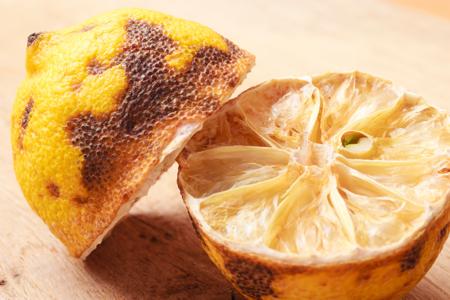 The fruits of the lime tree are affected by insects, as well as due to drastic changes in weather and climate. An infestation by rust mites leads to the formation of fruits having a rust-colored interior portion without hampering the actual fruit flesh. Another example of an insect affecting fruits is the mealybug, which forms small white-colored colonies on the fruit stem, and may cause extensive damage to the crops if not controlled in time. In case of weather and climate, if heavy rains are accompanied by a prolonged dry period, the lime tree fruits might start undergoing dehydration, and hence, dropping of fruit to the ground, cracking of the exterior surface, shrinking of the size, etc., are the symptoms noticed. Similarly, very less rainfall and an accompanying drought season severely affect the development of fruits of this tree species.Problems of SoilLime trees are accustomed to warm climatic temperatures, and hence, they grow best if planted in temperate region soils. They do not grow well in cold areas, and hence, are not generally seen in mountainous regions. These trees require a lot of sun and thrive well in properly aerated soil types along with a high percentage of sand and silt particles. In soils having a lot of clay content, like in marshes or swamp regions, the growth of these plants may be stunted due to lack of proper nutrition from soil and absence of numerous air spaces between the soil particles.Major Diseases of the Lime TreeScab DiseaseIt is caused by the fungus Elsinoë fawcettii, and it usually affects leaves and fruits. The leaf areas are discolored, and raised from the surrounding surfaces. In case of severe infestations, falling of leaves might occur. In case of fruits, the affected areas become light-colored and raised.
 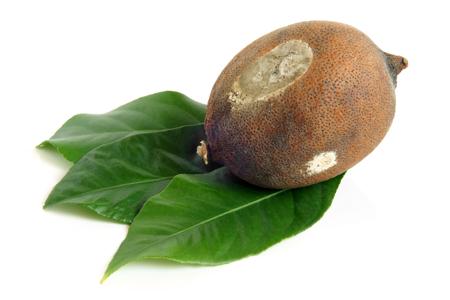 It is caused due to pest infestations, especially because of the citrus whitefly. This pest secretes fluids that attract molds, which in turn causes black color discoloration on the affected leaves and fruits. It appears in the form of a black mark on the leaves and fruits of the tree. It has an extreme effect on the color and taste of the fruit, as well as the process of photosynthesis undertaken by the tree.
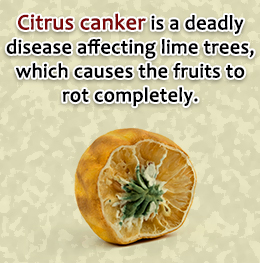
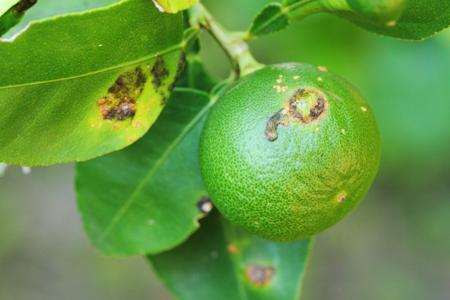 It is caused due to infection by Xanthomonas axonopodis and Phyllocnistis citrella. The latter is also known as leaf miner, as it makes rapid holes in the leaves of such trees. Citrus canker is considered as one of the most devastating diseases that affects the leaves, stem, twigs, and fruits of the lime tree. Affected leaves and fruits develop lesions, and fall prematurely. Sometimes, the fruits might develop cracks, accompanied by being permanently rotten and damaged.
Copyright © www.100flowers.win Botanic Garden All Rights Reserved