


Strolling down the aisles of any garden center, you'll encounter shelves packed with chemical pesticides promising to eliminate every imaginable pest. These products can cost hundreds of dollars each season, but there's a better way. By embracing organic gardening, you're choosing to work with nature rather than against it—using natural ingredients and ecological principles to maintain a healthy, pest-resistant garden.
The real question becomes: which natural methods actually work? Let's explore proven strategies for effective pest control in your organic garden.
The strongest defense against garden pests starts with building healthy soil and vigorous plants. Beyond that, simple protective measures include physical barriers you can safely use to deter pests, along with strategic plant selections that either repel harmful insects or attract beneficial predators.
Crop rotation is essential—avoid planting the same family of vegetables in the same location year after year. Kick off your organic garden by incorporating generous amounts of compost to enrich the soil; there's virtually no such thing as too much compost.
If you opt for hybrid seeds over heirloom varieties, select cultivars bred for pest and disease resistance. Each year brings new vegetable varieties developed specifically to withstand common garden threats.
Remove any plant showing signs of disease or poor vigor immediately. A struggling plant acts as a beacon for pests and won't produce well anyway, so you're not sacrificing harvest potential by pulling it.
Fine mesh netting from your garden center serves as an excellent first line of defense. Draped over plants, it prevents flying insects, mice, and other critters from reaching your crops. Netting works particularly well for brassicas like cabbage, lettuce, and other leafy greens.
Protect tender seedlings from cutworms and slugs using recycled plastic bottles. Simply cut the top and bottom off a single-serve or 2-liter bottle and place the resulting cylinder around each young plant.
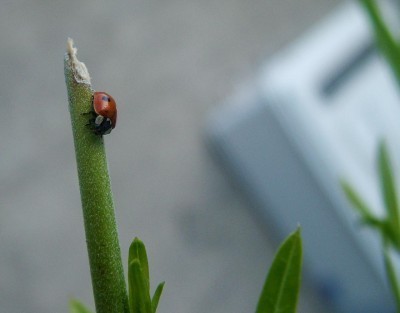
Companion planting offers another powerful organic strategy. Interplanting annuals such as marigolds and California poppies among your vegetables attracts beneficial insects like ladybugs, which prey on aphids and other pests. Certain plants, including wormwood, emit odors that naturally repel many unwanted insects.
Many organic gardeners scatter hot peppers like chili varieties throughout their beds. The capsaicin in these plants deters numerous insects from feeding on neighboring crops. Homemade hot pepper sprays applied directly to vegetables provide similar protection. However, avoid planting hot peppers near melons, as they may absorb the pepper's flavor.
For aphid infestations, a simple spray of water mixed with bleach-free dish soap can be remarkably effective. Lightly coat the leaves to dispatch these tiny pests without harming your plants.
While reaching for a commercial pesticide bottle might seem easier, the reward of harvesting truly fresh, chemical-free vegetables makes the extra effort worthwhile. There's nothing quite like plucking a sun-warmed tomato straight from the vine and eating it on the spot—knowing it's completely safe and grown in harmony with nature.
Organic Control of Squash Bugs on Pumpkins and Squash
Organic Pest Management for Certified Produce: Non-Chemical Strategies
Organic Pest & Disease Control: Work With Nature for a Healthier Garden
Natural Pest Control in the Organic Garden: Working With Nature, Not Against It
Organic Garden Essentials: Fertilization, Weed & Pest Control
Comprehensive Guide to Common Garden Pest Control
How to Grow an Organic Garden: From Soil Building to Harvest
Organic Insect Control for Farms: Consult State Agriculture Department
Profitable Organic Gardening: Growing Health, Wealth, and Sustainability
Organic Pest Control: Observe First, Spray Last
Planning Your Organic Garden: A Complete Step-by-Step Design Guide
Building Healthy Organic Garden Soil Naturally
Copyright © www.100flowers.win Botanic Garden All Rights Reserved