


| Family: | Bignoniaceae (big-no-nih-AY-see-ee) (Info) |
| Genus: | Kigelia (ky-GEL-ee-uh) (Info) |
| Species: | africana (af-ri-KAHN-uh) (Info) |
| Synonym: | Bignonia africana |
| Synonym: | Kigelia abyssinica |
| Synonym: | Kigelia pinnata |
| Synonym: | Tanaecium pinnatum |
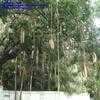
The Sausage Tree (Kigelia africana) is one of tropical Africa's most extraordinary and recognizable trees. Widespread across sub-Saharan savannas and riverbanks, it is famed for its massive, woody, sausage-shaped fruits that dangle from long, rope-like pedicels—a surreal sight that inspires both wonder and caution.
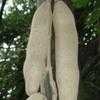
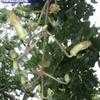
The fruit is a woody, indehiscent berry, typically 1–2 feet long (up to 3 ft) and 4–8 inches in diameter, weighing 10–25+ lbs. Grey-brown and smooth, they hang in clusters on pedicels up to 15 feet long. The fruit is inedible raw (toxic, purgative) but is used in traditional medicine (skin conditions, rheumatism) and fermented into beverages. Falling fruits are a genuine hazard—capable of serious injury or damaging vehicles—so planting away from paths and parking is essential.
Before the fruit comes the flower: large, fleshy, maroon-to-dark-red, trumpet-shaped blooms (up to 6 in wide) borne in panicles on the old wood. They open at night, emitting a strong, musky, somewhat unpleasant scent that attracts their primary pollinators: bats (especially fruit bats) and hawk moths. The flowers are rich in nectar, also drawing birds and insects by day. The bloom period can be protracted.
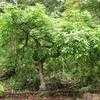
A semi-deciduous to evergreen tree, 30–50+ feet tall with a spreading, rounded crown and smooth, gray-brown bark. Leaves are pinnately compound, glossy green. It thrives in hot, seasonally dry tropics (USDA Zones 10–12), preferring full sun and well-drained soil. Drought-tolerant once established. In its native range, it is a keystone species: flowers feed bats/birds; fruits feed elephants, giraffes, hippos, baboons, and porcupines (who disperse seeds). The wood is used for dugout canoes, mortars, and boxes.
In frost-free climates (S. Florida, Hawaii, tropics), it makes a dramatic, conversation-piece specimen for large spaces. Its bizarre fruit and bat-pollinated flowers offer unparalleled botanical intrigue. Requires ample room for its pendulous fruit display and root spread.
Monkey Hand Tree (Chiranthodendron pentadactylon): The Devil's Hand
Fern Tree (Filicium decipiens): Graceful Shade for Tropics
Tamarind Tree: Tropical Pantry Staple & Majestic Shade Tree
Elephant Tree: The Bizarre, Bottle-Trunked Bursera of Deserts
Silver Tree: The Shimmering Protea of South Africa
Neem Tree (Azadirachta indica): Miracle Tree of the Tropics
Orchid Tree (Bauhinia monandra): Butterfly Leaves and Pink Flowers
Giant Tree Aloe (Aloe barberae): Majestic African Tree Aloe
Joshua Tree (Yucca brevifolia): Mojave Desert Icon
Ball Cactus (Parodia magnifica): A Handsome Globe with Silky Yellow Spines and Crown of Flowers
Sausage Tree: Africa's Bizarre & Beautiful Kigelia
Illawarra Flame Tree (Brachychiton acerifolius): Spectacular Red Blooms
Norfolk Island Tree Fern (Cyathea brownii): Tallest Tree Fern with Smooth Trunk
Copyright © www.100flowers.win Botanic Garden All Rights Reserved