


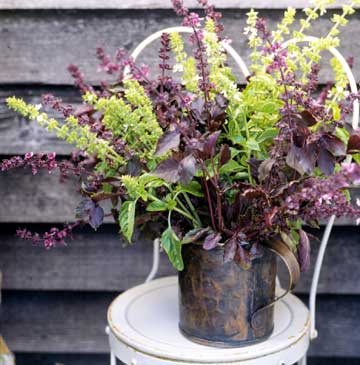
Don’t relegate basil to the vegetable patch—its spiky blossoms add aroma and visual flair to arrangements. Snip flowers just as they open to keep the plant producing leaves. Mix purple and green basil varieties for striking contrast. Use leaves in Italian dishes, sandwiches, and salads; sprinkle blossoms over soups, pasta, or fresh greens.
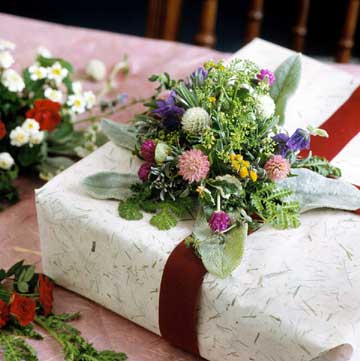
A classic posy combines lamb’s‑ears, tansy, rosemary, lavender, globe amaranth, and statice secured in floral foam. This fragrant bundle makes a charming addition to a wrapped present or a hostess gift.
For Thanksgiving, arrange cut herbs—sage, chives, garlic chive blossoms, purple basil, dill—in low jars of water to stay fresh. Alternatively, mix cut and potted herbs in a basket for a living centerpiece that guests can snip from.
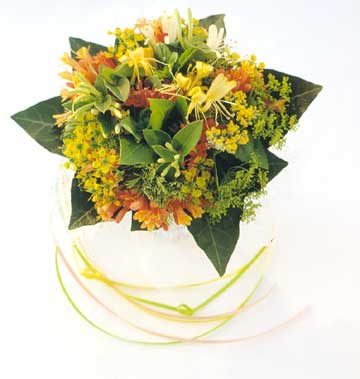
Revive the Victorian tradition of tussie‑mussies—small nosegays that convey messages through herb symbolism. Lemon balm means sympathy; mint, wisdom; parsley, festivity; rosemary, remembrance; sage, esteem and long life. Gather a small bunch of fresh or dried herbs, tie stems with ribbon or raffia, or set them in a water‑holding floral foam block. For a package decoration, use a half‑sphere foam holder with an adhesive base (available at craft stores).
Herbs transition seamlessly from decorative bouquet to kitchen staple. Their colors, textures, and forms enhance flower arrangements or stand alone as aromatic bunches. After serving as a bouquet, most herbs air‑dry well—simply leave them in the vase without water. The dried leaves remain perfectly usable in cooking.
Herb Container Gardening: Complete Guide for Small Spaces
Start an Herb Garden: Simple, Rewarding, and Delicious
Grow a Kitchen Herb Garden Indoors: Fresh Flavor on Your Counter
Herb Gardening 101: Design, Plant, and Harvest Your Own Culinary and Medicinal Garden
Herb Gardening: Easy, Rewarding, and Delicious
Harvesting and Preserving Herbs from Your Home Garden
Tips for a Thriving Indoor Kitchen Herb Garden
Container Herb Gardening: Fresh Flavors at Your Fingertips
Windowsill Herb Garden: Year-Round Fresh Herbs Indoors
The Herb Garden: Growing Herbs for Wildlife, Kitchen, and Wellbeing
Copyright © www.100flowers.win Botanic Garden All Rights Reserved