


Drying flowers lets you capture a moment—a wedding bouquet, a garden peak, a gift—and keep it for years. The method you choose depends on the flower type, desired look, and time. Here are the four most effective techniques, from simplest to most advanced.
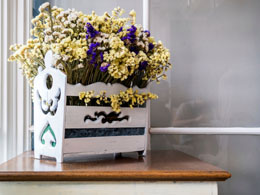
Best for: Roses, hydrangeas, lavender, statice, strawflower, yarrow, grasses, seed pods.
Pros: Free, simple, retains 3D shape. Cons: Colors fade/darken; some flowers shatter.
Best for: Pansies, violas, cosmos, daisies, ferns, leaves, single-petal flowers. Not for: Thick, fleshy flowers (roses, lilies, peonies).
Pros: Perfect for framed art, cards, scrapbooking. Cons: Flattens 3D form; colors may fade.
Best for: Roses, peonies, dahlias, zinnias, delphiniums, any flower where color/shape matter.
Pros: Best color retention; maintains 3D form. Cons: Cost of gel; learning curve.
Best for: Small batches; when you need dried flowers today.
Pros: Minutes not weeks. Cons: Easy to scorch; uneven drying; trial and error.
| Flower Type | Best Method(s) |
|---|---|
| Roses, Peonies, Dahlias | Silica Gel > Microwave > Air Dry (petals may shatter) |
| Hydrangeas, Lavender, Grasses | Air Dry (excellent) |
| Pansies, Violas, Daisies | Pressing > Silica Gel |
| Delphinium, Larkspur | Silica Gel > Air Dry (hang individually) |
| Baby's Breath, Statice | Air Dry (superb) |
Whether you're preserving a bride's bouquet or your garden's July glory, there's a drying method to fit your flowers, time, and budget. Experiment—each batch teaches you more.
Drying Orchid Flowers from a Wedding Bouquet
When Will My African Violet Bloom Again After Flowers Die?
Maintaining Columbine Flowers for Season-Long Beauty
How to Grow Zinnias: Vibrant Cut Flowers All Summer Long
How to Dry Roses: Two Easy Methods for Long-Lasting Beauty
Cathedral Bells (Cobaea scandens): Growing Guide for Bell-Shaped Climbing Flowers
How to Grow Love-in-a-Mist (Nigella): Charming Cottage-Garden Self-Sowers
How to Grow Portulaca (Moss Rose): Succulent Groundcover for Sun and Neglect
How to Grow Zinnias: Easy, Colorful, and Perfect for Cutting
How to Grow Gayfeather (Liatris): Butterfly-Magnet Spikes for Dry, Sunny Sites
How to Grow Johnny Jump-Ups (Viola): Edible, Fragrant, Self-Sowing Charmers
Copyright © www.100flowers.win Botanic Garden All Rights Reserved