


Cranberries—small fruits related to bilberries and blueberries—grow on climbing vines in temperate regions. When consumed whole or as unsweetened juice, they offer remarkable therapeutic benefits thanks to three key compounds: proanthocyanidins, non-dialyzable material (NDM), and antioxidants.
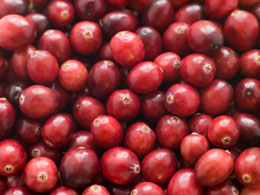
Proanthocyanidins prevent bacteria—especially E. coli—from adhering to urinary tract walls by altering bacterial shape. This blocks infection in the bladder, urinary tract, and even the uterus. Research shows similar anti-adhesion effects against bacteria on teeth and stomach lining.
Antioxidant phenols and flavonoids protect against atherosclerosis and cardiovascular disease. Cranberries prevent blood clotting, reducing heart attack risk. Their nutrient profile rivals spinach, grapes, and green vegetables.
Proanthocyanidins demonstrate anti-carcinogenic properties, inhibiting tumor growth in stomach, lymph, and lung tissue.
Cranberries combat viruses including herpes simplex-2, which causes ulcers, brain inflammation, and genital sores.
Disclaimer: This article is for informational purposes only and does not replace professional medical advice.
Mold Removal Health Benefits: Why Professional Remediation Matters
Asparagus Health Benefits: Why This Spring Vegetable Is Good for You
Leafy Greens: Health Benefits, Varieties, and Why Bitter Is Better
Broccoli Health Benefits: Why This Cruciferous Vegetable Deserves a Second Chance
Beet Health Benefits: Lower Blood Pressure, Boost Brain Blood Flow, and More
Dandelion Health Benefits: Nutrition, Medicine, and Recipes
Carrots: Health Benefits, Storage Tips, and Colorful Varieties
The Healing Power of Gardens: Health Benefits and Creative Styles for Any Space
Health Benefits of Gardening: Science-Backed Reasons to Dig In
Pau d'Arco: Ancient Rainforest Remedy with Modern Health Potential
Barberry: The Vitamin C-Rich Berry with Powerful Antimicrobial & Metabolic Benefits
Fo-Ti Root: The Ancient Chinese Longevity Tonic for Hair, Vitality & Hormonal Balance
Top 5 Health Benefits of Organic Gardening
Making the Most of a Small Garden: Design, Planting, and Food Growing
Copyright © www.100flowers.win Botanic Garden All Rights Reserved