


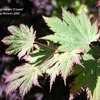
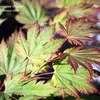
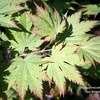
Among the full moon maples (Acer japonicum), 'O Isami' (also spelled 'Oh Isami' or 'Oisami') stands out for its large, deeply lobed leaves that emerge bright green in spring, mature to a rich mid-green, and transform into a spectacular blaze of orange, crimson, and gold in autumn. This cultivar brings the refined elegance of Japanese maples to gardens with slightly more sun tolerance than many palmatum varieties.
Superb as a specimen tree in a woodland garden, Asian-themed border, or near a water feature where its reflection doubles the autumn show. Its larger leaves give a bolder texture than most Japanese maples. Pair with ferns, hostas, hakonechloa, and rhododendrons.
Japanese Maple 'Butterfly': Variegated Foliage Resembling Fluttering Wings
Japanese Maple 'Shishigashira': The Lion's Head with Curled, Crinkled Foliage
Fernleaf Full Moon Maple 'Aconitifolium' (Acer japonicum): Dancing Peacock with Deeply Cut Leaves
Japanese Maple 'Nicholsonii': Deeply Cut Purple-Red, Also Atrodissectum
Japanese Maple 'Nuresagi': Wet Heron with Dark Purple-Red Foliage
Japanese Maple 'Okushimo': Upright Green with Crinkled Leaves, Also Crispum
Japanese Maple 'Seicha': Green Tea Variegation, Also Aocha Nishiki
Japanese Maple 'Shindeshojo': Brilliant Spring Scarlet, Also Shin deshojo
Japanese Maple 'Matsuyoi': Evening Twilight with Variegated Foliage
Full Moon Maple 'Oregon Farm' (Acer shirasawanum): Green Leaves, Vigorous
Japanese Maple 'Trompenburg': Upright Red with Rolled Leaf Margins
Japanese Maple 'Kasagiyama': Kasagi Mountain with Variegated Foliage
Copyright © www.100flowers.win Botanic Garden All Rights Reserved