


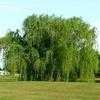
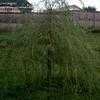
Wisconsin weeping willow is a hybrid willow (Salix × pendulina) selected for its strongly weeping habit and adaptability to the Upper Midwest. It is a classic waterside tree.
| Family: | Salicaceae |
| Genus: | Salix |
| Species: | × pendulina |
| Synonyms: | Salix babylonica, Salix × blanda, Salix elegantissima, Salix pendulina var. blanda, Salix pendulina var. elegantissima |
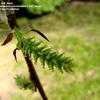
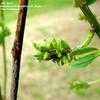
This fast-growing deciduous tree reaches 30–40 feet tall with a broad, weeping crown of long, pendulous branches. Leaves are narrow, lanceolate, green above, glaucous below. Catkins appear in early spring.
Plant in full sun near water; tolerates wet soils and flooding. It has aggressive roots—keep away from septic systems and foundations. Short-lived (20–30 years). Use for erosion control on stream banks or as a specimen near ponds.
Prune in late winter to remove dead wood and shape.
Weeping Willow Decline: Roundup Drift vs. Borer Damage
Weeping Willow Borer Infestation: Identification and Treatment
Weeping Willow Placement Near Pond and Septic: Safe Distances
Weeping Willow Near House & Drain: Root Concerns & Growth Regulators
Weeping Willow Tree: Overview, History, and Care
Trees Similar to Weeping Willow for Smaller Landscapes
Characteristics of Weeping Willow Trees: Foliage, Flowers, Bark, and Growth
About Weeping Willow Trees: Facts, Features, and Problems
Types of Weeping Willow Trees: Cultivar Guide
Curly Willow (Corkscrew Willow): Unique Form for Year-Round Interest
Chinese Weeping Willow: History, Medicinal Uses, and Landscape Value
Dwarf Weeping Willow (Kilmarnock): Perfect for Small Gardens
How to Plant and Establish a Weeping Willow Tree Successfully
Copyright © www.100flowers.win Botanic Garden All Rights Reserved