


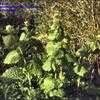
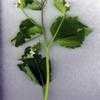
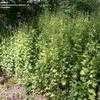
Garlic mustard (Alliaria petiolata), also called hedge garlic or Jack-by-the-hedge, is a biennial herb in the mustard family (Brassicaceae). Native to Europe and Asia, it has become a notorious invasive species in North American woodlands, outcompeting native flora. However, its entire plant is edible and was historically used as a potherb.
| Family: | Brassicaceae (brass-ih-KAY-see-ee) |
| Genus: | Alliaria (al-ee-AR-ee-uh) |
| Species: | petiolata (pet-ee-oh-LAH-tuh) |
| Synonym: | Alliaria officinalis |
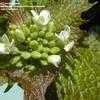
First-year plants form a basal rosette of kidney-shaped, scalloped leaves with a garlic aroma when crushed. In the second year, a flowering stalk rises 1–3 feet, bearing small white four-petaled flowers followed by slender seed pods (siliques). Seeds remain viable in soil for up to 10 years.
While foragers appreciate its flavor, land managers urge removal to protect native ecosystems. Always harvest from unsprayed areas and confirm identification.
Choosing the Right Hedge Trimmer: Electric, Cordless, or Gas?
How to Choose Hedge Trimmers: Types, Blades & Shafts Explained
A Hedge for the Children: A Neighborhood Story
Rosa 'The McCartney Rose' – Tribute Hybrid Tea
Ketchup & Mustard Floribunda Rose: A Colorful Bi-Color Sensation
Hosta 'Dancing in The Rain': Variegated Hosta with Rippled Margins
Annual Bastard Cabbage / Turnipweed (Rapistrum rugosum): Invasive Mustard with Yellow Flowers
Daylily 'America The Beautiful'
Daylily 'Casting The Runes': A 1994 Hanson Hybrid
Daylily 'Capture The Magic': A 1996 Salter Hybrid
Tropical Hibiscus 'The Pearl': Hutto's 2002 Treasure
Showy Stonecrop 'Black Jack' (Sedum 'Black Jack'): A Dark-Foliaged Perennial
Hedge Bamboo 'Alphonse Karr' (Bambusa multiplex 'Alphonse Karr')
Copyright © www.100flowers.win Botanic Garden All Rights Reserved