


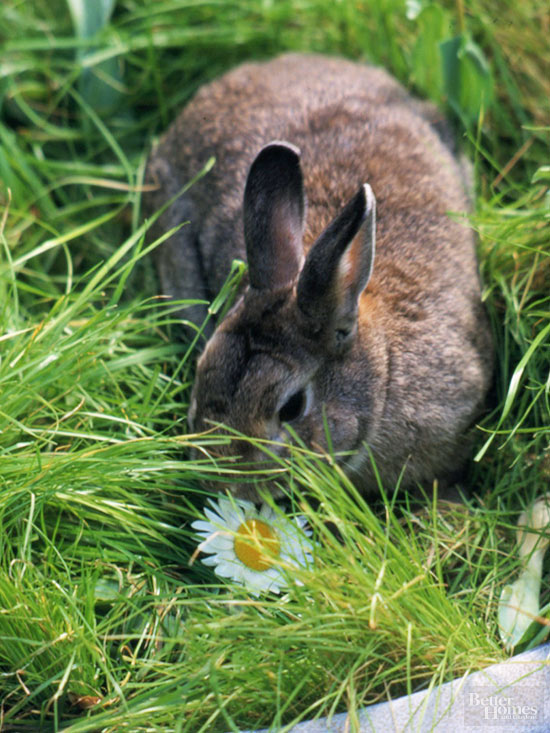
The best defense: a 3-foot-tall chicken-wire fence (1-inch mesh or smaller) with 6 inches buried. Or try odor repellents like blood meal or powdered fox urine (garden center). Reapply frequently. Spray-on taste repellents (hot pepper spray) work but must be on plants and reapplied periodically.
Use row covers over beds while plants are small, removing once growth is established. Rabbits prefer tender young growth—cover for a few weeks in spring, then switch to odor/taste repellent. They may lose interest.
Acclimating a Nepenthes from "Death Cube" to Open Air
Safely Moving Outdoor Plants into a Clean Indoor Grow Room
Keep Your Garden Disease-Free: Prevention, Monitoring, and Organic Controls
How to Propagate Plants from Softwood Cuttings: A Complete Guide
How to Plant Cuttings: Propagate Your Garden for Free
Deer: Identification, Control & Prevention in the Garden
Best References for Rooting Plant Cuttings: Expert-Recommended Books
Protecting Sunflower Seedlings from Slugs: Grow Larger Transplants and Use Iron Phosphate
Hydroponic vs. Traditional Gardening: Key Differences Explained
Indoor Gardening Benefits: Green Your Home, Clean Your Air, Boost Your Mood
How to Winterize Your Outdoor Fountain: Prevent Freeze Damage
How to Keep Rabbits Out of Your Garden: 6 Proven Methods
Pet-Safe Houseplants: How to Protect Cats & Dogs from Toxic Greenery
Copyright © www.100flowers.win Botanic Garden All Rights Reserved